

Support More Payment Methods
We have VTB account
Can receive the payment from Russia
Last updated on June 26, 2024
This Privacy Policy describes the policies of Unilong Industry Co.,Ltd., Chemical Industrial Park of Shandong Province. email: info@unilongindustry.com, phone: +86 18653132120 on the collection, use and disclosure of your information that we collect when you use our website ( http://ru.unilongindustry.com/ ). (the “Service”). By accessing or using the Service, you are consenting to the collection, use and disclosure of your information in accordance with this Privacy Policy. If you do not consent to the same, please do not access or use the Service.
We may modify this Privacy Policy at any time without any prior notice to you and will post the revised Privacy Policy on the Service. The revised Policy will be effective 180 days from when the revised Policy is posted in the Service and your continued access or use of the Service after such time will constitute your acceptance of the revised Privacy Policy. We therefore recommend that you periodically review this page.
We use your personal information to provide you with the services you request, to communicate with you, to resolve issues, to customize your experience, to inform you about our services and Website updates and to measure interest in our Website and Services.
Like many websites, we use “cookies” to enhance your experience and collect information about visitors and visits to our website. Please see the “Do We Use ‘Cookies’?” section below for information about cookies and how we use them.
We will not sell or rent your personal information to third parties for their marketing purposes without your explicit consent. We may disclose personal information to respond to legal requirements, enforce our policies, respond to claims that a posting or other content violates the rights of others, or to protect the rights, property, or safety of anyone. Such information will be disclosed in accordance with applicable laws and regulations. We may also share personal information with service providers who help us conduct our business and with members of our corporate family who may provide joint content and services and help detect and prevent potentially illegal activities. If we plan to merge or be acquired by another business entity, we may share personal information with the other business entity and require the new combined entity to comply with the provisions of this Privacy Policy with respect to your personal information.
If you upload images to the website, Visitors to the website can download and extract any location data from images on the website.
You can access or update the personal information you have provided to us at any time by contacting us at info@unilongindustry.com.
We consider information an asset that must be protected and use a number of tools to protect your personal information from unauthorized access and disclosure. However, as you may be aware, third parties may be able to unlawfully intercept or access transmissions or private communications. Therefore, while we work very hard to protect your privacy, we do not promise, and you should not expect, that your personal information or private communications will always remain private.
We Support “Sample Delivery Door To Door Service”
We Support “Return Sample Fee If Quality Is Not Ok”

The key to safety production is to enhance people’s safety awareness. The key is to always adhere to the people-oriented ideology, start from establishing the dominant position of consciousness, emphasize that safety is the responsibility of managers, improve the quality of employees’ injuries at multiple levels, and build a solid safety wall. Guide employees to consciously and actively participate, and create a bottom-up, proactive and spontaneous “I want to be safe” good atmosphere.
Advocating energy conservation, water conservation, and energy consumption reduction in daily life, we have collaborated with workshop unions to organize employees to seriously learn energy-saving knowledge and requirements, take the lead in sharing energy-saving experiences, and have deeply rooted in people’s hearts. We have improved the online detection system for characteristic pollutants at the factory boundary, achieving standard emissions and ecological development.
In whole world, almost all industrial line material stock is very tight and price is increasing sharply. So under this situation, one stable supply system is more and more important . Unilong is always pay attention to supply chain system construction. Now we have one stable material supplier system so that we can overcome present situation to ensure our production line running normally.We have strict management system for every progress from Supplying,Producing,Transporting,Selling.


In whole world, almost all industrial line material stock is very tight and price is increasing sharply. So under this situation, one stable supply system is more and more important . Unilong is always pay attention to supply chain system construction. Now we have one stable material supplier system so that we can overcome present situation to ensure our production line running normally.We have strict management system for every progress from Supplying,Producing,Transporting,Selling.


The key to safety production is to enhance people’s safety awareness. The key is to always adhere to the people-oriented ideology, start from establishing the dominant position of consciousness, emphasize that safety is the responsibility of managers, improve the quality of employees’ injuries at multiple levels, and build a solid safety wall. Guide employees to consciously and actively participate, and create a bottom-up, proactive and spontaneous “I want to be safe” good atmosphere.
Advocating energy conservation, water conservation, and energy consumption reduction in daily life, we have collaborated with workshop unions to organize employees to seriously learn energy-saving knowledge and requirements, take the lead in sharing energy-saving experiences, and have deeply rooted in people’s hearts. We have improved the online detection system for characteristic pollutants at the factory boundary, achieving standard emissions and ecological development.
Unilong is a trusted manufacturer and supplier in China. We haved competitive prices, stable product quality, support for sample orders and one-to-one technical service support are the reasons for you to choose Unilong Industry.
The company supervises, controls and operates all production links in strict accordance with the requirements of ISO9001, ISO14001 and GB/T-28001. In strict accordance with the requirements of modern enterprise management norms, establish modern scientific management means and complete and reliable management assurance system for the sustainable development of enterprises.

User value is our guiding principle, and we strive to integrate social responsibility into our products and services. Adhering to the development concept of “safety, green, technology, and service”, and adhering to the spirit of “craftsmanship” for excellence. Only by constantly adjusting its strategy in the midst of change, maintaining healthy development vitality, and transforming this vitality into inertia, and continuously expressing it through effective strategies, can enterprises obtain and continuously strengthen competitive advantages, and build their success.
Our actions comply with ethical standards and remain true and transparent. Actively pay attention to environmental issues, promote green manufacturing and production, and make efforts to protect the environment. We uphold innovative thinking, continuously improve and create value. Create value for customers and become a long-term trusted partner for them. The customer first service concept continuously improves customer satisfaction and establishes good customer relationships.

Unilong Industry founded in 2008, the company is a growing high-tech chemical enterprise. It began to focus on fine chemicals. Later, it fully transferred to the R & D and production of new series of products.

Unilong Industry has passed the IS014001 environmental management system certification and is listed as a high-tech enterprise in Shandong Province, which provides favorable conditions for the future development of the company.
The company opened Shandong branch and began to expand the production direction related to cosmetics raw materials and daily chemical raw materials.
The company opens a polymer factory, business scope covers R&D, production and sales of daily chemical raw materials, biodegradable materials and 3D printing materials.
We already achieved product-related certificates including ISO9001, BPI DIN NTSQP, etc. There is a saying in the market “Uli-ECO, you’ll like it”.
Unilong Industry has become a one-stop purchaser and service provider for many customers around the world. At present, its products are exported to North and South America, Europe, Asia, Australia, South Africa and other dozens of countries and regions.
Unilong is keeping relationships with the top high-tech lab and engaged in more new renewable material research.With low-carbon environmental protection, non-toxic new materials direction.
Unilong Industry Co.,Ltd. is a growing high-tech chemical enterprise, and located in Zibo Zhangdian chemical industrial park of Shandong province. Now Unilong company already is a world leading professional manufacturer and distributor for fine chemicals materials.
Unilong Group was established in 2008 and mainly engaged in polymer and daily material production enterprise in China. Our products have unique advantages in the market and enable to meet the individual needs of our partners. We already achieved product-related certificates including ISO quality system and environmental management system certification.


Since its inception, we have operated in good faith the principle of positive, open up, after years of hard work, the company has received the honorary title of the industry.we always look forward to the trends and offer value not only for materials, we also apply them to the production process, focusing on improvement and innovation. Our products have unique advantages in the market and enable to meet the individual needs from our partners.
We sincerely hope our first-class quality, professional service and various products composition will be the strongest backup for all our valuable customers.
Over the years, our company has become a one-stop purchaser and service provider for many customers around the world. At present, our products are exported to North and South America, Europe, Asia, Australia, South Africa and other dozens of countries and regions. and have cooperated with many internationally renowned chemical companies.
The company adheres to the core values of “innovation, integrity, collaboration, responsibility, and win-win”, and sincerely cooperates with domestic and foreign customers to provide better services with sincere enthusiasm for domestic and foreign customers.

We has become a one-stop purchaser and service provider for many customers around the world.
| Position | Number | Gender | Education | Age | Details |
| Salesperson | 6 | Unlimited | Specialist and above | 22-36 | Read More |
| Laboratory technician | 2 | Unlimited | Ph.D. | 30 years old and above | Read More |
| Equipment administrator | 1 | Male | Bachelor degree or above | 30 years old and above | Read More |
| Chemical technician | 4 | Male | Postgraduate | Unlimited | Read More |
| Security administrator | 2 | Male | Postgraduate | Unlimited | Read More |

The purpose of talent selection is fundamentally to enable enterprises to gain competitive advantages and thereby enhance their core competitiveness. Specifically, the purpose of personnel selection is to select the most suitable personnel for the requirements of the enterprise from the recruited candidates, in order to achieve enterprise human resource planning, while paying attention to the cultivation of existing talents. Effectively implement the company’s human resources strategy. In terms of employee compensation, the company implements performance evaluation for all employees, introduces market pressure and fair competition mechanisms internally, implements a salary system that combines position salary and performance bonus, and maximizes the motivation of employees. The company will care about employees’ families and remove their worries. It can also improve organizational harmony and cohesion by establishing various interest groups and sports and entertainment activities, increase social opportunities, and meet their pursuit of happiness and social needs.
Human resources are the most important strategic resource of our Unilong Industry. The quality of human resources depends on the quality of each company’s employees. Therefore, the company is building three core teams of the enterprise:

Operation and management personnel
Build a team that is good at management, possesses good professional ethics, and is adept at using modern management methods to manage personnel.

Professional technical personnel
Build a team of technical personnel with strong professionalism, innovation ability, keeping up with cutting-edge technologies, and continuously enriching the core technology of the enterprise.

Front-line operator team
Build a team of senior technical workers and general workers with good adaptability, coordination ability, diligence, perseverance, and a high level of professionalism.
Thanks
You can navigate through our menu or use this search bar.
Factory price.you can send your inquiry(product name,quantity, destination you want)to us freely. We can contact with you within 24 hours.
We have strict training process about SOP of Packing and Shipping. Detailed SOP profile is available for different mode like Safe Cargo and Dangerous Cargo by Sea, Air, Van or even Express Shipment.
ShangHai, TianJin, HuangPu, Qingdao, etc.
Most of products are under regular production, we can make delivery immediately.
a.Sample we can offer before you place bulk order.
b.Normally, we can send the sample out within 2~3days once we confirmed. You can receive it within 1 week.
Usually shipment will be made within 7-15 days against confirmed order.
Of course. We can provide Commercial Invoice, Packing List, Bill of loading, COA and Origin certificate.
We are a responsible and reputable company, we focus on an win-win and long tem communication with customers to solve customer questions.
a.Third Party like CIQ, SGS inspection before shipment upon request.
b.In Case of PSS we will hold the cargountil approval from customer side.
c.We have clear and detailed quality clause in contract with manufacturer, if any discrepancy of quality/quantity, they will take responsibility.
The manufacturer offers extensive technical support, with a team of scientists that manage your projects from innovation through development, commercialization, and then onto processing and packaging.

Unilong Industry Co.,Ltd. is a growing high-tech chemical enterprise, and located in Chemical industrial park of Shandong province. Now Unilong company already is a world leading professional manufacturer and distributor for fine chemicals materials.
Unilong Group was established in 2008 and mainly engaged in polymer and daily material production enterprise in China. Our products have unique advantages in the market and enable to meet the individual needs of our partners. We already achieved product-related certificates including ISO quality system and environmental management system certification.
Since its inception, we have operated in good faith the principle of positive, open up, after years of hard work, the company has received the honorary title of the industry.we always look forward to the trends and offer value not only for materials, we also apply them to the production process, focusing on improvement and innovation. Our products have unique advantages in the market and enable to meet the individual needs from our partners.
We sincerely hope our first-class quality, professional service and various products composition will be the strongest backup for all our valuable customers.
Over the years, our company has become a one-stop purchaser and service provider for many customers around the world. At present, our products are exported to North and South America, Europe, Asia, Australia, South Africa and other dozens of countries and regions. and have cooperated with many internationally renowned chemical companies.
The company adheres to the core values of “innovation, integrity, collaboration, responsibility, and win-win”, and sincerely cooperates with domestic and foreign customers to provide better services with sincere enthusiasm for domestic and foreign customers.
We has become a one-stop purchaser and service provider for many customers around the world.


Unilong Group was established in 2008 and mainly engaged in polymer and daily material production enterprise in China. Our products have unique advantages in the market and enable to meet the individual needs of our partners. We already achieved product-related certificates including ISO quality system and environmental management system certification.
Our Advantages
Unilong

Asia: China, Korea, Japan, Pakistan, Turkey, Israel, UAE, Cyprus, Singapore, Bangladesh, Indonesia, India, Malaysia, Thailand, Vietnam etc.
America: The United States, Canada, Mexico, Brazil, Argentina, Colombia, Chile, Peru, Costa Rica, Ecuador, Honduras etc.
Europe: Russia, Italy, Germany, France, The United Kingdom, Serbia, Belgium, Ukraine, Poland etc.
Africa: South Africa, Egypt, Nigeria, Tanzania etc.
Oceania: Australia, New Zealand.
Lastest Blog
Our products have unique advantages in the market and enable to meet the individual needs from our partners.
What Is Sodium 4-Vinylbenzenesulfonate? Key Uses in Polymer Chemistry
Sodium 4-vinylbenzenesulfonate is a highly functional monomer used in advanced polymer chemistry and specialty material development. Also known as Sodium p-styrenesulfonate and chemically referenced as CAS 2695-37-6 (or 2695-37-6), this ionic monomer introduces strong sulfonate groups into polymer backbones, enabling high performance in water-soluble polymers, ion exchange resins, conductive materials, and specialty coatings.
In industrial applications, Sodium 4-vinylbenzenesulfonate plays a critical role in producing polymers with excellent ionic conductivity, hydrophilicity, and chemical resistance—qualities that support innovation in electronic materials, membranes, and specialty emulsions.
| Item | Description |
| Chemical name | Sodium 4-vinylbenzenesulfonate |
| Synonyms | Sodium p-styrenesulfonate, SVBS |
| CAS | CAS 2695-37-6 |
| Chemical formula | C8H7NaO3S |
| Appearance | White to off-white crystalline powder |
| Solubility | Highly soluble in water |
| Functional group | Sulfonate group and reactive vinyl group |
The presence of a polymerizable vinyl group and a sulfonate functional group allows it to combine the reactivity of styrenic monomers with strong ionic properties.
These features make Sodium p-styrenesulfonate essential in specialty polymer modification.
Sodium 4-vinylbenzenesulfonate plays a foundational role in producing ion-exchange membranes and proton-conductive polymers used in energy and separation technologies. When copolymerized with styrene or other functional monomers, it introduces stable sulfonate groups that enable rapid ionic and proton transfer.
This makes it an essential building block for fuel cell proton-exchange membranes (PEM), battery electrolytes, electro-dialysis membranes, and electrodialysis desalination systems. Compared with post-sulfonated polymers, materials derived from Sodium 4-vinylbenzenesulfonate offer higher structural stability, consistent sulfonation levels, and better mechanical integrity, providing reliable performance in harsh chemical and thermal environments.
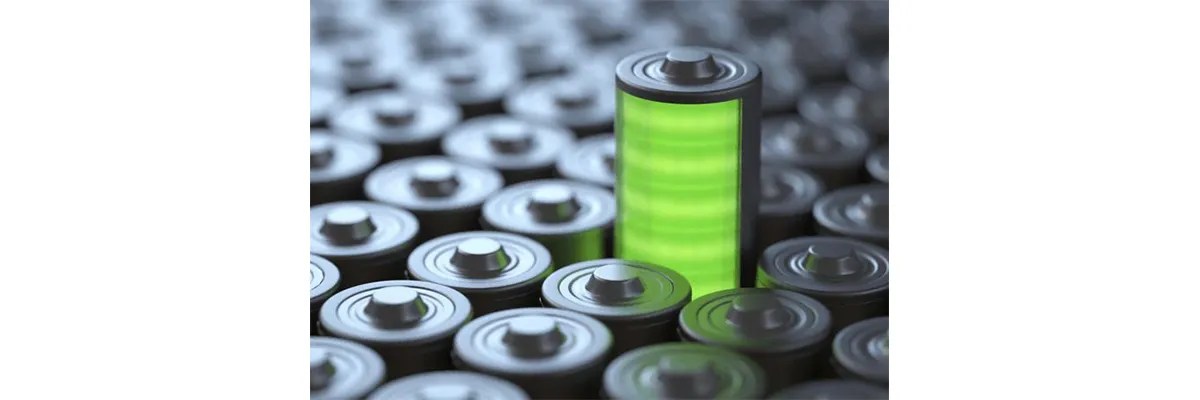
In water-soluble polymer production, Sodium 4-vinylbenzenesulfonate (CAS 2695-37-6) is widely used to create charged, hydrophilic polymer networks. When copolymerized with acrylamide, acrylic acid, or maleic anhydride, it improves dissolution rate, dispersibility, ionic charge density, and flocculation efficiency.
These polymers are used in water-treatment chemicals, pigment dispersants, detergent additives, rheology modifiers, and soil conditioners. In wastewater treatment, the sulfonate groups enhance particle bridging and sludge settling behavior. In coatings and ink systems, they improve wetting, dispersion, and long-term storage stability, making the material highly valued in industrial and environmental process industries.

Sodium p-styrenesulfonate enables the preparation of conductive and anti-static polymer materials for electronic and advanced packaging applications. When combined with conductive fillers, polyaniline, or other doped polymer matrices, it enhances ionic conductivity, electrochemical stability, and charge dissipation properties.
As a result, it is widely used in anti-static films, conductive coatings, semiconductor packaging, display components, ESD-safe plastics, and battery separator coatings. Unlike surface-treated anti-static additives that lose performance over time, polymers prepared using Sodium 4-vinylbenzenesulfonate maintain permanent ionic conductivity, ensuring long-lasting ESD control in high-value electronic environments.

In emulsion polymerization, Sodium 4-vinylbenzenesulfonate acts as a reactive surfactant (surfmomer), providing both emulsification capability and chemical grafting into the polymer backbone. Unlike conventional surfactants that can migrate or cause film defects, this reactive structure eliminates surfactant leaching, improving latex particle stability, gloss, water resistance, adhesion strength, and aging resistance.
It is particularly beneficial for acrylic emulsions, styrene-acrylic emulsions, waterborne coatings, paper sizing agents, adhesive emulsions, and textile finishes. This makes it ideal for high-performance waterborne polymer systems where long-term stability and film purity are critical.
In advanced surface-modification applications, Sodium 4-vinylbenzenesulfonate (Sodium p-styrenesulfonate) is used to build co-polymers that deliver superior wettability, ion-responsiveness, and anti-fouling behavior. These properties benefit optical coatings, membrane surface treatments, anti-fog coatings, hydrophilic adhesives, biomedical surface layers, and microfluidics materials.
Its sulfonate group enhances water interaction, while the vinyl structure enables polymer network compatibility, allowing engineers to tailor coating functionality for biocompatibility, moisture control, or surface charge enhancement. As industries move toward smart materials and functional surfaces, demand for this monomer continues to grow.
Polymer researchers select CAS 2695-37-6 because it allows controlled introduction of sulfonate groups into polymer structures, enabling:
It is preferred over sulfonated styrene because it offers direct polymerization capability without additional chemical processing.
Sodium 4-vinylbenzenesulfonate (CAS 2695-37-6) is a versatile ionic monomer essential in modern polymer science. Whether for ion-exchange membranes, conductive materials, water-soluble polymers, or advanced coatings, it provides unmatched adaptability and performance advantages, making it a preferred choice for high-value polymer research and manufacturing.
Chimassorb 944 vs Other HALS Stabilizers: Key Differences and Benefits
As polymer applications push toward longer service life, aggressive environments, and sustainable materials, UV stability has become a critical performance indicator. Among high-performance light stabilizers, Chimassorb 944 — CAS 71878-19-8, also known as UV Absorber 944 or UV 944 — is one of the most trusted and widely used Hindered Amine Light Stabilizers (HALS) for outdoor plastics and fibers.
In this guide, we compare Chimassorb 944 with other HALS systems, analyze its key advantages, application performance, and why global manufacturers prefer it when specifying UV stabilization systems for polyolefins and engineering plastics.
Chimassorb 944 is a high-molecular-weight HALS stabilizer specifically developed to provide long-term UV resistance for polymers with high outdoor exposure. Unlike UV absorbers that absorb UV light, HALS work by neutralizing free radicals generated during photo-oxidation. This makes them particularly effective in maintaining mechanical strength, color, and surface quality in plastics.
| Parameter | Description |
| CAS Number | 71878-19-8/70624-18-9 |
| Trade Names | Chimassorb 944, UV Absorber 944, UV 944 |
| Form | White/off-white powder or granules |
| Function | UV stabilizer (HALS), anti-aging agent |
| Key Features | High molecular weight, low volatility, long-term stabilization, migration resistance |
If you are looking to supply Chimassorb 944 at industrial scale, ensuring consistent molecular weight and purity is critical for stabilization efficiency.

HALS operate through a “radical trapping” or “nitroxyl mechanism”:
This regenerative behavior explains its excellent long-term weather protection.
Compared to conventional HALS, Chimassorb 944 delivers superior durability in outdoor environments and long-life industrial components.
| Property | Chimassorb 944 | Low-MW HALS | Liquid HALS |
| Molecular Weight | High | Low-medium | Medium |
| Migration Resistance | Excellent | Moderate | Lower |
| Volatility | Very low | Medium | Medium |
| Processing Temperature | High tolerance | Fair | Fair |
| Outdoor Lifetime Performance | Superior | Good | Medium |
| Best Uses | Polyolefins, PP fiber/film, automotive, pipes | General plastics | TPU, elastomers, coatings |
For long-service-life outdoor applications (PP, PE, fibers, agricultural films, pipes), Chimassorb 944 is significantly more durable than standard HALS and liquid stabilizers.
Some users confuse HALS with UV absorbers. They are complementary, not alternatives:
| Feature | Chimassorb 944 (HALS) | UV Absorber |
| Mode | Neutralizes radicals | Absorbs UV light |
| Best For | Thick-section & long-life products | Thin films, coatings |
| Durability | Very high | Moderate-high |
| Migration | Low | Varies |
| Stability | Excellent heat + UV | Heat sensitive (some) |
For maximum performance, Chimassorb 944 is often paired with benzotriazole UV absorbers or antioxidants to build a complete stabilization package.
Chimassorb 944 is widely used in polypropylene fibers and tensile tapes for products like woven bags, jumbo bags (FIBCs), carpet yarns, raffia, ropes, and non-woven fabrics. Outdoor-exposed PP fibers often experience chain scission, embrittlement, and strength loss due to sunlight, especially in high-UV regions.
With its superior free-radical trapping capability, UV 944 dramatically enhances fiber tensile retention, prevents chalking and color fading, and allows manufacturers to meet long-service packaging and industrial textile durability standards. For fiber spinning lines and masterbatch producers, it is the preferred HALS solution thanks to its processing stability and low volatility.

In agricultural film systems, long-term UV resistance directly determines field performance and cost efficiency. Chimassorb 944 (CAS 71878-19-8) is especially effective in LLDPE and LDPE greenhouse films, mulch films, shading nets, silage stretch films, and irrigation tubes, helping prevent photo-oxidation cracking, haze increase, brittleness, and discoloration under intense solar exposure.
Because agriculture requires multi-season performance, UV Absorber 944 synergizes with other UV absorbers and antioxidants to deliver stable protection, ensuring farmers benefit from longer-lasting film structures, reduced replacement frequency, and improved agricultural output.
For pipe manufacturers, UV degradation is a major challenge in above-ground and partially buried HDPE pressure pipes, irrigation pipes, water supply pipes, and geomembranes. Chimassorb 944 protects pipe materials from cracking, surface chalking, and mechanical decay caused by long-term sunlight exposure.
Likewise, cable producers widely use UV 944 to stabilize PE- and EVA-based cable jackets and wire insulation against thermal oxidation and outdoor weathering. Its low migration character ensures stable electrical insulation and impact resistance, even in demanding industrial, civil engineering and energy transmission environments.
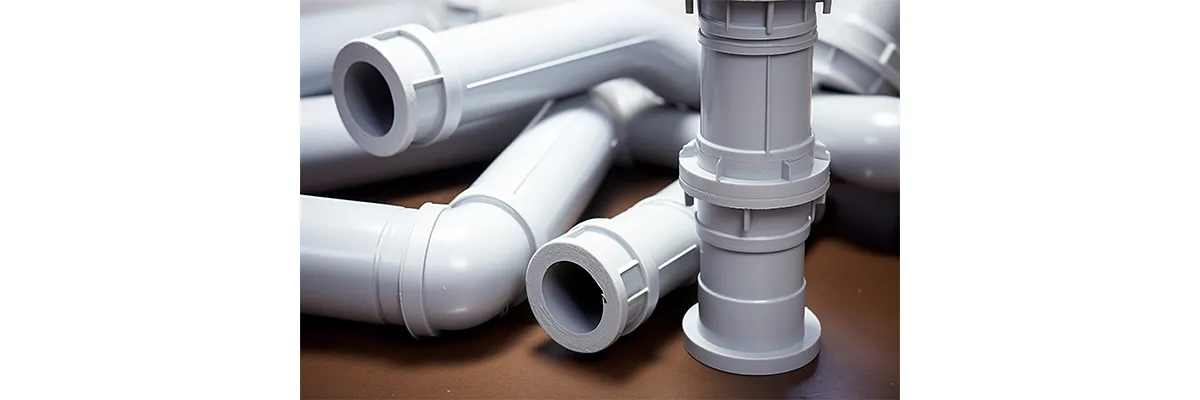
Automotive manufacturers, consumer product brands, and industrial plastic molders rely on Chimassorb 944 for UV stabilization in PP/PE injection-molded components, such as automotive trims, bumpers, battery housings, outdoor furniture, storage bins, garden appliances, sports equipment, and appliance housings. Without high-performance HALS, these parts suffer from surface cracking, fading, and brittleness over time.
Chimassorb 944 enhances gloss retention, prevents stress cracking, improves heat-light aging resistance, and maintains mechanical properties even under extended UV exposure—making it a high-value solution for durable outdoor component manufacturing.
UV masterbatch producers and plastic compounders frequently select Chimassorb 944 due to its compatibility with polyolefins, strong thermal stability, and excellent dispersion characteristics in extrusion. It is ideal for combination packages including phenolic antioxidants, phosphite stabilizers, and benzotriazole UV absorbers to build comprehensive stabilization systems for PP and PE.
Masterbatch formulations using UV 944 provide consistent pigment stability and weather performance, meeting performance specifications for high-UV markets like photovoltaic packaging, agricultural plastic film, automotive plastics, and outdoor construction materials.
For soft polymer systems such as EVA foam footwear, TPE outdoor components, TPU films, and EPDM-modified compounds, UV exposure can lead to loss of elasticity, cracking, and surface degradation. Chimassorb 944 helps maintain flexibility and mechanical properties over time, ensuring longer-lasting cushioning, insulation, and weather-resistant performance.
It is widely used in sports equipment, cable jackets, shoe midsoles, outdoor cushioning, insulation foams, and elastomer seals, providing long-term UV stability without compromising softness or processability.

Although best known for polyolefins, Chimassorb 944 is also used selectively in engineering thermoplastics such as polyamide (PA) and specialty blends that operate outdoors or under high-temperature conditions.
In automotive trims, electrical housings, outdoor tools, and specialty industrial components, UV Absorber 944 enhances color stability, surface integrity, and resistance to micro-cracking during UV exposure. It helps manufacturers meet automotive OEM UV-aging benchmarks and supports long-term performance requirements for industrial-grade plastics.
| Polymer System | Dosage (%) |
| Polypropylene fibers & films | 0.2 – 1.0% |
| Polyethylene (LLDPE, LDPE, HDPE) | 0.1 – 0.7% |
| PP molding components | 0.1 – 0.8% |
| EVA / TPU / Elastomers | 0.1 – 0.8% |
| Recycling / re-processing | +0.2% additional |
Dosage depends on UV intensity, lifetime expectations, polymer thickness, and synergy additives.
With growing demand for durable, weather-resistant plastics in agriculture, packaging, automotive, and industrial applications, choosing the right HALS stabilizer is essential for long-term product performance. Chimassorb 944 (CAS 71878-19-8) delivers exceptional UV stability, superior mechanical property retention, and low-migration durability — making it one of the most trusted solutions for high-performance polyolefin systems worldwide.
As a professional Chimassorb 944 supplier, we are committed to supporting polymer manufacturers, masterbatch producers, and plastic processors with:
Whether you are producing agricultural films, PP fibers, HDPE pipes, automotive components, or masterbatch, our team can help you develop a more stable and efficient UV stabilization system tailored to your product requirements.
Diaminodiphenyl Ether (CAS 101-80-4): Properties, Applications, and Safety Guide
In high-temperature polymers, electronic insulation materials, and aerospace composites, material choice defines reliability. Diaminodiphenyl Ether — also known as 4,4-Oxydianiline, 4,4-DPE, 4′-ODA, or CAS 101-80-4 — has become a cornerstone diamine monomer for engineers designing polymers that must withstand extreme heat, electrical stress, and long-term chemical exposure.
Unlike commodity diamines, 4,4′-Oxydianiline 99.8% is selected not simply for reactivity but for performance stability, long-term reliability, and process control. Our customers are polymer formulators, film producers, epoxy system manufacturers, and aerospace material companies who understand that high-end resin systems fail not at the reactor, but in the field — under thermal cycles, voltage stress, or mechanical fatigue.
And that is exactly where Diaminodiphenyl Ether excels.
Diaminodiphenyl Ether forms polymer chains with an ether linkage and symmetrical diamine structure, producing materials with high molecular stability, flexibility at the molecular level, and resistance to thermal oxidation. This combination is the reason polyimide films used in flexible circuits and aerospace harness insulation frequently use ODA-based systems.
When partnered with dianhydrides like PMDA or BPDA, 4,4-Oxydianiline gives polyimides their signature performance:
These properties translate directly into success in critical applications: satellites, EV battery modules, microelectronics, industrial motors, and high-frequency communication components.
Customers who switched materials to our 4,4′-Oxydianiline 99.8% report improvements in film clarity, curing uniformity, and temperature-aging performance — especially in applications requiring 1500+ hour thermal exposure testing.
The practical value of Diaminodiphenyl Ether is not only its chemistry, but what it enables on the production floor.
These issues are rarely discussed publicly — but they determine whether a resin is suitable for advanced electronics or aerospace use.
And this is exactly where supply quality matters.
Customers do not buy ODA from us simply because we manufacture it —they choose us because we help them prevent million-dollar material failures.

Diaminodiphenyl Ether (CAS 101-80-4) plays a critical role in high-temperature polymer systems. As a core diamine monomer in polyimide and polyamide synthesis, 4,4′-Oxydianiline (4′-ODA) contributes a unique balance of rigidity and molecular flexibility.
Unlike purely rigid diamines, the ether linkage in 4,4-diaminodiphenyl ether creates molecular mobility while retaining aromatic backbone stability. This allows formulators to achieve:
These performance attributes make 4,4′-ODA indispensable in advanced polymer engineering.
Key application sectors:
| Application | Description |
| Aerospace and defense composite matrix resins | High-strength, heat-resistant polyimides for engine insulation, aircraft electrical systems, satellites |
| Flexible Printed Circuits (FPCs) | Kapton®-type PI films for smartphones, EV power electronics, consumer & industrial electronics |
| High-temperature wire coatings | Polyimide enamel coatings for EV motors, aerospace wiring, robotics |
| Semiconductor & micro-insulation films | Low-dielectric loss PI films for packaging, wafer handling, and high-density wiring systems |
| High-temperature structural polymers | PI molding resins and engineering parts for aerospace and automotive |
For manufacturers moving toward next-generation flexible electronics, EV insulation materials, and aerospace lightweighting, 4,4-DPE is a high-security monomer for reliable and long-term performance.
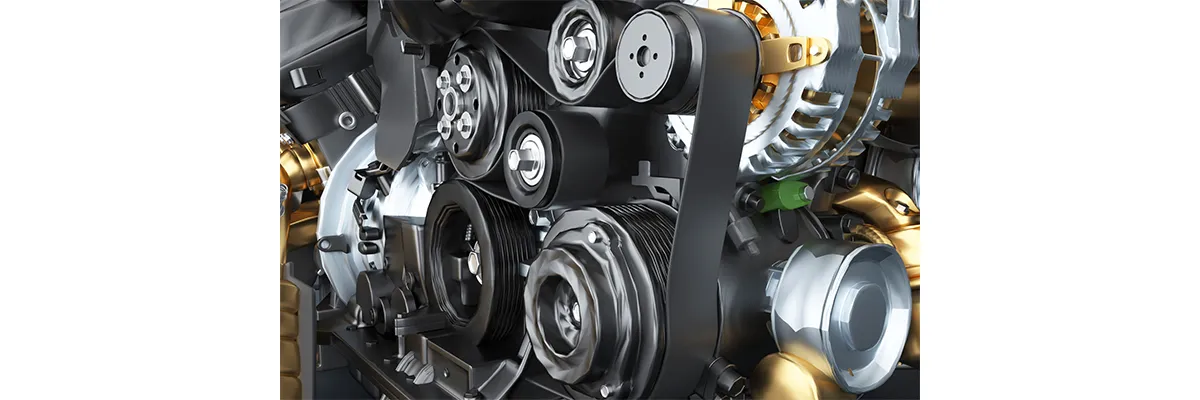
In epoxy resin systems, Diaminodiphenyl Ether (4,4′-ODA) functions as a premium aromatic curing agent. Compared to commodity amines, it provides superior thermal, mechanical, and dielectric stability.
4,4-diaminodiphenyl ether serves as a chain extender and structural modifier in high-performance engineering plastics and fiber-reinforced composites.
Functional benefits of 4,4′-Oxydianiline in plastics:
In specialty coating and film systems, 4,4′-Oxydianiline (CAS 101-80-4) contributes to thermal shock resistance, electrical insulation, and long-film durability.
Key properties in coatings:
Diaminodiphenyl Ether should be handled with care due to its chemical activity and solid-powder form.
| Hazard | Recommendation |
| Skin contact | Wear gloves and protective clothing |
| Eye contact | Use goggles |
| Inhalation risk | Use dust mask / ventilation |
| Storage | Store in cool, dry, sealed containers |
| Compatibility | Avoid oxidizing materials |
High-purity material ensures:
Industrial and aerospace polymer systems demand high consistency — quality matters for final performance.
Diaminodiphenyl Ether (CAS 101-80-4) is a critical chemical in high-performance materials manufacturing. Whether used for polyimide resins, epoxy systems, aerospace composites, or electronic insulation materials, it brings unmatched stability and heat resistance.
The Role of Stearalkonium Chloride in Modern Hair Care Formulations
Stearalkonium Chloride (CAS 122-19-0), also known as Benzyldimethylstearylammonium Chloride, is a quaternary ammonium compound commonly used in personal care formulations. It is a cationic surfactant with excellent conditioning, emulsifying, and antistatic properties.
Available in powder, liquid, and solid forms, Stearalkonium Chloride is widely used in hair conditioners, shampoos, creams, and lotions. It is one of the most effective ingredients for improving the texture, softness, and manageability of hair, especially after chemical treatments or frequent washing.
If you are looking to buy Stearalkonium Chloride, it is essential to understand how it works and how to select the right grade for your formulations.
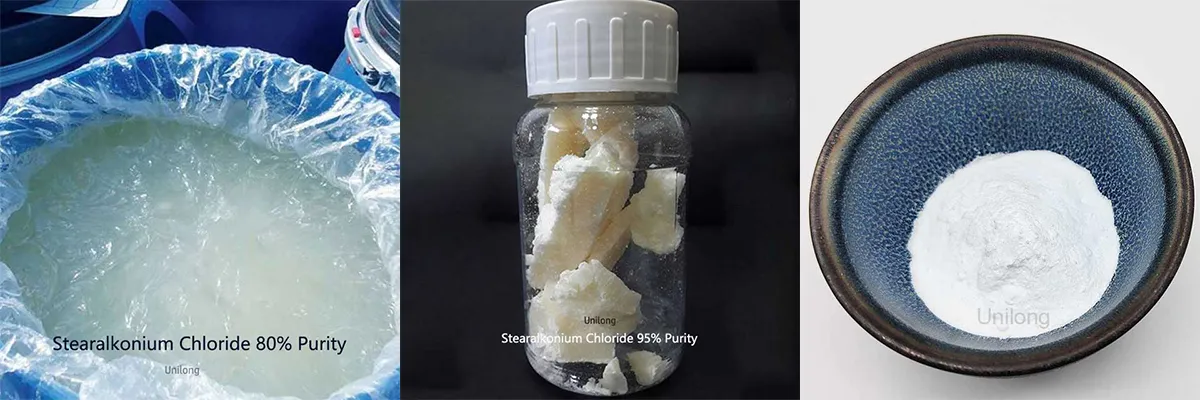
The mechanism of Stearalkonium Chloride is based on its positive ionic charge. Human hair carries a negative charge, especially when damaged or exposed to alkaline products like shampoo or dye. The cationic molecule of Stearalkonium Chloride binds electrostatically to these negatively charged sites, forming a thin film that:
In simple terms, it repairs damaged hair, prevents frizz, and makes hair easier to manage—which is why it is a star ingredient in both professional salon formulations and consumer hair products.
Stearalkonium Chloride has broad applications in the personal care, cosmetic, and pharmaceutical industries. Below are the main uses across different product categories:
This is the most common use. Stearalkonium Chloride provides:
It’s often used at 1–5% concentration in rinse-off or leave-in conditioners.
Adding Stearalkonium Chloride to shampoo formulations helps offset the harshness of cleansing surfactants such as SLS or SLES.
It improves:
Formulators prefer liquid Stearalkonium Chloride for easy dispersion in aqueous systems.

In premium or salon-grade hair serums, Stearalkonium Chloride functions as:
When blended with silicones or conditioning oils, it enhances long-lasting softness without greasiness.
Although primarily used for hair care, Stearalkonium Chloride is also applied in:
Its dual function as a conditioning and emulsifying agent makes it valuable in both hair and skin formulations.
Beyond cosmetics, Stearalkonium Chloride finds roles in:
At our facility, we offer Stearalkonium Chloride in three main forms to suit various production requirements:
| Form | Appearance | Typical Use |
| Powder | White to off-white fine powder | For dry formulations, hair masks, or compact cosmetics |
| Liquid | Paste-like liquid | For shampoos, conditioners, and emulsions |
| Solid (flake or pellet) | Waxy solid | Easy to store and melt into oil phases |
Usage levels typically range from 0.5% to 5%, depending on formulation type and desired conditioning strength.
Because of these benefits, many Stearalkonium Chloride suppliers recommend it as a multifunctional ingredient for improving product quality and user satisfaction.

The Stearalkonium Chloride price depends on several factors:
As a trusted Stearalkonium Chloride supplier, we provide:
If you are planning to buy Stearalkonium Chloride, contact our sales team for specifications, sample availability, and the latest price quote.
We are a professional manufacturer and supplier of cosmetic raw materials, committed to supporting formulators in creating high-performance hair and skin care products.
Our advantages include:
Whether you need Stearalkonium Chloride (CAS 122-19-0) in powder, liquid, or solid form, we ensure high purity, stable quality, and competitive pricing.
In modern hair care formulations, Stearalkonium Chloride plays an irreplaceable role as a conditioning, antistatic, and emulsifying agent. Its ability to repair damage, smooth the hair cuticle, and improve texture makes it one of the most effective and reliable ingredients in the industry.
Applications of CHPTAC (CAS 3327-22-8) in Cationic Starch and Cellulose Modification
CHPTAC, short for 3-Chloro-2-hydroxypropyltrimethyl ammonium chloride, is one of the most widely used cationic etherifying agents in modern industry.
With CAS Number 3327-22-8, this quaternary ammonium salt plays a key role in transforming natural polymers such as starch, cellulose, and guar gum into valuable cationic derivatives. These modified materials exhibit enhanced adsorption, reactivity, and compatibility with negatively charged systems — properties that are crucial across the paper, textile, water treatment, and personal care industries.
CHPTAC stands for 3-Chloro-2-hydroxypropyltrimethyl ammonium chloride. It is a colorless to light yellow transparent liquid with strong reactivity toward hydroxyl-containing materials such as starch, cellulose, and guar gum.
Chemically, it acts as a cationic etherifying agent, introducing positively charged quaternary ammonium groups into polymer chains. This process transforms nonionic or anionic materials into cationic derivatives with new functional properties.
Chemical Formula: C6H15Cl2NO
CAS Number: 3327-22-8
Other Names: CHPTAC Chemical, CHPTMAC, Quaternary Ammonium Salt Etherifying Agent
When CHPTAC is added to a hydroxyl-containing substrate such as starch or cellulose under alkaline conditions, it undergoes an intramolecular cyclization to form epoxypropyl trimethyl ammonium chloride (EPTAC).
This intermediate reacts with hydroxyl (-OH) groups on the polymer backbone through etherification, resulting in the introduction of quaternary ammonium groups.
The newly attached quaternary ammonium groups provide permanent positive charges that improve the polymer’s affinity toward anionic particles, dyes, and fibers.
This transformation enhances the overall charge density, hydrophilicity, and interaction capability of the modified material.
The most important application of CHPTAC (CAS 3327-22-8) is in the production of cationic starch, a critical wet-end additive in the pulp and paper industry.
By introducing cationic sites onto starch molecules, CHPTAC significantly enhances their interaction with negatively charged cellulose fibers, fillers, and fines.
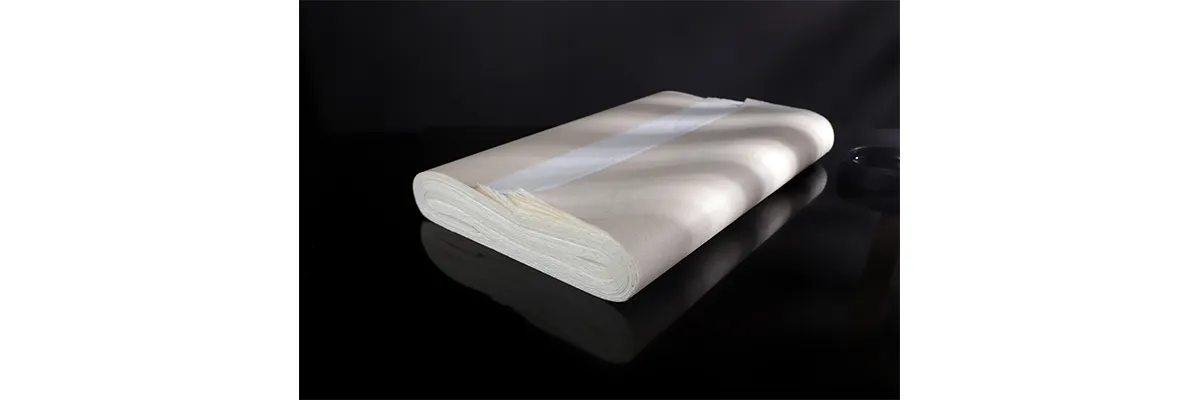
Improved Retention: Enhances the retention of fillers, fines, and pigments on paper sheets.
Higher Paper Strength: Increases both dry and wet strength, improving overall paper quality.
Better Drainage and Formation: Reduces drainage time and improves sheet formation during papermaking.
Reduced Cationic Demand: Lowers the need for synthetic retention aids and wet-strength resins.
Eco-Friendly Advantage: Derived from renewable starch sources and processed under mild conditions.
By adjusting the molar ratio of CHPTAC to starch and reaction time, manufacturers can precisely control the degree of substitution (DS), which directly affects charge density and performance.
Higher DS values lead to stronger electrostatic attraction and improved efficiency, particularly in fine paper and coated grades.
CHPTAC chemical is also used to produce cationic cellulose derivatives, commonly known as quaternized cellulose ethers.
These materials are used in textile dyeing, finishing, and fiber treatment due to their excellent dyeability and softness.
Enhanced Dye Affinity: Cationic cellulose improves dye uptake for reactive and direct dyes.
Energy and Water Savings: Reduced need for electrolytes in dye baths and shorter dyeing cycles.
Better Hand Feel: Provides softness and antistatic properties to fabrics.
Improved Wash Fastness: Enhances color retention after multiple washes.
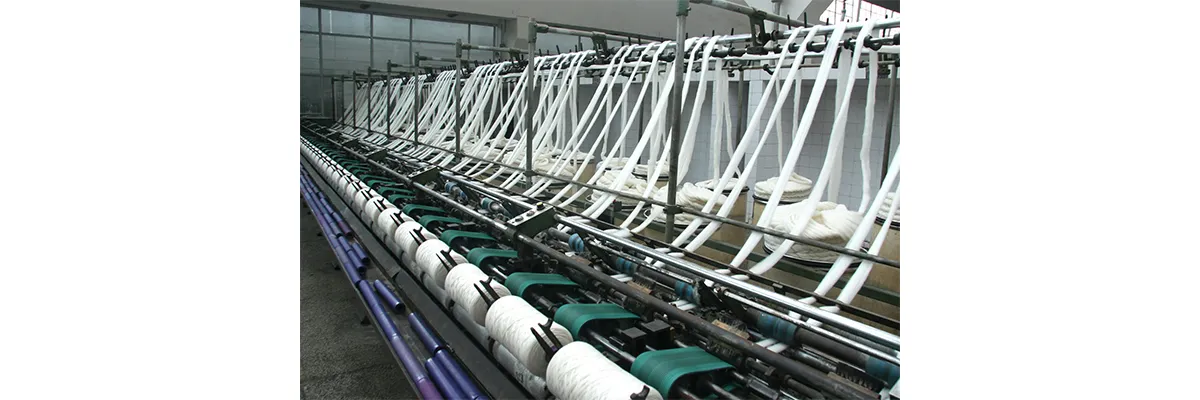
Cationic cellulose derived from 3-Chloro-2-hydroxypropyltrimethyl ammonium chloride is widely used in shampoos, conditioners, and skin lotions as a film-former and conditioning polymer.
It helps improve hair manageability, moisture retention, and product texture.
Beyond starch and cellulose, CHPTAC (CAS 3327-22-8) is used for the cationic modification of guar gum to produce cationic guar.
This modified gum finds wide use in oilfield drilling fluids and hydraulic fracturing due to its enhanced thermal stability and viscosity control.
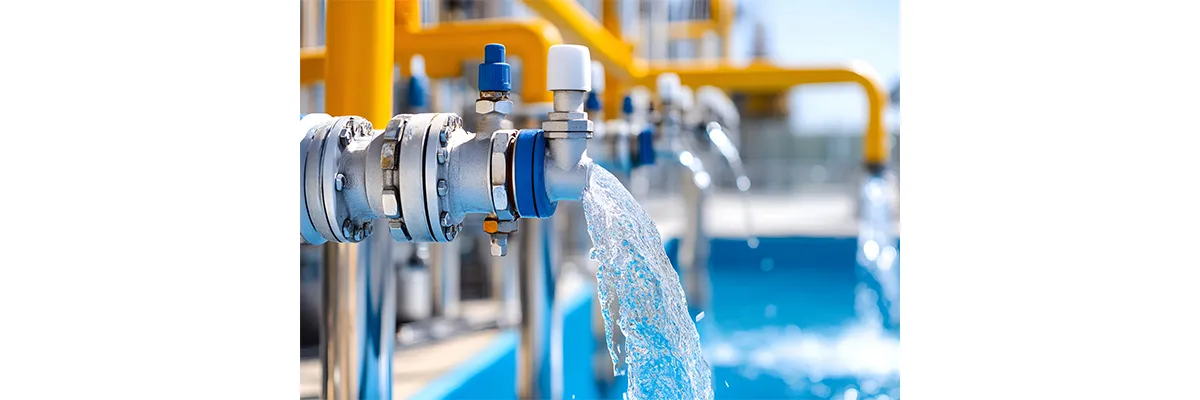
Additionally, CHPTAC serves as a key intermediate in the synthesis of cationic polyacrylamide (CPAM) and other water treatment polymers, providing strong flocculation performance for municipal and industrial wastewater treatment.
CHPTAC chemical enables the functionalization of natural biopolymers, making it a sustainable alternative to fully synthetic polymers.
Its advantages include:
Renewable Material Base: Derived from starch and cellulose rather than petroleum-based polymers.
Biodegradability: Cationic starch and cellulose are eco-friendly and decomposable.
Low Toxicity: Safe to handle and stable under normal processing conditions.
Cost Efficiency: Provides high performance at low usage levels, reducing overall production costs.
Through cationization, CHPTAC supports industries’ shift toward green chemistry, minimizing chemical waste and improving process efficiency.
Demand for CHPTAC (CAS 3327-22-8) continues to grow steadily across multiple industries.
The paper and pulp sector remains the largest consumer, followed by textile processing, water treatment, and personal care manufacturing.
Leading chemical producers are investing in improved production purity, low-chloride grades, and customized reactivity levels to meet diverse application requirements.
With the global trend toward biopolymer-based functional materials, CHPTAC will remain a key intermediate enabling performance enhancement and environmental sustainability.
Although CHPTAC chemical is relatively stable, it should be handled with care.
Direct contact may cause mild irritation to skin or eyes.
Recommended practices include:
CHPTAC (3-Chloro-2-hydroxypropyltrimethyl ammonium chloride) is an essential intermediate in the production of cationic starch, cationic cellulose, and cationic guar gum, widely applied across paper, textile, and water treatment industries. Its ability to introduce permanent positive charges into natural polymers brings improved retention, reactivity, and functional performance, making it an indispensable chemical in sustainable material modification.
At Unilong, we supply high-purity CHPTAC (CAS 3327-22-8) tailored to industrial needs. Our products are formulated to ensure consistent quality, stable reactivity, and low impurity levels, suitable for diverse applications in paper manufacturing, textile processing, and polymer synthesis.
Applications of Dimethyl Didecyl Ammonium Chloride in Water Treatment and Disinfection
Dimethyl Didecyl Ammonium Chloride (CAS 7173-51-5), also known as Didecyldimethylammonium Chloride (DDAC), is one of the most powerful quaternary ammonium compounds (QACs) used in modern disinfection chemistry. With its broad-spectrum antimicrobial performance, low toxicity, and excellent surface activity, DDAC has become an essential ingredient in water treatment, industrial disinfection, and sanitation products worldwide.
Unlike chlorine-based or oxidizing disinfectants that may corrode equipment and lose stability over time, Dimethyl Didecyl Ammonium Chloride offers long-lasting biocidal action, remains effective in both hard and soft water, and exhibits remarkable compatibility with other cleaning agents.
Microbial growth in industrial or municipal water systems can lead to biofouling, corrosion, and reduced heat transfer efficiency. Didecyldimethylammonium chloride (DDAC) eliminates microorganisms by disrupting their cell membranes, causing irreversible leakage of cellular contents.
This makes it an ideal choice for controlling bacteria and algae in:
Biofilms are among the most stubborn problems in water treatment. Once formed, they act as a protective layer for bacteria, making them resistant to conventional disinfectants.
Dimethyl Didecyl Ammonium Chloride CAS 7173-51-5 prevents biofilm formation at the molecular level, reducing maintenance costs and ensuring stable system operation. This leads to improved energy efficiency, longer equipment lifespan, and consistent water quality.
In many industrial systems, microbial metabolism causes unpleasant odors and slime buildup. By effectively killing odor-causing bacteria and inhibiting slime-producing organisms, Didecyl Dimethyl Ammonium Chloride ensures cleaner pipelines, reduced downtime, and lower chemical consumption.

Didecyldimethylammonium chloride DDAC is widely used in hospital-grade disinfectants, food processing sanitizers, and institutional cleaning formulations. It provides rapid and long-lasting protection against Gram-positive and Gram-negative bacteria, fungi, and enveloped viruses.
Formulations containing DDAC are stable even in the presence of organic matter and maintain high performance across a wide pH range (4–10). This ensures consistent disinfection results, even under challenging industrial conditions.
Dimethyl Didecyl Ammonium Chloride is an ideal active component in sprays, foaming detergents, and disinfectant wipes used for cleaning surfaces in laboratories, hospitals, and public facilities.
Compared to chlorine or peroxide-based agents, DDAC offers superior material compatibility—it does not corrode stainless steel, plastic, or rubber components, making it suitable for long-term use.

3. Potable and Storage Water Disinfection
When used within regulated concentration limits, Didecyl Dimethyl Ammonium Chloride can act as a bacteriostatic agent for drinking water storage systems and distribution networks, keeping microbial populations under control and preventing secondary contamination.

Broad-Spectrum Efficacy: Kills bacteria, fungi, and algae even at low dosages.
Excellent Stability: Performs reliably under varying temperature and pH conditions.
Low Corrosivity: Safe for metals, rubber, and plastic equipment.
Non-Foaming Nature: Ideal for high-circulation water systems and CIP (Clean-In-Place) operations.
Synergistic Compatibility: Can be combined with nonionic surfactants, alcohols, or other biocides for customized formulations.
Cost-Effective: Long-lasting biocidal activity reduces maintenance frequency and total chemical cost.
While Dimethyl Didecyl Ammonium Chloride is considered relatively low in toxicity compared to strong oxidizers, proper handling is essential.
Always dilute according to the manufacturer’s instructions.
Avoid direct contact with eyes and skin.
Use in well-ventilated environments.
Modern didecyl dimethyl ammonium chloride manufacturers are increasingly focusing on biodegradability improvements and eco-friendly formulations, aligning with the global trend toward sustainable water treatment solutions.
As global demand for high-performance disinfectants continues to grow, the importance of sourcing from trusted Didecyl Dimethyl Ammonium Chloride suppliers cannot be overstated.
A reputable manufacturer ensures:
If you are looking to buy Didecyl Dimethyl Ammonium Chloride, partnering with a professional supplier ensures reliable quality, timely delivery, and technical guidance for your specific application—whether for industrial water systems, disinfectant production, or chemical formulation.
Dimethyl Didecyl Ammonium Chloride (CAS 7173-51-5) is far more than a conventional disinfectant—it is a critical component in ensuring water system safety, public health, and industrial hygiene.
Its powerful antimicrobial activity, long-term stability, and cost efficiency make it indispensable in water treatment, sanitation, and environmental protection.
As one of the experienced didecyl dimethyl ammonium chloride manufacturers, we provide high-purity DDAC products tailored for your specific industry needs. Contact us today to explore formulations, technical support, or bulk purchase solutions.
Applications of N-Methylolacrylamide in Paper, Textile, and Leather Treatments
N-Methylolacrylamide (CAS 924-42-5), also known as N-(Hydroxymethyl)acrylamide, is a highly versatile monomer widely used in the modification of polymers for industrial applications. Thanks to its unique reactivity and strong crosslinking ability, it plays an essential role in improving the durability, flexibility, and water resistance of materials used in the paper, textile, and leather industries.
In modern manufacturing, producers are constantly looking for additives that offer both high performance and environmental compliance. N-Methylolacrylamide perfectly meets this demand, offering superior bonding properties while maintaining excellent stability and compatibility with various polymer systems.
If you are planning to buy N-(Hydroxymethyl)acrylamide for use in industrial formulations, understanding its structure, mechanisms, and application advantages can help you optimize your production process and product quality.
N-Methylolacrylamide is a derivative of acrylamide that contains both a vinyl group (-CH=CH₂) and a hydroxymethyl group (-CH₂OH). This dual functionality allows it to act both as a reactive monomer and a crosslinking agent, forming stable copolymers with other acrylic monomers. When introduced into polymer systems, it provides improved adhesion, water resistance, and mechanical strength—qualities that make it indispensable in coating and finishing industries.
In the paper industry, N-Methylolacrylamide (CAS 924-42-5) is primarily used to enhance wet strength, surface smoothness, and print quality. It is a key ingredient in wet-strength resins and surface sizing formulations, improving paper performance even under moist conditions.
Improved Wet Strength: By forming chemical bonds with cellulose fibers, it enhances structural integrity, allowing paper to maintain its shape and strength when wet.
Better Surface Finish: N-Methylolacrylamide helps create smoother and brighter surfaces, ideal for coated and printing papers.
Enhanced Filler Retention: It works synergistically with cationic polymers, improving filler distribution and paper uniformity.
Eco-Friendly Advantage: Compared with traditional resins, N-(Hydroxymethyl)acrylamide can be used in formulations that minimize formaldehyde emissions, aligning with sustainable paper production standards.
As a result, many high-performance paper manufacturers use N-Methylolacrylamide-modified resins to produce specialty papers such as packaging board, label paper, and water-resistant printing materials.

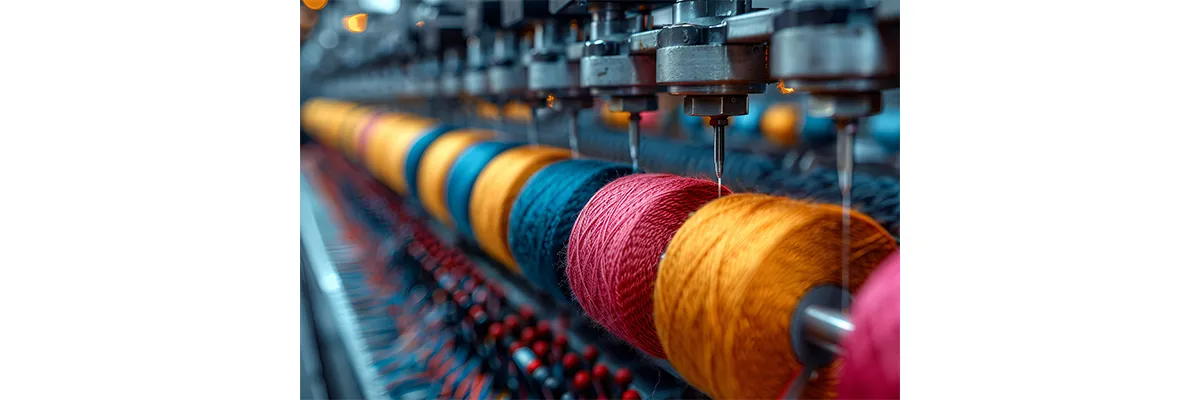
The textile industry extensively uses N-Methylolacrylamide to improve wrinkle resistance, durability, and fabric hand feel. It acts as a reactive crosslinking monomer that binds with cellulose or synthetic fibers, enhancing both mechanical and chemical performance.
Excellent Crosslinking Agent: It reacts with functional groups in fibers, forming stable crosslinked structures that improve wrinkle recovery and dimensional stability.
Enhanced Coating Binder: When copolymerized with acrylic or styrene monomers, N-Methylolacrylamide strengthens the binder film, improving elasticity and color fastness.
Improved Wash and Abrasion Resistance: The polymerized films resist detergent damage and physical wear, ensuring longer garment life.
Soft and Comfortable Touch: Textiles finished with this monomer maintain a natural feel while achieving superior surface performance.
Its versatility makes N-(Hydroxymethyl)acrylamide suitable for use in nonwoven fabrics, technical textiles, and specialty coatings where resilience and softness are equally important.
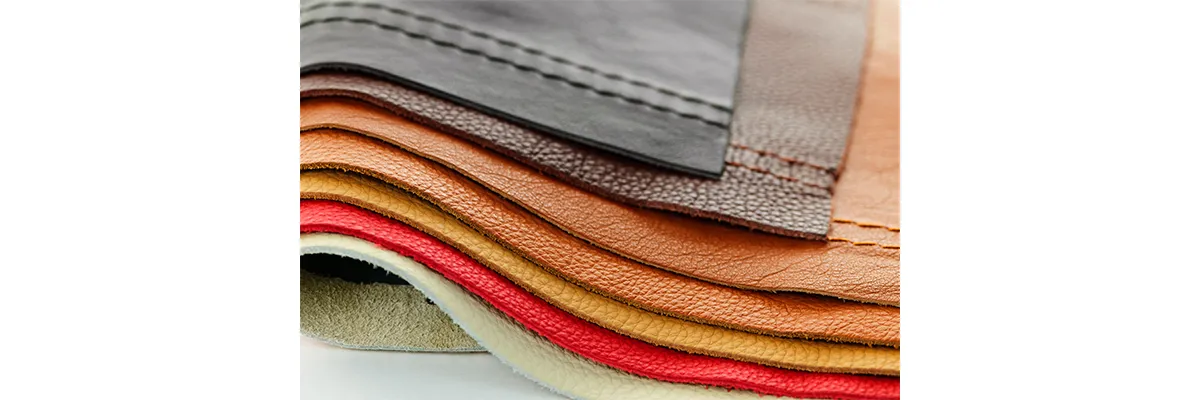
In leather finishing and coating formulations, N-Methylolacrylamide (CAS 924-42-5) is valued for its ability to improve adhesion, flexibility, and resistance to cracking. It enhances both natural and synthetic leather by modifying polymeric emulsions and surface coatings.
Crosslinking Modifier: It helps build stronger polymer films, resulting in improved adhesion to the leather substrate and resistance to moisture or solvents.
Softness and Elasticity: Copolymers containing N-Methylolacrylamide impart a supple feel, ensuring comfort and durability in footwear, furniture, and automotive leathers.
Color Stability: Treated leathers show better resistance to aging, light exposure, and heat-induced discoloration.
Versatile Surface Effects: Depending on formulation, it can create either matte or glossy finishes, giving designers flexibility in product aesthetics.
These advantages make it a preferred choice in high-end synthetic leather coatings, upholstery leathers, and waterproof leather treatments.
Besides paper, textile, and leather, N-Methylolacrylamide is also used in other polymer-based formulations:
Adhesives and Sealants: Improves film strength and adhesion to various substrates.
Water-Based Coatings: Increases gloss, hardness, and water resistance.
Emulsion Polymerization: Acts as a co-monomer to enhance the crosslink density and stability of latex emulsions.
Construction and Chemical Industries: Used in resins for improving binding strength and chemical resistance in coatings and mortars.
N-Methylolacrylamide (CAS 924-42-5) plays an essential role in modern material finishing, offering high-performance crosslinking, durability, and environmental compatibility. Its versatility across the paper, textile, and leather industries has made it a cornerstone additive in polymer modification.
As demand for sustainable and high-performance materials continues to grow, N-(Hydroxymethyl)acrylamide remains an indispensable ingredient for manufacturers seeking to enhance product quality and efficiency.
If you are searching for a trusted N-Methylolacrylamide supplier, Unilong provides reliable products and technical expertise to help your formulations achieve superior results.
How Scleroglucan Improves Emulsions and Suspension Systems
Scleroglucan, a high-performance polysaccharide, is increasingly recognized in industrial formulations for its unique ability to stabilize emulsions and suspensions. With the chemical identifier CAS 39464-87-4, this biopolymer is a versatile ingredient that enhances product performance across multiple sectors, from oilfield applications to cosmetics, pharmaceuticals, and food industries.
Scleroglucan is a water-soluble scleroglucan polysaccharide produced by fermentation of the fungus Sclerotium rolfsii. Known for its high molecular weight and excellent rheological properties, Scleroglucan forms a robust network in aqueous systems, which significantly improves viscosity and stability. Chemically, it is referenced under CAS 39464-87-4 or simply 39464-87-4, ensuring consistent quality and traceability for industrial applications.
The unique characteristics of Scleroglucan make it highly suitable for emulsions and suspensions:
High Viscosity: Even at low concentrations, Scleroglucan gum provides substantial thickening, enhancing flow properties without phase separation.
Shear-Thinning Behavior: The scleroglucan polymer exhibits pseudoplastic behavior, allowing easy processing during mixing while maintaining stability at rest.
Thermal and Salt Resistance: Scleroglucan maintains performance under high temperatures and in high ionic strength environments, making it ideal for challenging industrial conditions.
Film Formation and Water Retention: Its ability to form gels helps in stabilizing dispersed particles, preventing sedimentation, and extending shelf life.
Emulsions, such as oil-in-water or water-in-oil systems, require effective stabilization to prevent phase separation. Scleroglucan polymer contributes by:
Increasing Continuous Phase Viscosity: Thickened medium reduces droplet movement, minimizing coalescence.
Forming Protective Networks: Polysaccharide molecules create a three-dimensional structure that entraps droplets.
Enhancing Stability Under Stress: Heat, shear, or long-term storage has less impact on emulsions containing Scleroglucan gum.
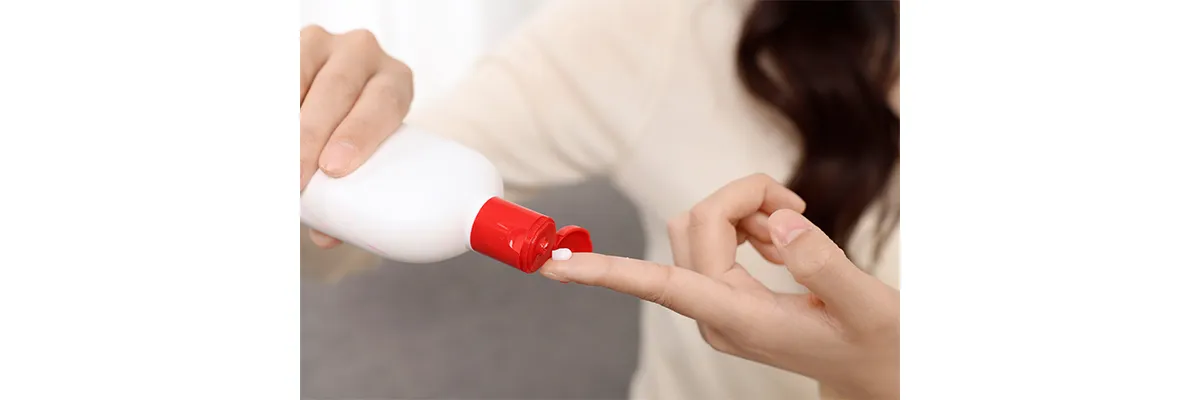
Cosmetics: In creams, lotions, and gels, Scleroglucan improves texture, prevents oil-water separation, and ensures smooth application.
Pharmaceuticals: Used in suspensions and syrups to stabilize active ingredients and maintain uniform dosing.
Food Industry: As a thickener and stabilizer in sauces, dressings, and beverages, it prevents separation and improves mouthfeel.
Oilfield Chemicals: Stabilizes emulsified drilling fluids, enhancing performance under high temperature and high salinity conditions.
Suspension systems often face challenges like particle sedimentation and aggregation. Scleroglucan addresses these challenges by:
Uniformly Suspending Particles: Its high viscosity slows particle settling.
Reducing Caking: Gel-like networks prevent dense sediment layers from forming.
Improving Redispersibility: Particles can easily be re-suspended with minimal agitation.
Drilling Fluids: Maintains uniform particle dispersion in drilling muds, improving lubrication and cuttings transport.
Agrochemicals: Stabilizes pesticide and fertilizer suspensions, ensuring uniform application and effectiveness.
Paints and Coatings: Prevents pigment settling, improving product consistency and appearance.
Specialty Lubricants: Ensures suspended additives remain evenly dispersed, enhancing lubrication efficiency.

Scleroglucan uses span multiple industries:
Scleroglucan CAS 39464-87-4 is a multifunctional scleroglucan polymer that dramatically improves emulsions and suspension systems. From cosmetics to oilfield chemicals, food products to pharmaceuticals, high-quality Scleroglucan gum ensures long-term stability, uniformity, and reliable performance.
Contact us today to purchase Scleroglucan or discuss a custom formulation for your specific application.
1,3,5-Tris(2-hydroxyethyl)cyanuric Acid CAS 839-90-7: Industrial Applications and Benefits
1,3,5-Tris(2-hydroxyethyl)cyanuric acid, commonly known as Tris(2-hydroxyethyl) Isocyanurate (THEIC) or Tris 2-hydroxyethyl Isocyanurate, is a high-performance triazine-based chemical widely used in industrial formulations. Its CAS 839-90-7 uniquely identifies this compound in chemical databases, ensuring precise sourcing and consistent quality for industrial applications. THEIC is prized for its thermal stability, multifunctionality, and chemical resistance, making it a preferred additive in coatings, resins, polymers, adhesives, and industrial detergents.
THEIC is a triazine derivative with three hydroxyl functional groups, which provide excellent reactivity with polyols, epoxy groups, and other resin components. These hydroxyl groups allow THEIC to act as a crosslinking agent, stabilizer, and performance enhancer, improving mechanical properties, thermal resistance, and chemical durability of industrial products.
Key properties of 1,3,5-Tris(2-hydroxyethyl)cyanuric acid:
THEIC is extensively used in polyurethane and industrial coatings as a crosslinker and stabilizer:
Mechanical Performance: Its three hydroxyl groups react with polyols to form highly crosslinked networks, improving hardness, scratch resistance, and flexibility.
Thermal Stability: THEIC-based coatings can withstand high operating temperatures without yellowing or degradation, ideal for industrial machinery, automotive coatings, and protective finishes.
Chemical Resistance: Resistant to solvents, acids, and alkalis, making it suitable for coatings in harsh industrial environments.
Example: Adding 3–5% THEIC to a polyurethane coating can increase hardness by up to 20% and enhance solvent resistance significantly, reducing maintenance costs in industrial equipment.

THEIC’s nitrogen-rich triazine structure makes it an effective additive in flame-retardant polymers:
Enhances fire resistance of epoxy resins, polyester resins, and thermoplastics
Provides flame retardancy without adding heavy metals, supporting eco-friendly material design
Improves char formation in case of high-temperature exposure, reducing flammability
Example: In thermoplastic composites, incorporating 2–4% THEIC can help achieve UL94 V-0 flame rating, widely required in electronics and automotive components.
THEIC is applied in high-performance industrial detergents for:
Stabilization: Maintains chemical efficacy under high temperature and prolonged use
Chelation: Helps bind metal ions in hard water, enhancing cleaning efficiency
Durability: Improves long-term storage stability and reduces degradation of active ingredients
Example: In heavy-duty metal cleaning solutions, THEIC ensures consistent performance over multiple cleaning cycles, reducing the need for frequent reprocessing.

THEIC improves bonding strength, thermal resistance, and mechanical stability in adhesives and sealants:
Epoxy and polyurethane adhesives: Hydroxyl groups of THEIC form strong crosslinks with resins, increasing adhesive strength and water resistance.
Polymer composites: Enhances rigidity and dimensional stability, particularly in high-performance plastics used in aerospace, automotive, and electronics.
Thermoplastic modification: Acts as a stabilizer, reducing thermal deformation and improving chemical resistance.
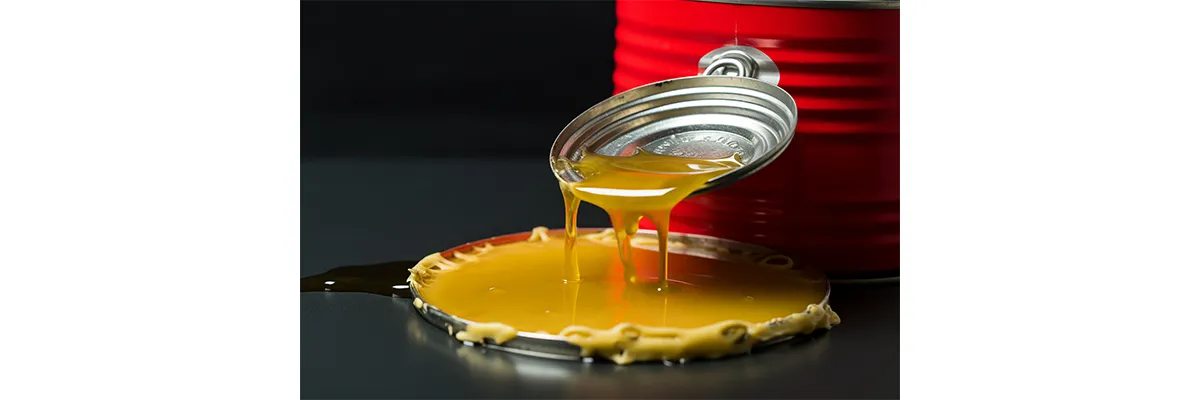
THEIC is occasionally used in industrial water treatment and specialty chemical formulations:
Stabilizes active ingredients in complex water treatment systems.
Enhances performance of dispersants, scale inhibitors, and anti-corrosion additives.
Provides long-term chemical stability in high-temperature or high-pH conditions.
High Thermal Stability: Can withstand extreme temperatures without degradation, suitable for coatings, adhesives, and polymers.
Excellent Chemical Resistance: Compatible with acids, bases, solvents, and oxidizing agents.
Crosslinking Capability: Forms strong, durable networks in polyurethane, epoxy, and polyester systems.
Flame Retardant Properties: Nitrogen content contributes to fire safety without heavy metals.
Versatility Across Industries: From coatings and adhesives to detergents and polymers, THEIC improves performance and longevity.
Eco-Friendly Profile: Biodegradable and low toxicity, aligning with industrial sustainability goals.
1,3,5-Tris(2-hydroxyethyl)cyanuric acid CAS 839-90-7 is a high-value industrial chemical offering thermal stability, chemical resistance, crosslinking ability, and flame retardancy. Widely used in coatings, adhesives, polymers, and industrial detergents, THEIC enhances product durability, performance, and safety. Integrating Tris(2-hydroxyethyl) Isocyanurate into industrial formulations is an effective way to improve both technical quality and operational efficiency.
Why 1,2-Diphenoxyethane Is Widely Used in Specialty Chemicals
Diphenoxyethane (CAS 104-66-5), also known as 1,2-Diphenoxyethane or Diphenoxyethane DPE, is a key aromatic ether compound that plays an important role in modern specialty chemicals.
With its stable chemical structure, high purity, and excellent thermal resistance, it is widely used as an intermediate, plasticizer, solvent, and functional additive in coatings, polymers, and electronic materials.
As industries continue to demand high-performance and durable materials, 1,2-Diphenoxyethane has become an indispensable building block for chemical manufacturers around the world.
| Parameter | Details |
| Chemical Name | 1,2-Diphenoxyethane |
| CAS Number | 104-66-5 |
| Synonyms | Diphenoxyethane DPE, Ethylene diphenyl ether |
| Molecular Formula | C14H14O2 |
| Appearance | White Powder |
| Boiling Point | ~300°C |
| Solubility | Insoluble in water, soluble in organic solvents |
| Stability | Excellent thermal and chemical stability |
The molecular structure of 1,2-Diphenoxyethane—two phenoxy groups connected by an ethane linkage—gives it strong aromatic stability and excellent compatibility with organic systems.
It resists oxidation, hydrolysis, and chemical attack, which makes it perfect for demanding environments such as coatings, polymers, and high-performance resins.
The uses of 1 2-Diphenoxyethane (CAS 104-66-5) extend far beyond a simple solvent or intermediate. It plays a multi-functional role across several industries where high-purity, thermally stable, and non-reactive compounds are required.
One of the main applications of Diphenoxyethane DPE is as a chemical intermediate in the production of advanced engineering plastics and thermosetting resins.
Epoxy and Polyester Resins:
1,2-Diphenoxyethane enhances molecular flexibility and heat resistance. It’s often used to improve mechanical strength and chemical durability in coatings and composites.
Polycarbonate and Polyimide Materials:
In electronics and aerospace industries, DPE-based intermediates are used to synthesize polymers that can endure high thermal and oxidative stress, improving component lifespan.
Polyether Ether Ketone (PEEK) and Liquid Crystal Polymers:
Diphenoxyethane derivatives help control polymer chain rigidity, resulting in better flow, processability, and surface finish.
By modifying polymer backbones, DPE provides materials that maintain both flexibility and resistance to deformation at high temperatures.
In coatings technology, 1,2-Diphenoxyethane serves as a solvent and coalescent aid that enhances surface appearance and chemical resistance.
It increases film-forming ability and gloss in polyurethane and acrylic coatings.
DPE’s aromatic ether structure provides excellent resistance to yellowing, oxidation, and acid-base degradation.
It improves adhesion, flow, and leveling properties, leading to smoother surfaces in industrial, automotive, and electronic coatings.
Because it is less volatile than conventional solvents, it helps coatings maintain long-term performance without odor or instability issues.
For manufacturers, using Diphenoxyethane means better durability, appearance, and stability of final coating products.
In polymer compounding, Diphenoxyethane CAS 104-66-5 functions as a flexibility enhancer and processing aid.
It softens the polymer matrix, improving moldability and impact strength.
It helps reduce internal stress and cracking during cooling, making it suitable for PVC, ABS, and phenolic resins.
DPE’s low volatility also prevents migration or exudation, ensuring long-term product stability.
This makes it a preferred plasticizer in products that require high heat distortion temperature and mechanical integrity, such as cable coatings, electronic components, and heat-resistant films.
1,2-Diphenoxyethane is also valuable in the synthesis of fine chemicals and pharmaceutical intermediates.
Its reactive aromatic ether groups can undergo controlled substitution or oxidation reactions, leading to derivatives used in:
In these applications, Diphenoxyethane DPE acts as a structural scaffold that allows further modification while maintaining high chemical stability.

In the electronics industry, where heat resistance and insulation are critical, 1,2-Diphenoxyethane plays a unique role:
Its molecular rigidity and resistance to degradation under light and heat make it a valuable additive for next-generation electronic materials.
| Benefit | Description |
| Thermal Stability | Performs reliably under high temperatures, preventing decomposition. |
| Chemical Resistance | Inert toward acids, bases, and oxidizing agents. |
| Excellent Compatibility | Works well with a wide range of resins, solvents, and monomers. |
| Low Volatility | Reduces emission and odor in coatings and resins. |
| High Purity | Ensures consistent results in fine chemical and polymer synthesis. |
These advantages make Diphenoxyethane a go-to raw material for industries that require both performance and process stability.
While Diphenoxyethane (CAS 104-66-5) is generally stable and low in toxicity, standard industrial handling precautions are recommended:
The broad range of 1,2-Diphenoxyethane uses—from polymer intermediates and coatings to electronic and fine chemicals—demonstrates its importance as a core specialty chemical.
Its exceptional thermal stability, chemical inertness, and compatibility make it a reliable choice for manufacturers pursuing advanced material performance.
Whether you are developing high-performance coatings, engineering plastics, or fine chemical intermediates, choosing a trusted Diphenoxyethane supplier ensures consistent quality and purity to meet your production needs.
Diphenoxyethane DPE (CAS 104-66-5) is more than just an aromatic ether — it is a critical enabler of innovation across multiple industries.
Dimethyl Thio Toluene Diamine: A High-Performance Curing Agent for Coatings and Adhesives
In high-performance industrial formulations such as polyurethane, epoxy coatings, and elastomer systems, Dimethyl Thio Toluene Diamine (DMTDA) has become one of the most reliable curing agents available today. Known under trade names like Ethacure 300 or simply DMTDA amine, this compound is valued for its balance of reactivity, flexibility, and superior thermal and mechanical resistance.
With its CAS number 106264-79-3, Dimethyl Thio Toluene Diamine offers formulators a unique curing profile that outperforms conventional aromatic diamines, especially where long pot life and excellent heat aging stability are required.
Dimethyl Thio Toluene Diamine (DMTDA), also referred to as dimethyl thio-toluene diamine, is an aromatic diamine with two methylthio groups attached to the benzene ring. This molecular structure gives the product lower reactivity compared with methylene dianiline (MDA) or diethyltoluenediamine (DETDA), providing formulators with better control over curing time and enhanced processability.
Chemically identified as CAS 106264 79 3, DMTDA is a viscous liquid at room temperature and is fully compatible with isocyanates and epoxy resins, making it a versatile curing agent in a wide range of applications.

DMTDA ethacure 300 provides a significantly longer pot life compared with traditional curing agents. This feature is crucial for large-scale or complex molding and coating processes, where longer working time ensures uniform curing and smooth surface finish.
Polyurethane elastomers cured with DMTDA exhibit superior heat resistance, tensile strength, and tear resistance—ideal for applications demanding durability under extreme conditions.
The thioether structure within DMTDA enhances chemical and hydrolysis resistance, making it particularly effective in industrial coatings, adhesives, and casting systems exposed to moisture or harsh chemicals.
DMTDA amine is compatible with both aliphatic and aromatic isocyanates, providing versatility for different end-use formulations such as coatings, adhesives, potting compounds, and sealants.
DMTDA is extensively used as a curing agent for polyurethane elastomers, offering a balanced combination of toughness, flexibility, and elongation.
Compared with MOCA or DETDA, DMTDA offers longer pot life and lower toxicity, simplifying handling and improving workplace safety.
In epoxy formulations, Dimethyl Thio Toluene Diamine is valued for its controlled reactivity and enhanced toughness. It acts as a curing agent that improves:
Its ability to form dense, cross-linked networks ensures durable coatings and adhesives that retain mechanical integrity even under harsh industrial conditions.

Due to its excellent dielectric strength and thermal stability, DMTDA amine is a preferred curing agent for potting and encapsulation materials.
This application sector benefits from DMTDA’s controlled exothermic reaction, ensuring no thermal shock during curing and protecting sensitive components.
In heavy-duty coating systems, DMTDA ethacure 300 provides long-lasting performance in protective coatings used for:
Its slower curing speed allows better film formation and leveling, which results in a smoother, more uniform finish.
DMTDA is also utilized as a reactive curing component in adhesive systems requiring balance between hardness and flexibility.
The dimethyl thio-toluene diamine structure contributes to outstanding chemical stability and long service life.
| Property | Description |
| Chemical Name | Dimethyl Thio Toluene Diamine |
| Synonyms | DMTDA, DMTDA ethacure 300, dimethyl thio-toluene diamine, DMTDA amine |
| CAS Number | 106264-79-3 / 106264 79 3 |
| Molecular Formula | C10H16N2S2 |
| Appearance | Amber to brown liquid |
| Function | Curing agent for polyurethane and epoxy systems |
Selecting a high-quality Dimethyl Thio Toluene Diamine supplier ensures consistency in viscosity, purity, and amine value—all critical to achieving stable curing and mechanical performance. Our production process ensures:
We provide DMTDA samples and bulk supply for polyurethane, epoxy, and coating manufacturers worldwide. Contact our technical team for customized guidance on formulation optimization.
In today’s demanding industrial environment, performance and reliability are everything. Dimethyl Thio Toluene Diamine (DMTDA) — also known as Ethacure 300 — delivers exactly that. With its balanced curing speed, excellent chemical and heat resistance, and compatibility with both polyurethane and epoxy systems, DMTDA stands out as one of the most efficient and versatile amine curing agents on the market.
Whether you are formulating high-performance coatings, durable adhesives, or flexible elastomers, choosing the right curing agent makes all the difference. As a trusted DMTDA supplier (CAS 106264-79-3), we provide high-purity materials backed by strict quality control and technical support to help you achieve superior results.
If you’re looking to improve the durability, processability, and performance of your products, Dimethyl Thio Toluene Diamine is the smart choice — and our expert team is ready to support you every step of the way.
Why Cosmetic-Grade Hyaluronic Acid Sodium Salt Is a Skincare Essential
In the beauty and cosmetics industry, Hyaluronic Acid Sodium Salt, also known as Sodium Hyaluronate (CAS 9067-32-7), has become one of the most sought-after ingredients for modern skincare formulations. As a natural humectant, it has the incredible ability to retain moisture, improve skin elasticity, and create a smooth, hydrated complexion. Whether used in facial serums, creams, or masks, Cosmetic Grade Sodium Hyaluronate plays a vital role in enhancing product performance and consumer satisfaction.
For formulators and brand owners looking for reliable CAS 9067-32-7 raw material, choosing the right China Sodium Hyaluronate factory or China Sodium Hyaluronate supplier is crucial to ensure consistent quality and purity.
Hyaluronic Acid Sodium Salt is the sodium form of hyaluronic acid — a naturally occurring polysaccharide found in the skin, joints, and connective tissues. Its main function is to retain water and maintain tissue hydration. When used in skincare, Sodium Hyaluronate binds moisture from the environment and delivers it deep into the epidermis, leaving the skin plump, smooth, and refreshed.
In the cosmetic industry, the CAS 9067-32-7 number identifies the ingredient’s chemical identity, ensuring product traceability and regulatory compliance. The quality of Sodium Hyaluronate raw material directly affects the moisturizing efficiency and texture of finished products.
Not all hyaluronic acids are the same. The molecular weight of Sodium Hyaluronate determines its function in skincare. Leading China Sodium Hyaluronate manufacturers now produce customized grades for various applications:
With smaller molecules, LMW can penetrate the deeper layers of the skin, providing long-lasting hydration and stimulating collagen synthesis. Ideal for anti-aging and intensive moisturizing serums.
Offers a balanced performance — forming a protective film on the skin while allowing deep moisturization. Frequently used in creams, lotions, and hydrating masks.
Has a larger molecular structure that remains on the skin’s surface, creating a breathable film to prevent transepidermal water loss (TEWL). Perfect for products that focus on instant smoothing and protection.
A new generation of ultra-low molecular weight hyaluronate, designed for rapid absorption and skin repair. It deeply penetrates to activate fibroblast activity, promoting elasticity and radiance.
The combination of these molecular weights allows cosmetic formulators to create multi-layer hydration systems for long-term effectiveness.
Hyaluronic Acid Sodium Salt can hold up to 1000 times its weight in water — making it one of the most effective humectants available. It helps the skin maintain optimal hydration levels, keeping it soft, supple, and radiant.
As we age, natural hyaluronic acid levels in the skin decrease. Using Sodium Hyaluronate replenishes this loss, plumping up fine lines and restoring volume. Clinical studies show that consistent use reduces the appearance of wrinkles and improves elasticity.
Regular application of Cosmetic Grade Sodium Hyaluronate reinforces the skin’s barrier function, protecting against pollution, UV exposure, and dehydration. This makes it an ideal ingredient for formulations targeting sensitive or dry skin.
Because Sodium Hyaluronate enhances skin permeability, it can boost the absorption of vitamins, peptides, and antioxidants, improving overall formulation performance.
Unlike some synthetic moisturizers, Sodium Hyaluronate (CAS 9067-32-7) is biocompatible and non-sensitizing, making it suitable for all skin types — including sensitive and acne-prone skin.

Hyaluronic Acid Sodium Salt is incredibly versatile. It can be found in almost every type of skincare product today:
Facial serums and ampoules: Deliver concentrated hydration and anti-aging benefits.
Moisturizing creams and lotions: Provide a silky-smooth texture and long-lasting moisture.
Sheet masks: Instantly refresh the skin and relieve dryness.
Toners and essences: Prep the skin by improving its moisture balance.
Makeup and foundation: Improve spreadability and reduce cakiness by locking in moisture.
Haircare products: Strengthen and hydrate hair cuticles, reducing frizz and improving shine.
With its multifunctional benefits, Cosmetic Grade Sodium Hyaluronate is not just a trend — it’s a cornerstone of modern beauty formulation.

For manufacturers and cosmetic brands, the source of raw materials matters. A reliable China Sodium Hyaluronate supplier ensures the product’s purity, safety, and consistency. When selecting CAS 9067-32-7 suppliers, here’s what to consider:
When you buy Sodium Hyaluronate from an experienced China Sodium Hyaluronate manufacturer, you not only receive premium CAS 9067-32-7 raw material, but also technical guidance for optimizing your skincare formulations.
China has become the world’s leading production base for Sodium Hyaluronate due to its advanced biotechnology, fermentation techniques, and cost efficiency. Many China Sodium Hyaluronate factories use microbial fermentation to produce pure, non-animal-derived Hyaluronic Acid Sodium Salt, ensuring a sustainable and vegan-friendly supply chain.
Leading China Sodium Hyaluronate suppliers export globally, providing Cosmetic Grade Sodium Hyaluronate that complies with international standards like ISO, REACH, and GMP certifications. This guarantees that each batch of CAS 9067-32-7 material performs reliably in cosmetic formulations worldwide.
The skincare industry continues to evolve toward advanced and multifunctional ingredients. Future innovations in Sodium Hyaluronate will include nano-encapsulation, crosslinked forms for extended hydration, and combination with active peptides for enhanced anti-aging performance.
As consumers demand more science-driven and eco-friendly beauty solutions, Hyaluronic Acid Sodium Salt will remain central to clean, sustainable, and high-performance cosmetic formulations.
As a professional China Sodium Hyaluronate manufacturer and supplier, we provide full-range Cosmetic Grade Sodium Hyaluronate materials — including Oligo Sodium Hyaluronate, Sodium Hyaluronate Powder LMW, MMW, and HMW — with CAS 9067-32-7 certification.
Whether you are looking to buy Sodium Hyaluronate for skincare, haircare, or cosmetic formulations, our high-purity CAS 9067-32-7 raw material ensures excellent hydration, stability, and consumer satisfaction. Partner with a trusted China Sodium Hyaluronate factory to elevate your brand and deliver scientifically proven results.
The Role of Sodium Glucoheptonate in Metal Cleaning, Water Softening, and Chelation
In modern industries, the control of metal ions in water and cleaning systems is critical to ensure efficiency, protect equipment, and maintain product quality. Sodium glucoheptonate (CAS 31138-65-5) has emerged as a versatile and environmentally friendly solution, widely used for metal cleaning, water softening, and as a chelating agent. As a trusted sodium glucoheptonate supplier and manufacturer, we provide high-quality products and technical support to help customers achieve optimal results.
Sodium glucoheptonate is a sodium salt derived from glucoheptonic acid. Its molecular structure allows it to form stable complexes with various metal ions, including calcium, magnesium, iron, and copper. This chelation property makes it highly effective in preventing scale formation, removing metal deposits, and stabilizing chemical formulations.
Key properties of sodium glucoheptonate:
These properties make sodium glucoheptonate an essential additive in industrial cleaning, water treatment, detergents, and personal care products.
Metal surfaces in industrial equipment, machinery, and household appliances are prone to scale, rust, and corrosion due to metal ions present in water. Sodium glucoheptonate uses in metal cleaning are crucial for preventing and removing these deposits.
Sodium glucoheptonate acts as a chelating agent, binding metal ions and keeping them soluble in water. This prevents deposition on surfaces and allows for effective cleaning without the use of harsh acids or abrasive chemicals.
Boilers and Heat Exchangers – Prevents calcium and magnesium scale buildup, improving heat transfer efficiency and reducing maintenance costs.
Cooling Towers – Controls hardness and metal ion concentration, protecting system components from corrosion and scaling.
Metal Surface Treatment – Cleans and maintains metal surfaces before coating or painting, ensuring uniform adhesion and finish.
Electroplating and Metal Finishing – Stabilizes metal ion concentration, enhancing plating uniformity and product quality.
By incorporating sodium glucoheptonate into cleaning formulations, industries can significantly reduce downtime, extend equipment life, and minimize environmental impact.
Hard water, rich in calcium and magnesium ions, is a major challenge for both industrial processes and household systems. These ions cause scale formation, reduce detergent efficiency, and shorten appliance lifespans.
Sodium glucoheptonate works as a water softener by binding the hardness-causing ions and preventing them from precipitating. This process ensures:
In industries such as textile, paper, and chemical manufacturing, consistent water quality is essential. Sodium glucoheptonate ensures that:
Chelation is the process of binding metal ions to prevent unwanted reactions. Sodium glucoheptonate’s strong chelating ability makes it invaluable in multiple industries.
Prevents Metal-Catalyzed Degradation – Protects active ingredients in detergents and personal care products from being deactivated by trace metals.
Stabilizes Formulations – Maintains product consistency and prolongs shelf life.
Enhances Performance – By controlling metal ion concentration, chemical reactions proceed more efficiently, improving overall process outcomes.
Detergents – Sodium glucoheptonate binds hard water ions, allowing detergents to function optimally and protecting fabrics.
Shampoos and Skincare Products – Sequesters trace metals that may oxidize or degrade active ingredients, ensuring product efficacy and safety.
Industrial Cleaners – Improves cleaning efficiency while reducing the risk of surface damage caused by metal deposits.
The effectiveness of sodium glucoheptonate depends on its purity, consistency, and quality. Partnering with a reputable sodium glucoheptonate supplier ensures:
As leading sodium glucoheptonate manufacturers, we focus on producing high-purity, environmentally friendly products that meet global standards and customer expectations.
Determine Required Dosage – Optimal concentrations vary depending on water hardness and metal ion levels.
Combine with Other Additives – In detergents or cleaning formulations, sodium glucoheptonate can be combined with surfactants and stabilizers for enhanced performance.
Monitor Water Quality – Regular testing ensures that chelation and water softening remain effective.
Select High-Quality Supplier – Ensures product consistency and reduces risk of contamination or underperformance.
Sodium glucoheptonate (CAS 31138-65-5) is a versatile, environmentally friendly solution that plays a vital role in metal cleaning, water softening, and chelation. Its ability to bind metal ions prevents scale formation, protects equipment, and enhances product performance across industrial, household, and personal care applications.
Choosing a reliable sodium glucoheptonate manufacturer and supplier guarantees high-quality products, consistent results, and professional technical support. Whether addressing hard water, metal contamination, or formulation stability, sodium glucoheptonate is an essential tool for efficiency, longevity, and optimal performance.
Contact us today to learn more about sodium glucoheptonate uses and how our products can improve your operations and formulations.
The Role of Tetrabutyl Titanate in Titanium Dioxide and Surface Coatings
Tetrabutyl Titanate—also known as Titanium(IV) butoxide, Tetra-n-butyl orthotitanate, or Titanium butoxide (CAS 5593-70-4)—is a highly versatile titanium alkoxide widely used in the production of titanium dioxide (TiO₂) and advanced surface coatings. For manufacturers and formulators, understanding the properties, applications, and sourcing options of tetrabutyl titanate is crucial for ensuring product quality, process efficiency, and cost-effectiveness.
Chemically, Tetrabutyl Titanate (Ti(OBu)₄) is a clear, colorless liquid with a high reactivity toward water and alcohols. This property allows it to act as a precursor for TiO₂ through controlled hydrolysis and condensation, resulting in titanium dioxide particles with tailored size, shape, and crystallinity. These properties directly influence the opacity, brightness, and durability of the final pigment and coatings.
Key identifiers for this chemical include:
CAS Number: 5593-70-4
Synonyms: Titanium(IV) butoxide, Tetra-n-butyl orthotitanate, Titanium butoxide
Physical Form: Liquid
For customers, using the correct chemical ensures compatibility with their processes, whether for pigment production, sol-gel coatings, or surface modification applications.

Titanium dioxide is an essential white pigment used in paints, coatings, plastics, inks, and paper. Tetrabutyl titanate is a preferred precursor due to its ability to produce high-purity TiO₂ with controlled particle characteristics.
When tetrabutyl titanate reacts with water under controlled conditions, it undergoes hydrolysis to form titanium hydroxide, which subsequently condenses into TiO₂. Adjusting reaction parameters such as temperature, pH, and water-to-precursor ratio allows manufacturers to produce particles with specific sizes and crystal structures (rutile or anatase). This is critical because particle size directly impacts opacity, gloss, and light scattering in coatings.
Sol-Gel Process:
Tetrabutyl titanate is commonly used in the sol-gel method for synthesizing TiO₂ nanoparticles. The sol-gel process allows precise control over particle size, surface area, and morphology, resulting in pigments suitable for high-performance coatings and optical applications.
Sulfate Process:
In sulfate-based TiO₂ production, tetrabutyl titanate can be used as a surface modifier to improve particle dispersion and reduce agglomeration.
Chloride Process:
While primarily reliant on titanium tetrachloride, tetrabutyl titanate can serve as an additive to fine-tune particle surface properties or functionalize TiO₂ for specialized coatings.
Through these methods, manufacturers can produce TiO₂ that meets the demanding requirements of paints, plastics, and specialty applications.
Beyond its role in TiO₂ synthesis, tetrabutyl titanate has direct applications in various coatings. Its high reactivity allows it to form crosslinked networks that enhance mechanical and chemical properties of films.
In anticorrosion formulations, tetrabutyl titanate acts as a crosslinking agent in sol-gel coatings. This improves adhesion to metal substrates, increases chemical resistance, and enhances long-term durability. Manufacturers benefit from longer service life and reduced maintenance costs when using coatings formulated with tetrabutyl titanate.
Tetrabutyl titanate is also used in hydrophobic, scratch-resistant, and UV-protective coatings. By incorporating this titanium alkoxide into sol-gel or hybrid polymer coatings, formulators can produce surfaces that resist environmental degradation while maintaining aesthetic appeal.
High-performance coatings for automotive, aerospace, and industrial applications often require precise particle dispersion, chemical resistance, and long-term stability. Using Titanium(IV) butoxide in these formulations helps achieve superior surface uniformity and durability, ensuring the coatings meet stringent quality standards.
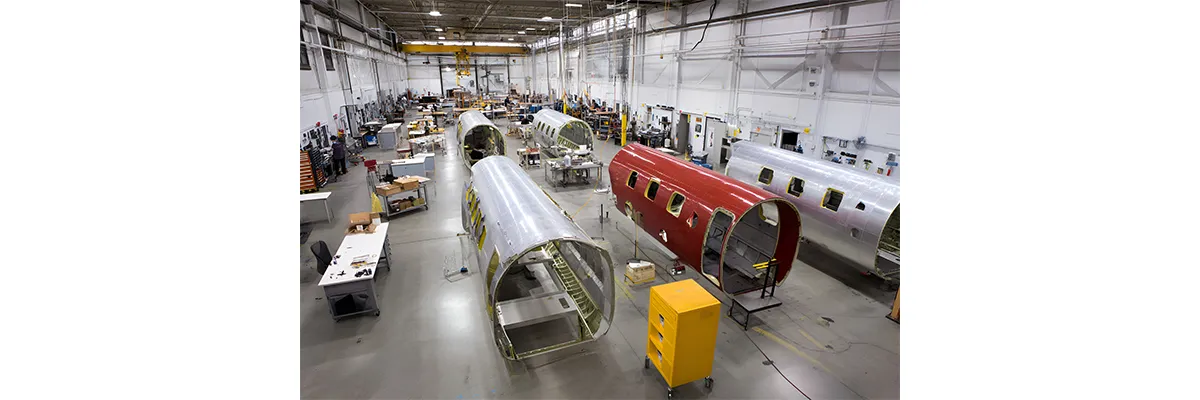
The demand for high-performance coatings, functional films, and nanoscale TiO₂ continues to grow across automotive, construction, and electronics sectors. With sustainability and efficiency becoming central concerns, tetrabutyl titanate is increasingly used in:
Eco-friendly coatings: Low-VOC, waterborne formulations benefit from titanium alkoxides as crosslinkers and surface modifiers.
Nanotechnology: TiO₂ nanoparticles derived from tetrabutyl titanate find applications in photocatalysis, self-cleaning surfaces, and solar energy devices.
Advanced functional pigments: Customized TiO₂ particles enable coatings with enhanced brightness, UV resistance, and durability.
These trends highlight the ongoing importance of Tetrabutyl Titanate (5593-70-4) in industrial applications and underscore the value of sourcing from reliable suppliers.
As a trusted Tetrabutyl Titanate supplier, we provide high-purity Titanium(IV) butoxide (CAS 5593-70-4), consistent quality, and competitive tetrabutyl titanate prices to meet the needs of manufacturers in titanium dioxide production and high-performance coatings. Our technical team is ready to assist with application guidance, process optimization, and customized solutions.
Whether you require Tetrabutyl titanate for TiO₂ synthesis, surface coatings, or specialty industrial applications, partnering with us ensures reliable supply, expert support, and cost-effective solutions. Contact us today to request a quote, order samples, or discuss your specific requirements—let us help you achieve optimal results with high-quality titanium butoxide.
In summary, Tetrabutyl Titanate—whether referred to as Titanium(IV) butoxide, Tetra-n-butyl orthotitanate, or Titanium butoxide—is indispensable for manufacturers of titanium dioxide and high-performance surface coatings. Its ability to control particle size, enhance coating properties, and enable functional modifications makes it a critical component in industrial processes.
Top Uses of Titanium Tetraisopropanolate (TTIP) in Modern Material Science
Titanium Tetraisopropanolate, also known as Titanium(IV) Isopropoxide, Titanium Tetraisopropoxide, or simply Titanium Isopropoxide, is a highly versatile titanium alkoxide compound with the chemical formula Ti[OCH(CH₃)₂]₄.
Its CAS number is 546-68-9 (commonly written as CAS No 546-68-9 or 546-68-9 CAS). This colorless to pale yellow liquid is one of the most widely used titanium precursors in chemistry and materials science today.
Due to its strong reactivity, high purity, and excellent solubility in organic solvents, Titanium Tetraisopropanolate plays a critical role in producing titanium dioxide (TiO₂), ceramics, coatings, and advanced nanomaterials. It easily undergoes hydrolysis and condensation reactions, forming titanium oxide networks that serve as the foundation for countless high-performance materials used in modern technology.
The sol-gel process is one of the most important applications of Titanium Tetraisopropanolate (CAS 546-68-9). This method allows the creation of high-purity oxide films and nanostructured coatings at relatively low temperatures.
When Titanium(IV) Isopropoxide is exposed to moisture or alcohol, it hydrolyzes and polymerizes to form titanium dioxide (TiO₂). This TiO₂ network forms the base of transparent, durable, and functional films that can be applied to various substrates such as glass, ceramics, and metals.
Key benefits of TTIP-based sol-gel films include:
These coatings are widely used in architectural glass, automotive windows, display panels, and anti-reflective lenses. Their photocatalytic TiO₂ surfaces can even decompose organic contaminants, providing self-cleaning and antibacterial effects under UV light.

One of the largest industrial uses of Titanium Tetraisopropanolate is as a precursor for titanium dioxide nanoparticles. The hydrolysis of TTIP produces ultra-fine TiO₂ powders with excellent crystallinity and uniform particle distribution.
Titanium dioxide made from Titanium Tetraisopropoxide exhibits:
These properties make TiO₂ indispensable in paints, plastics, sunscreens, cosmetics, and photocatalytic environmental purification systems. The controlled synthesis using Titanium(IV) Isopropoxide (CAS No 546-68-9) ensures consistent particle size and purity, critical for advanced performance coatings and catalysts.
Beyond materials science, Titanium Tetraisopropanolate is a key Lewis acid catalyst in organic chemistry. It is used to accelerate reactions such as:
In industrial applications, it serves as an intermediate for preparing other titanium alkoxides or mixed-metal oxides, which are used as catalysts in petrochemical refining and environmental protection technologies.
In advanced coatings, Titanium Tetraisopropoxide acts as a crosslinking agent and precursor for titanium oxide layers that enhance material durability and performance.
When incorporated into ceramic glazes or glass coatings, TTIP improves:
These coatings are found in heat-resistant glassware, optical components, display panels, and protective coatings for metal surfaces. Because the formula of titanium in TTIP provides strong Ti–O bonds, these films form a dense, stable network even under extreme conditions.

In the field of nanotechnology, Titanium(IV) Isopropoxide is used to fabricate nanocomposites, titania aerogels, and hybrid materials with tailored physical and chemical properties.
By controlling reaction parameters such as solvent type, pH, and temperature, researchers can fine-tune:
These titanium-based nanomaterials are applied in photocatalytic hydrogen generation, energy storage, battery electrodes, and solar cell technologies. The controlled hydrolysis of Titanium Tetraisopropanolate (546-68-9 CAS) enables consistent production of nanostructures critical for sustainable energy research.
Another valuable role of Titanium Tetraisopropanolate is as a surface modifier or adhesion promoter. The molecule can react with hydroxyl groups on glass, metal oxides, and other inorganic surfaces to form a stable Ti–O–substrate linkage.
This improves adhesion between inorganic materials and organic polymers, a key factor in:
The result is better interfacial bonding, enhanced corrosion resistance, and improved long-term performance of the coating or composite system.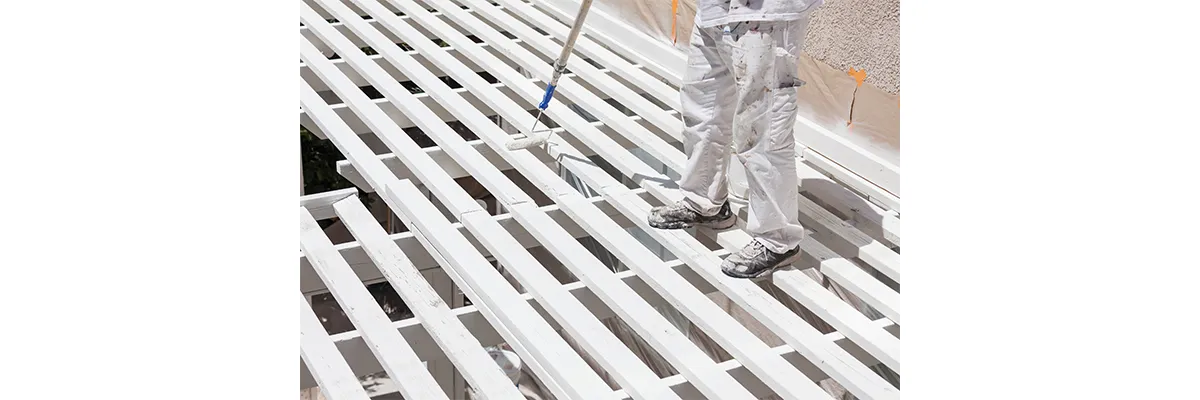
Titanium Isopropoxide is moisture-sensitive and should be handled in a dry, inert atmosphere such as nitrogen or argon. Exposure to air can cause premature hydrolysis and precipitation of titanium dioxide, reducing effectiveness.
When properly stored in sealed containers, Titanium Tetraisopropanolate (CAS No 546-68-9) remains stable for long periods.
As a professional Titanium Tetraisopropanolate (Titanium(IV) Isopropoxide, CAS 546-68-9) supplier, we understand that product consistency, purity, and reactivity are crucial to your success in material development and industrial production.
Our high-quality Titanium Tetraisopropanolate offers excellent stability, precise hydrolysis control, and reliable performance in a wide range of applications—from TiO₂ nanoparticle synthesis and catalysis to ceramic coatings, sol-gel processing, and surface treatment.
Whether you need Titanium Isopropoxide, Titanium Tetraisopropoxide, or other titanium alkoxide solutions, we can provide customized grades, technical support, and fast global delivery to meet your formulation and production needs.
Partner with us to ensure consistent quality and competitive supply of Titanium Tetraisopropanolate (CAS No 546-68-9) for your next innovation in advanced materials and coatings.
EDTA 2NA vs EDTA 4NA: What’s the Difference?
When it comes to chelating agents, EDTA 2NA and EDTA 4NA are two of the most widely used forms in industrial, cosmetic, and cleaning formulations. Both are salts of ethylenediaminetetraacetic acid (EDTA), but they differ in their chemical composition, pH behavior, and applications. Understanding these differences helps formulators and manufacturers choose the right grade for their needs.
As a professional EDTA 2NA supplier and EDTA 4NA supplier, we’ll help you clearly understand how to select between the two.
EDTA 2NA, also known as EDTA Disodium Salt Dihydrate (CAS number 6381-92-6), is a white crystalline powder widely used for its excellent chelating ability. It binds with metal ions such as calcium, magnesium, and iron, effectively preventing metal-catalyzed reactions and discoloration in various formulations.
Chemical name: Ethylenediaminetetraacetic acid disodium salt dihydrate
CAS No: 6381-92-6
Appearance: White crystalline powder
Solubility: Easily soluble in water
pH (1% solution): Approximately 4.0–6.0
Molecular formula: C₁₀H₁₄N₂Na₂O₈·2H₂O

Skincare and Personal Care Products – In cosmetics and shampoos, EDTA-2NA skincare grade helps stabilize formulations by binding with metal ions that can cause oxidation or color change.
Cleaning and Detergent Industry – Improves cleaning efficiency by softening water and enhancing surfactant performance.
Pharmaceuticals and Food Processing – Acts as a preservative enhancer and stabilizer.
Water Treatment – Used for removing heavy metal ions from solutions.
If you are looking for EDTA disodium salt dihydrate bulk supply, our factory provides consistent quality, competitive EDTA 2NA price, and customized packaging.
EDTA 4NA, also known as Tetrasodium EDTA Tetrahydrate (CAS 13235-36-4), is another salt form of ethylenediaminetetraacetic acid. It has higher alkalinity and solubility compared to EDTA 2NA, making it particularly suitable for formulations that require a higher pH range.
Chemical name: Ethylenediaminetetraacetic acid tetrasodium salt tetrahydrate
CAS No: 13235-36-4
Appearance: White crystalline powder or granule
pH (1% solution): 10.0–11.5
Solubility: Very soluble in water
Household and Industrial Cleaners – Excellent for alkaline formulations such as laundry detergents, degreasers, and dishwashing liquids.
Textile and Paper Industry – Used to remove metal ions that interfere with dyeing or bleaching.
Water Treatment – For controlling metal ion content in industrial water systems.
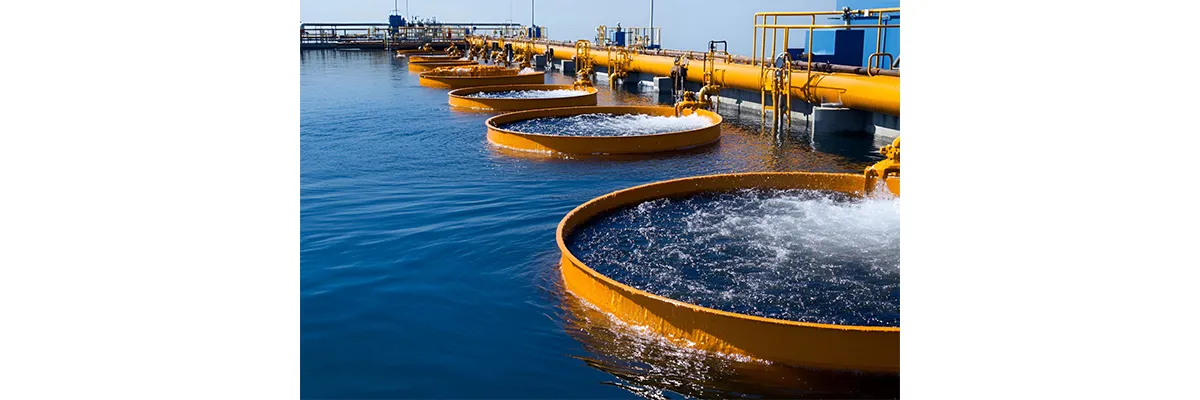
| Comparison | EDTA 2NA | EDTA 4NA |
| Full Name | EDTA Disodium Salt Dihydrate | EDTA Tetrasodium Salt Tetrahydrate |
| CAS Number | 6381-92-6 | 13235-36-4 |
| pH Range (1% Solution) | 4.0–6.0 | 10.0–11.5 |
| Solubility | Good | Excellent |
| Best for | Neutral or slightly acidic formulations (e.g., skincare) | Alkaline formulations (e.g., cleaners, detergents) |
| Typical Uses | Cosmetics, personal care, pharmaceuticals | Industrial cleaners, water treatment, detergents |
| Ionic Form | Partial neutralization (two sodium ions) | Fully neutralized (four sodium ions) |
For acidic to neutral systems (pH 4–7) → use EDTA-2NA.
For alkaline systems (pH 9–11) → use EDTA-4NA.
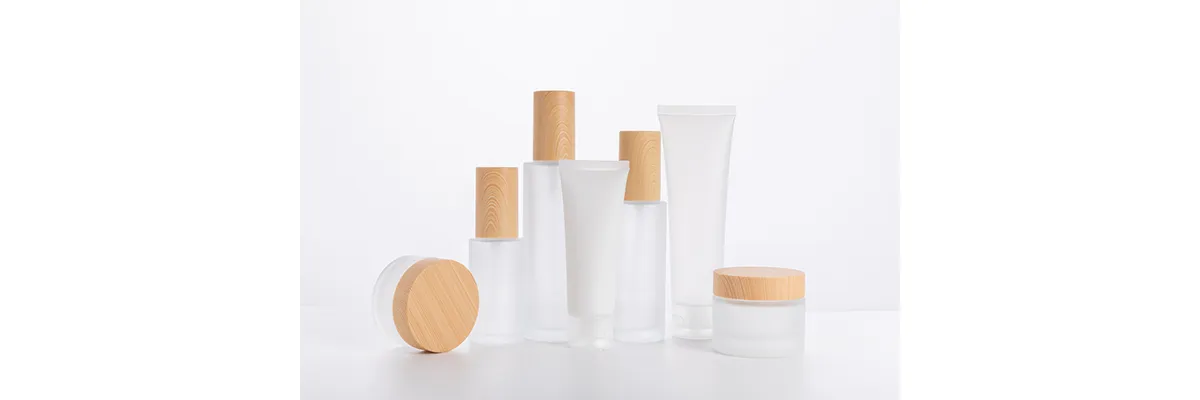
Both are water-soluble, but EDTA 4NA dissolves faster and more completely in high-pH formulations.
For cosmetic and skincare products, EDTA-2NA improves stability and prevents oxidation.
For industrial detergents or water treatment, EDTA-4NA provides superior metal chelation under alkaline conditions.
We provide EDTA 2NA and EDTA 4NA in bulk quantities, ensuring consistent quality, purity, and competitive pricing.
Packaging: 25kg bags or customized options
Grade: Industrial, Cosmetic, and Technical
Supply form: White crystalline powder
Origin: China
As a trusted EDTA 2NA supplier, we offer technical support and product samples for testing. Whether you need EDTA disodium salt dihydrate bulk or tetrasodium EDTA tetrahydrate, we can provide reliable supply to meet your production needs.
Both EDTA 2NA (CAS 6381-92-6) and EDTA 4NA (CAS 13235-36-4) are valuable chelating agents, but their performance depends on the formulation environment. Choose EDTA-2NA for cosmetics, skincare, and neutral pH systems.Choose EDTA-4NA for alkaline cleaners, detergents, and water treatment.As a professional manufacturer and exporter, we supply both EDTA Disodium Salt Dihydrate and Ethylenediaminetetraacetic acid Tetrasodium Salt, ensuring you always get the right grade for your specific application.
Sodium Isethionate: A Mild Surfactant for Personal Care Formulations
In the world of personal care, consumers are increasingly seeking products that are gentle, moisturizing, and environmentally friendly. One ingredient that meets all these expectations is Sodium Isethionate (CAS 1562-00-1) — also known as Isethionic Acid Sodium Salt or Sodium 2-Hydroxyethyl Sulfonate.
This mild surfactant is widely recognized for its creamy foam, smooth cleansing effect, and excellent skin compatibility, making it a key ingredient in modern shampoo bars, facial cleansers, and body washes.
As a professional Sodium Isethionate supplier, we aim to help formulators and manufacturers better understand this versatile material and use it effectively in high-quality personal care products.
Sodium Isethionate (CAS 1562-00-1) is a mild anionic surfactant derived from isethionic acid sodium salt. It comes in a white crystalline or granular form and dissolves easily in water. Its molecular structure combines cleansing power with skin-friendly characteristics, allowing it to remove impurities while maintaining the skin’s natural hydration.
Chemically, Sodium Isethionate is classified as sodium 2-hydroxyethyl sulfonate, offering a perfect balance between foam performance and low irritation — a rare combination that makes it ideal for use in sulfate-free and sensitive-skin formulations.
Sodium Isethionate provides multiple performance benefits for both formulators and end users:
Gentle and non-irritating: Suitable for sensitive skin and baby care products.
Rich, creamy foam: Produces a soft and luxurious lather that consumers love.
Good water solubility: Easily disperses in aqueous formulations.
Enhanced skin feel: Leaves a smooth, moisturized touch after rinsing.
Excellent biodegradability: Supports sustainable and eco-friendly product lines.
Versatile compatibility: Works well with amphoteric and nonionic surfactants, fatty acids, and conditioning polymers.
As a specialized supplier of Sodium Isethionate, we’ve supported many global brands in developing mild and high-performance formulations. Below are the most common and effective application areas for Sodium Isethionate (Isethionic Acid Sodium Salt):
Sodium Isethionate is a core ingredient in syndet bars, which are a modern alternative to traditional soap bars.
Unlike soap, syndet bars made with Sodium Isethionate have a lower pH (around 5.5–6.5), making them much gentler on the skin.
Benefits in syndet bars:
In commercial formulations, Sodium Isethionate is often combined with fatty acids (such as stearic acid or lauric acid) and mild co-surfactants (like SCI or betaine) to achieve an optimal balance between foam richness and skin comfort.
In shampoo formulations, Sodium Isethionate serves as a gentle primary or secondary surfactant. It effectively removes dirt and oil without stripping the scalp’s natural barrier.
Applications include:
Formulation advantages:
Works synergistically with conditioning agents like silicone emulsions, cationic polymers, or plant extracts for a balanced formula.

Sodium Isethionate’s excellent skin mildness makes it ideal for facial cleansers and body washes. It helps maintain the skin’s natural moisture barrier while effectively removing oil, makeup, and impurities.
Benefits for skincare applications:
When paired with other mild surfactants such as Cocamidopropyl Betaine or Disodium Lauroamphodiacetate, Sodium Isethionate offers a perfectly balanced cleansing experience — effective yet gentle.

Because of its exceptionally low irritation, Sodium Isethionate (1562-00-1) is frequently used in baby care formulations.
It ensures gentle cleansing without harming delicate skin.
Typical uses include:
It’s often recommended as part of dermatologically safe and hypoallergenic formulations.
Sodium Isethionate’s creamy foam and lubricating effect make it useful in men’s facial cleansers, shaving foams, and shaving creams.
It enhances foam stability and glide, providing a smoother shaving experience with less irritation.
In professional-grade formulations, Sodium Isethionate is used in cosmeceutical cleansers where low irritation and stable foam are essential.
It can also serve as a base surfactant in medicated washes or prescription skincare products that require mild yet effective cleansing.
As an experienced Sodium Isethionate supplier, we provide:
We work closely with our partners to ensure each batch of Sodium Isethionate (Isethionic Acid Sodium Salt) meets exact formulation requirements and provides consistent results in production.
Sodium Isethionate (CAS 1562-00-1) — also known as Isethionic Acid Sodium Salt or Sodium 2-Hydroxyethyl Sulfonate — has redefined what it means to formulate a mild yet high-performing cleanser. Its balance of gentle cleansing, luxurious foam, and excellent compatibility makes it an essential ingredient in today’s personal care market.
If you’re developing new personal care formulations or looking for a trusted Sodium Isethionate supplier, our team is ready to provide technical guidance, samples, and reliable supply solutions to support your business success.
Applications of Dipropylene Glycol Dimethyl Ether in Paints, Inks, and Cleaners
Dipropylene Glycol Dimethyl Ether (DPGDME, CAS 111109-77-4) is a high-performance, low-odor solvent widely used in industrial formulations. Known for its excellent solvency power, controlled evaporation rate, and compatibility with a wide range of resins and additives, it plays a critical role in the production of paints, inks, and cleaning formulations.
As a professional Dipropylene Glycol Dimethyl Ether supplier in China, we understand what industrial users care about most — stable purity, consistent supply, and high formulation efficiency. Below, we’ll explore the key properties and major applications of DPGDME and explain why it’s becoming an essential ingredient in many modern industries.
Dipropylene Glycol Dimethyl Ether, often abbreviated as DPGDME or DPDME, is a glycol ether with the chemical formula C8H18O3. It is a colorless, low-viscosity, and low-odor liquid that provides excellent solvency for both polar and non-polar substances. Its moderate evaporation rate and low toxicity make it a preferred alternative to traditional glycol ethers.
DPGDME stands out due to its balanced solvency and environmental performance, making it suitable for diverse applications.
Main characteristics:
In the paint and coating industry, Dipropylene Glycol Dimethyl Ether plays several essential roles as a coalescent agent, flow modifier, and co-solvent. Its balanced evaporation rate and excellent compatibility with polymers make it suitable for both waterborne and solvent-based formulations.
DPGDME assists in the coalescence of polymer particles, enabling smooth and uniform film formation after water evaporation. This is particularly beneficial in acrylic emulsion paints, latex coatings, and PU-based systems, where DPGDME helps improve adhesion and mechanical strength.
Due to its strong solvency, DPGDME promotes better pigment wetting and dispersion, ensuring consistent color development and preventing issues such as pigment floating or flocculation. The result is brighter, more stable, and uniform color in finished coatings.
DPGDME has a moderate evaporation rate, which allows coatings to dry evenly without brush marks or cracks. It enhances flow and leveling, especially in high-gloss and industrial coatings where surface smoothness is critical.
Compared with conventional glycol ethers, DPGDME emits fewer volatile organic compounds (VOCs) and has a much lower odor. This makes it ideal for eco-friendly coatings that need to comply with environmental standards like REACH and RoHS.
In summary, DPGDME helps coating formulators achieve:
Printing inks require solvents that balance drying speed, pigment dispersion, and print quality. DPGDME meets these needs effectively, providing precise control over ink flow and film formation on various substrates.
DPGDME can dissolve a wide range of resins such as acrylic, epoxy, and polyurethane, forming stable ink bases. It ensures smooth printing performance and prevents clogging in gravure, flexographic, and inkjet systems.
By enhancing pigment wetting, DPGDME produces deeper and more vivid colors. It also improves gloss and ink transfer during high-speed printing, helping achieve sharper and more consistent images.
DPGDME’s balanced evaporation rate allows for rapid yet controlled drying, reducing defects like “blocking” or smudging. It also enhances adhesion between the ink and substrate, whether on paper, film, or plastic.
Unlike some fast-evaporating solvents, DPGDME produces minimal odor and lower toxicity, improving operator comfort and safety in printing environments.
DPGDME is widely used in:
Dipropylene Glycol Dimethyl Ether solvent is also a powerful ingredient in cleaning chemicals due to its excellent solvency for oils, greases, resins, and flux residues. Its low surface tension enables deep penetration and efficient removal of contaminants.
DPGDME is widely used in metal degreasers, precision cleaning solutions, and electronic component cleaning. It dissolves tough industrial residues like lubricants, inks, and polymer films without damaging sensitive materials.
In paint stripping formulations, DPGDME acts as a mild, effective alternative to strong solvents such as methylene chloride. It softens and dissolves coatings for easy removal, while remaining safer for both users and the environment.

Thanks to its low odor and low toxicity, DPGDME is often used in multi-purpose household cleaners, glass cleaners, and hard-surface cleaners. It provides excellent cleaning results without streaking or residue.
DPGDME is compatible with surfactants, alcohols, and other glycol ethers. It can be used in both aqueous and solvent-based formulations, making it highly versatile. Its low flammability and biodegradability further enhance its appeal in sustainable product development.
As a professional China Dipropylene Glycol Dimethyl Ether manufacturer and supplier, we provide high-purity DPGDME (≥99.0%) designed to meet industrial-grade performance and consistency requirements.
Our strengths include:
Whether you’re formulating coatings, inks, or cleaners, we can help you select the right solvent grade and supply stable, high-performance materials for long-term production needs.
Dipropylene Glycol Dimethyl Ether (DPGDME) is a multifunctional and environmentally friendly solvent that delivers excellent performance across paints, inks, and cleaning formulations. With its strong solvency, moderate evaporation rate, and low odor, DPGDME helps manufacturers achieve smoother coatings, brighter inks, and more efficient cleaning systems — all while meeting modern environmental and safety standards.
As a professional China Dipropylene Glycol Dimethyl Ether supplier, we are committed to providing high-purity DPGDME (≥99.0%) and technical support to help customers optimize their formulations and production processes. Whether you need a reliable solvent for industrial coatings, printing applications, or precision cleaning, our DPGDME offers the right balance of performance, safety, and sustainability.
Choose a trusted partner for your next formulation — contact us today to learn more about our Dipropylene Glycol Dimethyl Ether CAS 111109-77-4 and request a quotation or sample for your specific industrial needs.
Why 1 Decanol is a Key Raw Material for Surfactant Production
1 Decanol (also known as n-Decyl Alcohol, CAS 112-30-1) is a long-chain fatty alcohol with the chemical formula C10H22O. It is a colorless to slightly viscous liquid with a mild odor and excellent solvency properties. With a purity level such as 1-Decanol 99%, this compound is widely used as an essential raw material in surfactant, emulsifier, plasticizer, and lubricant production.
As a trusted 1-Decanol supplier, we understand that customers in the chemical, detergent, and cosmetics industries rely on consistent purity and performance. That’s why choosing a high-quality 1 Decanol CAS 112-30-1 from a reliable manufacturer is crucial to ensure stable product formulations and efficiency.

| Property | Description |
| Chemical Name | 1-Decanol / n-Decyl Alcohol |
| CAS Number | 112-30-1 |
| Molecular Formula | C10H22O |
| Molecular Weight | 158.28 g/mol |
| Appearance | Colorless or light-yellow liquid |
| Boiling Point | 232°C |
| Solubility | Insoluble in water, soluble in organic solvents |
| Odor | Mild fatty alcohol smell |
These characteristics make 1-Decanol an ideal intermediate for the synthesis of nonionic and anionic surfactants.
Surfactants are compounds that lower the surface tension between liquids or between a liquid and a solid. 1 Decanol (CAS No. 112-30-1) plays a vital role in their production due to its long hydrophobic chain and reactive hydroxyl group.
In the manufacture of ethoxylated alcohols, 1-Decanol reacts with ethylene oxide to produce Decyl Alcohol Ethoxylates (DAE) — a key nonionic surfactant type. These surfactants are commonly used in detergents, textile processing, and personal care formulations because of their excellent cleaning power and low foaming properties.
1 Decanol can also be converted into sulfated or sulfonated derivatives, forming anionic surfactants that exhibit strong detergency and high solubility in water. They are used widely in household cleaning products, shampoos, and dishwashing liquids.
Thanks to its balanced hydrophobic and hydrophilic structure, n-Decyl Alcohol is a preferred intermediate for emulsifiers used in coatings, agricultural chemicals, and oilfield formulations.
Beyond surfactants, 1 Decanol is used in a wide range of industries:
Plasticizers and Lubricants: Acts as a base for synthetic esters that improve flexibility and reduce friction.
Cosmetics and Personal Care: Used as a viscosity modifier and emollient in creams, lotions, and hair conditioners.
Flavor and Fragrance Industry: Provides a mild, waxy note used in perfumes and aromatic compounds.
Chemical Intermediate: Serves as a raw material in the production of decanoic acid, decyl acetate, and other specialty chemicals.
The decanol price can fluctuate based on global fatty alcohol supply chains, raw material costs (especially from natural oils and petrochemical feedstocks), and production technology.
For bulk buyers and formulators, working with a reliable 1 Decanol manufacturer ensures price stability, consistent quality, and supply security.
As an experienced 1-Decanol supplier, we offer:
High-purity 1-Decanol 99% meeting industrial and cosmetic-grade requirements.
Flexible packaging and delivery solutions.
Technical support for surfactant and formulation optimization.
Consistent Quality Control – Every batch is tested for purity, moisture, and acidity to ensure stability in downstream reactions.
Customization Support – We provide tailored grades for surfactant manufacturers, detergent formulators, and cosmetic producers.
Competitive Decanol Price – Direct factory supply ensures cost efficiency without compromising on quality.
Global Export Experience – We serve clients across Asia, Europe, and the Middle East with timely delivery and documentation support.
1-Decanol (CAS No. 112-30-1) is far more than just a chemical compound — it’s a cornerstone material in surfactant chemistry, enabling the creation of effective detergents, emulsifiers, and personal care products. For manufacturers seeking reliable supply, technical consistency, and cost efficiency, partnering with a professional 1-Decanol supplier is key to maintaining competitiveness in today’s global chemical market.
1-MCP: The Key to Extending Freshness in Fruits and Vegetables
In today’s global fruit and vegetable supply chain, freshness means everything. Whether you are a grower, exporter, distributor, or retailer, the ability to maintain product quality after harvest directly affects your business reputation and profits. That’s where 1-MCP (1-Methylcyclopropene, CAS 3100-04-7) comes in — a smart solution that helps keep fruits and vegetables fresh longer, reduces spoilage, and preserves market value.
As a professional 1-Methylcyclopropene supplier, we provide high-quality 1-MCP powder with consistent purity and reliable performance, helping our clients achieve better preservation results and longer shelf life across global markets.
1-MCP, or 1-Methylcyclopropene, is a synthetic compound that plays a crucial role in controlling the ripening process of fruits, vegetables, and flowers. It works by temporarily blocking the plant’s ethylene receptors — ethylene being the natural gas that accelerates ripening and aging.
Chemically identified as CAS 3100-04-7, 1-MCP is a colorless and odorless compound. In practice, it is formulated into 1-MCP powder, which can be easily released as gas in storage rooms, cold chambers, or packaging areas. It is non-toxic, residue-free, and safe for both people and the environment.
This innovative technology is widely used by post-harvest facilities, logistics companies, and produce exporters to keep their products fresh and appealing for longer.
After harvest, fruits and vegetables continue to produce ethylene gas, which triggers a series of biochemical reactions leading to softening, color change, and eventual spoilage. 1-MCP acts as a competitive inhibitor that binds strongly to the ethylene receptors in the plant tissue, blocking the action of ethylene.
By doing so, it slows down the ripening process, allowing fruits and vegetables to stay firm, colorful, and flavorful for a longer period. This gives growers and exporters a longer selling window, reduces transportation losses, and ensures the product arrives at its destination in prime condition.

Our 1-MCP powder is designed for flexible use across multiple post-harvest applications:
Fruit storage and shipping – Used for apples, bananas, kiwis, avocados, and mangoes to maintain firmness and delay ripening.
Vegetable preservation – Keeps leafy greens, broccoli, and cucumbers fresh and green for longer.
Cut flower treatment – Extends the vase life and visual quality of ornamental flowers.
Export and long-distance logistics – Ideal for exporters who need to maintain quality through long transportation and customs clearance times.
Because of its broad compatibility and non-residual nature, 1-MCP is now a standard solution for post-harvest management in many countries.

Customers choose 1-MCP because it delivers both technical and economic advantages:
Longer shelf life – Slows ripening, softening, and decay, keeping products marketable longer.
Reduced loss – Minimizes spoilage during transport and cold storage.
Improved product appearance – Helps maintain natural color, texture, and firmness.
Flexible use – Suitable for various fruits, vegetables, and flowers.
Safe and eco-friendly – No harmful residues; approved for use in many regions worldwide.
Better profit margin – More time for marketing and reduced waste means higher returns for producers and distributors.

This simple process can significantly extend freshness without complex equipment or technical barriers.
As a trusted 1-Methylcyclopropene supplier, we understand what customers care about most — quality, stability, safety, and technical support. Our 1-MCP products are produced under strict quality control systems to ensure consistent release performance and purity.
We support large-scale commercial preservation, providing guidance on dosage, environmental control, and safety management. Our 1-MCP powder can be customized for different application needs — whether for fresh produce exporters, cold chain operators, or food processing companies.
When you’re searching online for 1-MCP buy options, it’s important to choose a supplier with real technical expertise and reliable delivery. We provide:
1-MCP is safe when used as directed. It leaves no chemical residues on fruits or vegetables and does not affect taste or nutritional value. Because it only temporarily blocks ethylene receptors, normal ripening resumes once the treatment effect wears off. This makes it an environmentally responsible choice for post-harvest preservation.
1-MCP (1-Methylcyclopropene, CAS 3100-04-7) has transformed the way the agricultural industry handles fresh produce. It helps businesses reduce waste, maintain quality, and enhance competitiveness in a demanding global market.
If you’re looking for high-quality 1-MCP powder or a reliable 1-Methylcyclopropene supplier, we are here to support your needs with proven products and professional technical service.
Contact us today to learn how our 1-MCP solutions can help extend the freshness and value of your fruits, vegetables, and flowers.
Glyoxylic Acid in Cosmetics: A Key Ingredient for Hair Straightening and Skin Care
Glyoxylic Acid (CAS 298-12-4) is an important organic compound that plays a versatile role in both the cosmetic and chemical industries. Known for its mild reactivity and functional versatility, it is widely used in hair straightening treatments, skincare formulations, and as a chemical intermediate in various products. In recent years, Glyoxylic Acid has gained attention as a safer alternative to formaldehyde in hair smoothing systems, making it a preferred choice among cosmetic chemists and professional stylists.
Glyoxylic Acid is a colorless to pale yellow liquid with the chemical formula C₂H₂O₃. It is usually available as a Glyoxylic Acid 50% solution, which provides excellent stability and easy handling in industrial and cosmetic applications. This compound has both aldehyde and carboxylic acid functional groups, allowing it to react with various organic compounds and modify the structure of keratin proteins in hair.
In commercial use, Glyoxylic Acid solution is often chosen for its balance of performance, safety, and compatibility with other cosmetic ingredients.
One of the most common cosmetic applications of Glyoxylic Acid is in hair smoothing and straightening products. Traditional keratin treatments often rely on formaldehyde or its derivatives, which can cause irritation and potential health risks. In contrast, Glyoxylic Acid for hair provides a gentler alternative with impressive smoothing effects.
When heated during the hair treatment process, Glyoxylic Acid in hair products reacts with the amino groups in hair keratin, helping to reorganize and seal the structure of the hair shaft. This process smooths frizz, reduces curl, and enhances shine—without the harsh smell or irritation of formaldehyde-based formulas.
Many professional hair care brands now formulate glyoxylic acid-based hair straighteners to meet growing consumer demand for safer, eco-conscious beauty products.

Beyond hair care, Glyoxylic Acid also appears in skincare formulations. It acts as a mild exfoliating and pH-adjusting agent, helping to remove dead skin cells and promote skin renewal. Its gentle acidity makes it suitable for facial creams, lotions, and cleansing gels, especially in controlled concentrations.
When formulated correctly, Glyoxylic Acid solution helps maintain the skin’s natural moisture balance while improving texture and radiance—offering a subtle rejuvenating effect without strong irritation.

Most Glyoxylic Acid suppliers offer the product as a 50% aqueous solution, balancing concentration and safety. This form is ideal for formulating cosmetic and personal care products, as it provides good solubility, reactivity, and handling properties.
Manufacturers can use Glyoxylic Acid 50% directly in formulations for hair straightening creams, shampoos, or lotions. It is also compatible with conditioning agents, surfactants, and stabilizers commonly used in cosmetic systems.

In addition to cosmetics, Glyoxylic Acid (CAS 298-12-4) serves as an essential intermediate in the synthesis of various fine chemicals, pharmaceuticals, and aroma compounds. It’s widely used in the production of vanillin, allantoin, and diphenolic acid, among others. The compound’s dual functional groups make it a valuable building block for both organic and polymer chemistry applications.
The glyoxylic acid price may vary depending on purity, concentration (typically 50%), and order quantity. Industrial-grade materials are usually more affordable, while cosmetic-grade solutions must meet stricter purity and stability standards.
As demand continues to grow in the cosmetic, pharmaceutical, and fine chemical sectors, many glyoxylic acid suppliers are expanding production capacities to ensure stable supply and competitive pricing.
When selecting a glyoxylic acid supplier, it is important to prioritize companies that offer consistent quality, reliable purity control, and stable packaging. A trustworthy supplier ensures that glyoxylic acid 50% solution meets safety standards required for cosmetic and industrial applications.
As a glyoxylic acid supplier, Unilong provides high-quality glyoxylic acid to help you achieve reliable product performance.Whether for hair smoothing formulations, skincare products, or chemical synthesis.
Glyoxylic Acid has become a game-changing ingredient in the cosmetics industry, providing safe and effective benefits for both hair and skin. As a formaldehyde-free alternative, it enables smooth, shiny, and healthy-looking hair while maintaining environmental and user safety.
With its growing applications and stable market availability, Glyoxylic Acid solution continues to be one of the most valuable raw materials for modern cosmetic innovation.
Why DMP-30 is Widely Used in Coatings, Adhesives, and Composites
DMP-30, also known as Tris(dimethylaminomethyl)phenol (CAS 90-72-2), is a highly efficient tertiary amine compound that serves as an accelerator and curing agent in a wide range of chemical formulations. With its strong catalytic activity, thermal stability, and compatibility with different resin systems, DMP-30 plays a crucial role in the performance and durability of coatings, adhesives, and composite materials.
Whether used in epoxy resin curing, polyurethane foams, or high-performance industrial coatings, DMP-30 ensures faster curing, improved crosslinking, and enhanced mechanical strength. This article explores why Tris(dimethylaminomethyl)phenol has become an indispensable component in modern material science and why many DMP-30 manufacturers and Tris(dimethylaminomethyl)phenol suppliers continue to expand its global use.
As a professional DMP-30 manufacturer and Tris(dimethylaminomethyl)phenol supplier, we provide high-purity products with consistent quality to meet the needs of different industrial applications.
DMP-30 is a tertiary amine-based phenolic compound with the chemical formula C15H27NO3 and CAS 90-72-2. It appears as a pale-yellow to light brown liquid with a mild amine odor.
It combines the characteristics of an organic amine catalyst and a phenolic stabilizer, making it a multifunctional additive in polymer systems.
High catalytic activity for epoxy and polyurethane curing reactions.
Excellent thermal and chemical stability.
Good solubility in epoxy resins, polyols, and solvents.
Promotes uniform crosslinking and hardness development.
Provides long pot life and controlled curing rate.
In the coatings industry, DMP-30 acts as an accelerator that promotes epoxy curing reactions, improving coating hardness, adhesion, and chemical resistance.
It is widely used in:
Industrial protective coatings
Marine and floor coatings
High-solids and powder coatings
By accelerating the curing rate, Tris(dimethylaminomethyl)phenol helps achieve a smoother film surface and excellent long-term gloss retention.
In epoxy adhesives, DMP-30 improves bonding strength and curing efficiency, ensuring reliable adhesion between metals, plastics, ceramics, and composites.
It’s used in:
Structural adhesives for automotive and aerospace
Electrical and electronic encapsulants
Construction bonding and repair systems
Its catalytic efficiency makes it ideal for high-performance adhesive formulations where both fast curing and durability are essential.
Tris(dimethylaminomethyl)phenol is also an important accelerator in epoxy composite and electrical casting systems.
It enhances resin curing depth, reduces internal stress, and ensures dimensional stability in finished parts.
Typical applications include:
Electrical potting and insulation materials
Fiber-reinforced composites
Resin transfer molding (RTM) systems
Because of its high catalytic activity, DMP-30 ensures consistent curing throughout thick sections and complex structures.

In polyurethane (PU) foams, DMP-30 functions as a co-catalyst to regulate the reaction between polyol and isocyanate.
It enhances foam cell uniformity, mechanical strength, and dimensional stability.
This makes it a valuable additive in rigid foams, insulation materials, and flexible foams used in furniture and packaging.
Fast Curing: Accelerates epoxy crosslinking without sacrificing pot life.
Excellent Mechanical Strength: Improves tensile, flexural, and adhesion properties.
Thermal & Chemical Stability: Ensures long-lasting protection in harsh environments.
Wide Compatibility: Works well with different curing systems and resin types.
DMP-30 is generally added at 0.5–3% by weight of the total resin system, depending on formulation and required curing speed.
It can be used alone or in combination with other curing agents such as polyamines, anhydrides, or imidazoles.
To ensure stability and reactivity, store DMP-30 in a tightly closed container at room temperature and avoid exposure to moisture or strong acids.
As a trusted DMP-30 manufacturer and Tris(dimethylaminomethyl)phenol supplier, we provide high-quality materials that ensure consistent performance in your formulations.
Our CAS 90-72-2 DMP-30 is available in industrial-grade and high-purity versions, suitable for coatings, adhesives, composites, and polyurethane applications.
Our Advantages:
Strict quality control and batch consistency
Technical support for customized formulations
Global export service with competitive pricing
Fast delivery and flexible packaging options
We are committed to helping our customers optimize their product performance with reliable and efficient Tris(dimethylaminomethyl)phenol (DMP-30) solutions.
DMP-30 (Tris(dimethylaminomethyl)phenol, CAS 90-72-2) has become a cornerstone additive in modern polymer chemistry.
Its unique combination of catalytic efficiency, stability, and versatility makes it ideal for coatings, adhesives, and composites applications.
As industries continue to pursue higher performance materials, the role of DMP-30 will only become more essential — supported by reliable DMP-30 manufacturers and global Tris(dimethylaminomethyl)phenol suppliers dedicated to consistent quality and innovation.
How Sodium Stannate is Used in Coatings, Ceramics, and Chemical Industries
Sodium Stannate (also known as Sodium Hexahydroxostannate or Sodium stannate trihydrate, CAS 12027-70-2 / 12209-98-2) is a highly versatile industrial chemical widely used in coatings, ceramics, and chemical manufacturing. Its exceptional water solubility, chemical stability, and functional properties make it an essential additive and intermediate in modern industrial processes.
As a professional supplier, we provide high-quality sodium stannate to help manufacturers achieve consistent product performance, optimize production efficiency, and reduce operational risks.
Sodium Stannate is an inorganic compound consisting of tin and sodium. Its unique chemical properties make it highly soluble in water and stable under a wide range of industrial conditions. These characteristics allow it to be used as a catalyst, stabilizer, or functional additive in numerous applications.
Key Properties of Sodium Stannate:
Excellent water solubility for easy processing and integration.
High chemical stability under normal industrial conditions.
Compatibility with various industrial additives and formulations.
Functions effectively as a catalyst, stabilizer, or processing aid.
Because of its stability and versatility, sodium stannate has become a preferred choice for manufacturers seeking reliable, easy-to-use, and high-performance chemical additives.
In coatings, sodium stannate is highly valued for improving adhesion, corrosion resistance, and durability of paints and primers. It can serve as a catalyst in resin formulations, a stabilizer for pigments, and a protective additive for metal surfaces.
A manufacturer of industrial metal primers used sodium stannate trihydrate to improve rust resistance and adhesion on steel surfaces. After incorporating this product, the primer exhibited 20% longer corrosion protection and a smoother finish, demonstrating its practical industrial value.

In ceramics, sodium stannate is widely applied in glazes, colorants, and decorative coatings. It improves gloss, enhances color consistency, and increases the durability of ceramic surfaces. Its chemical stability ensures minimal unwanted reactions with other glaze ingredients.
A tile manufacturer incorporated Sodium Hexahydroxostannate into their ceramic glaze formulations. The result was higher gloss and reduced surface cracks, increasing production yield by 15% and improving overall product quality.
In chemical manufacturing, sodium stannate is commonly used as an intermediate in tin-based chemical synthesis or as a catalyst in industrial reactions. Its solubility and stability make it suitable for precise chemical processes requiring controlled reaction conditions.

Using sodium stannate in industrial applications provides multiple benefits:
High Purity and Consistency – Ensures predictable chemical behavior, essential for coatings, ceramics, and chemical reactions.
Excellent Water Solubility – Easy to dissolve and integrate into formulations, saving time and reducing residues.
Versatility – Can be used as a catalyst, stabilizer, or additive across multiple industries.
Improved Production Efficiency – Reduces errors, waste, and downtime in manufacturing processes.
Enhanced Product Quality – Contributes to more uniform coatings, glazes, and chemical products.
By selecting high-quality sodium stannate, manufacturers can enhance production reliability, product performance, and operational efficiency.
Although sodium stannate is chemically stable, proper handling ensures both safety and product integrity:
Store in a cool, dry, and well-ventilated area.
Avoid direct contact with skin and eyes; use protective equipment as needed.
Follow local regulations for chemical storage and disposal.
Minimize exposure to moisture to maintain product stability.
These precautions ensure safe use and maintain the product’s effectiveness in industrial applications.
Q1: What industries commonly use sodium stannate?
Coatings, ceramics, chemical manufacturing, electroplating, and specialty chemical production.
Q2: How does sodium stannate improve coatings and glazes?
It enhances adhesion, corrosion resistance, surface gloss, and color consistency, reducing defects and extending product life.
Q3: How should sodium stannate be stored for long-term use?
In sealed containers, away from moisture and heat, to maintain stability and solubility.
Q4: Can sodium stannate help reduce production waste?
Yes, its high purity and stability improve batch-to-batch consistency, reducing errors and material waste.
Sodium Stannate, also known as Sodium Hexahydroxostannate or Sodium stannate trihydrate, is an essential industrial chemical for coatings, ceramics, and chemical industries. Its stability, solubility, and versatility make it an indispensable additive and intermediate in multiple manufacturing processes.
Unilong as a reliable supplier ensures consistent quality, technical support, and optimized production outcomes. By incorporating sodium stannate into coatings, glazes, or chemical processes, manufacturers can enhance product quality, improve efficiency, and achieve superior results in industrial production.
What is Hydroxypropyl Cellulose?
Hydroxypropyl cellulose (HPC) is a highly versatile, water-soluble derivative of cellulose, widely used in pharmaceuticals, food, and industrial applications. Recognized by its CAS number 9004-64-2, HPC is supplied as a fine, white powder, making it easy to handle, mix, and incorporate into various formulations.
As a professional hydroxypropyl cellulose supplier, we provide high-quality HPC suitable for a wide range of applications, helping our customers improve product performance, stability, and safety. Whether you are producing tablets, food products, coatings, or personal care formulations, HPC offers unique advantages that make it an essential ingredient.

From a manufacturer’s perspective, HPC solves several common formulation challenges:
HPC acts as a stabilizer and thickener, ensuring that formulations remain consistent over time. For example, in beverages or sauces, it prevents phase separation and maintains smooth texture (hydroxypropyl cellulose in food). In pharmaceutical tablets, it helps bind ingredients evenly, avoiding crumbling or inconsistent dosage (hydroxypropyl cellulose in tablets, hydroxypropyl cellulose ingredients).
HPC is non-toxic, biodegradable, and approved for use in both food and pharmaceutical products (hydroxypropyl cellulose safe). This gives manufacturers confidence that their products meet regulatory standards without compromising safety.
3. Versatility Across Industries
Its unique chemical structure allows HPC to function as a binder, film-former, emulsifier, and thickener (hydroxypropyl cellulose uses). Whether you are formulating a fast-dissolving tablet, a creamy cosmetic, or a smooth industrial coating, HPC can adapt to the requirements.
HPC’s powdery form simplifies weighing, mixing, and dispersion. Unlike some other excipients or stabilizers, it can be incorporated directly into water or certain organic solvents (hydroxypropyl cellulose solubility), saving time and reducing processing complexity.
HPC is mainly supplied as a powder, but different types cater to specific customer needs:
This type is ideal for general applications in pharmaceuticals, food, and industrial products. It dissolves quickly in water and organic solvents, providing smooth viscosity and reliable binding performance (Hydroxypropyl Cellulose HPC).
L-HPC has a lower degree of hydroxypropyl substitution, which affects its solubility and swelling behavior. In pharmaceuticals, this property makes it excellent as a tablet disintegrant or for controlled-release formulations. L-HPC swells in water but dissolves slowly, allowing precise control over how tablets release their active ingredients, improving efficacy and patient compliance.
As a hydroxypropyl cellulose supplier, we provide both types in consistent quality, with options for customization to meet unique formulation requirements. Customers can easily buy hydroxypropyl cellulose that matches their specific application needs.
HPC is a critical excipient for modern tablet and capsule formulations. It acts as a binder, holding ingredients together for uniform tablets. In controlled-release tablets, HPC regulates how quickly the active drug is released, helping manufacturers create products with predictable pharmacokinetics. L-HPC, with its low substitution, is particularly effective in disintegrating tablets quickly after ingestion while maintaining structural integrity during production.
HPC serves as a multifunctional additive in food. It stabilizes sauces, beverages, desserts, and dairy products, maintaining texture and consistency even during storage. Its non-toxic and food-safe nature ensures that manufacturers can enhance product quality without compromising consumer safety (hydroxypropyl cellulose in food).
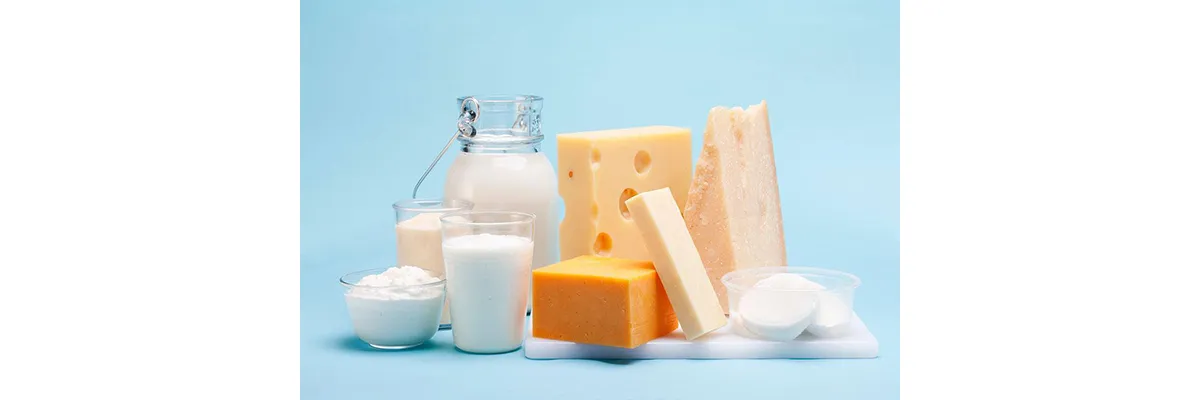
In coatings, adhesives, cosmetics, and skincare, HPC improves viscosity, stabilizes emulsions, and creates smooth, spreadable formulations. For example, in lotions and creams, HPC ensures that water and oil components remain uniformly mixed, preventing separation over time. In paints and coatings, it enhances flow, leveling, and film formation, improving overall product performance.

HPC dissolves in water and some organic solvents.
Storage: Keep in a dry, cool place to prevent moisture absorption.
Dispersion: Gradually add HPC to the liquid while stirring to avoid clumps.
Processing: Use appropriate mixing techniques to achieve a uniform solution (hydroxypropyl cellulose solubility).
Following these best practices ensures that HPC performs reliably, whether used in tablets, foods, or industrial formulations.
Selecting a reliable hydroxypropyl cellulose supplier is essential for consistent product quality and formulation success. Key considerations for customers include:
Consistent Quality: High-grade HPC ensures predictable performance in all applications.
Technical Support: Expert guidance on solubility, handling, and application helps avoid formulation errors.
Flexible Supply: Availability of both standard HPC and L-HPC, with customization options for special requirements.
Competitive Pricing and Reliable Delivery: Ensures smooth production and supply chain management.
As a trusted supplier, we help customers buy hydroxypropyl cellulose with confidence, providing both quality materials and practical support throughout the manufacturing process.
Hydroxypropyl cellulose is a safe, versatile, and easy-to-use ingredient with broad applications in pharmaceuticals, food, and industrial products. Its powdery form, excellent solubility, and functional versatility make it ideal for manufacturers seeking reliable performance. From standard HPC to L-HPC, our high-quality products ensure consistency, stability, and regulatory compliance. By choosing us as your hydroxypropyl cellulose supplier, you gain not only premium materials but also expert support to optimize your formulations and meet customer demands.
EMK Photoinitiator CAS 90-93-7: Essential for UV-Curable Coatings and Inks
In the rapidly evolving world of UV-curable coatings and inks, the choice of photoinitiator can make all the difference. EMK Photoinitiator (CAS 90-93-7) has emerged as a highly efficient solution for manufacturers looking to achieve faster curing, superior adhesion, and enhanced performance in their coatings and inks. Its unique chemical properties allow it to absorb UV light and generate reactive radicals that trigger rapid polymerization, making it indispensable for a wide range of industrial applications.
Whether you are producing high-gloss furniture coatings, protective automotive layers, or UV-curable inks for printing, understanding the role and benefits of EMK Photoinitiator can help optimize your production process and improve the final product quality.
EMK Photoinitiator (CAS 90-93-7), also known as 4,4′-Bis(diethylamino) benzophenone, is a highly efficient photoinitiator widely used in the UV-curable coatings and inks industry. As a photoinitiator, EMK absorbs UV light and generates reactive radicals, which initiate rapid polymerization of resins. This makes it indispensable for manufacturers seeking faster curing times, superior adhesion, and enhanced surface properties.
Also referred to as photoinitiator EMK.
EMK Photoinitiator plays a vital role in industrial UV-curable coatings, including those used for furniture, automotive, and electronic components. By enabling rapid curing, EMK reduces production time and increases efficiency, allowing manufacturers to meet high-volume demands without compromising quality.
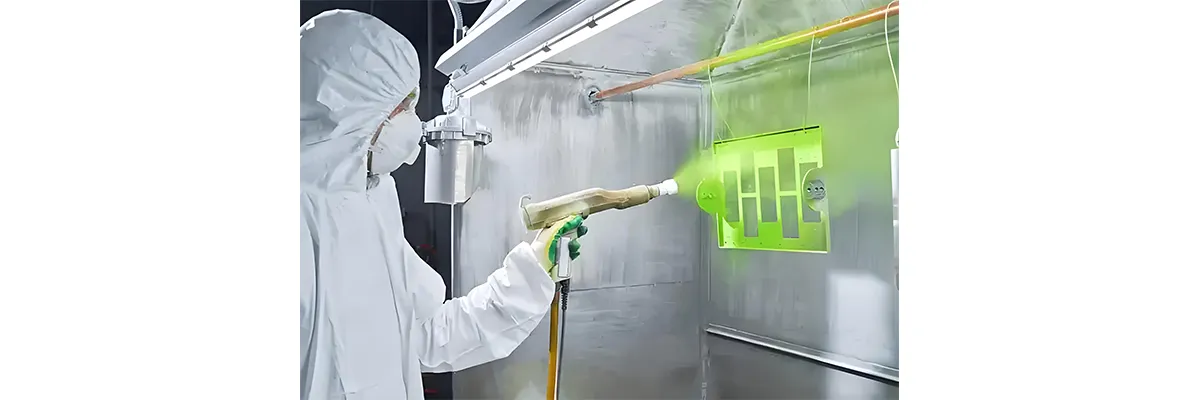
In protective and decorative coatings, 4,4′-Bis(diethylamino) benzophenone ensures scratch resistance, chemical resistance, and a smooth, glossy finish. Its high efficiency in absorbing UV light helps coatings cure evenly, preventing defects such as bubbling or incomplete polymerization.
Faster curing: Reduces production time.
Improved adhesion: Ensures coatings remain durable under stress.
Energy savings: Lower UV exposure time reduces energy consumption.
UV-curable inks have transformed the printing industry, enabling high-speed printing with minimal drying time. Photoinitiator EMK is a crucial ingredient in these inks, supporting processes like flexography, offset, and screen printing.
Rapid drying: Reduces bottlenecks in high-volume printing.
High color stability: Maintains vibrant colors without fading.
Environmental advantages: Lower volatile organic compounds (VOC) emissions compared to solvent-based inks.
By integrating EMK Photoinitiator into ink formulations, manufacturers can achieve consistent print quality, faster production cycles, and a more environmentally friendly process.
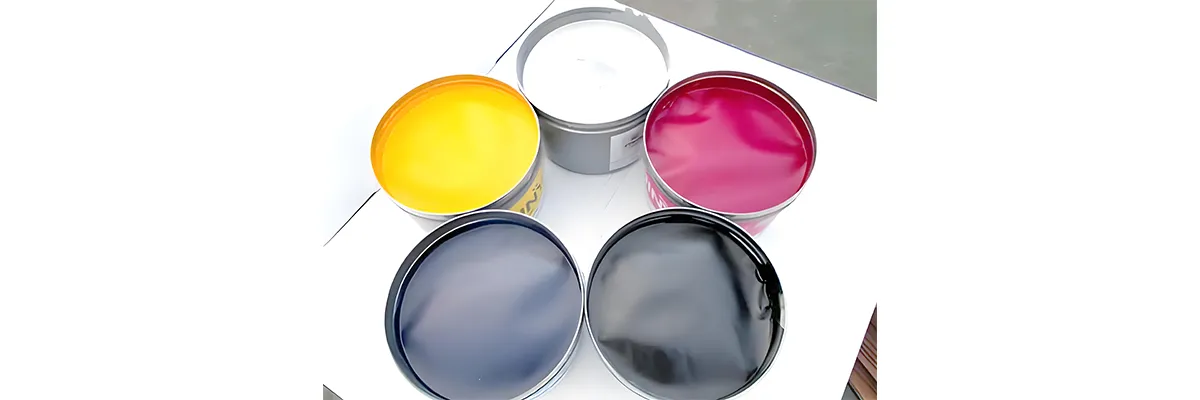
Selecting the appropriate grade of EMK Photoinitiator depends on several factors:
Working with a trusted supplier Unilong allows manufacturers to select the best EMK grade tailored to their specific UV-curable coatings or inks.
EMK Photoinitiator is generally safe when handled correctly:
Storage: Keep in a cool, dry, and dark place to prevent premature activation.
Protective equipment: Gloves and safety glasses are recommended during handling.
Regulatory compliance: Ensure adherence to local and international chemical safety regulations.
Proper handling guarantees not only safety but also maintains the quality and performance of the photoinitiator.
As a professional supplier, we provide high-quality EMK Photoinitiator CAS 90-93-7 with consistent batch performance. Our technical support team assists manufacturers in optimizing formulations for UV-curable coatings and inks, ensuring the best results.
Reliable and consistent product quality.
Expert technical guidance for formulation optimization.
Competitive pricing for large-scale industrial clients.
For manufacturers in the UV-curable coatings and inks industry, EMK Photoinitiator (CAS 90-93-7 / 4,4′-Bis(diethylamino) benzophenone) is a powerful tool to achieve rapid curing, superior adhesion, and high-quality finishes. Its versatility in both coatings and inks, combined with excellent performance and stability, makes it a preferred choice worldwide.
Scleroglucan for Petroleum Applications: Rheology Control and Salt Tolerance
The petroleum industry has always relied on advanced chemical additives to improve drilling efficiency, stabilize wellbores, and enhance oil recovery. Among these additives, Scleroglucan has gained attention as a high-performance, eco-friendly biopolymer. Known under CAS 39464-87-4, this natural polysaccharide is valued for its ability to control rheology and maintain stability in high-salinity and high-temperature environments.
As oilfield operations become more complex, operators are increasingly turning to Scleroglucan polysaccharide as a reliable solution for drilling fluids, fracturing fluids, and enhanced oil recovery (EOR). In this article, we will explore what Scleroglucan is, its unique advantages, and why it has become an essential material in petroleum applications.

Scleroglucan is a natural polysaccharide produced by the fermentation of Sclerotium rolfsii, a type of fungus. Chemically, it is composed of a β-1,3-glucan backbone with β-1,6-linked glucose side chains, which give it exceptional viscosity and stability.
It is also commonly referred to as Sclerotium gum, and it belongs to the same family of biopolymers as xanthan gum and guar gum. However, its performance characteristics make it particularly attractive for challenging environments such as oilfield operations.
Key features of Scleroglucan polysaccharide (CAS 39464-87-4):
Oilfield conditions often involve extreme salinity, high pressure, and elevated temperatures, where many conventional polymers fail to perform. Scleroglucan stands out for its ability to maintain functionality under these harsh conditions.
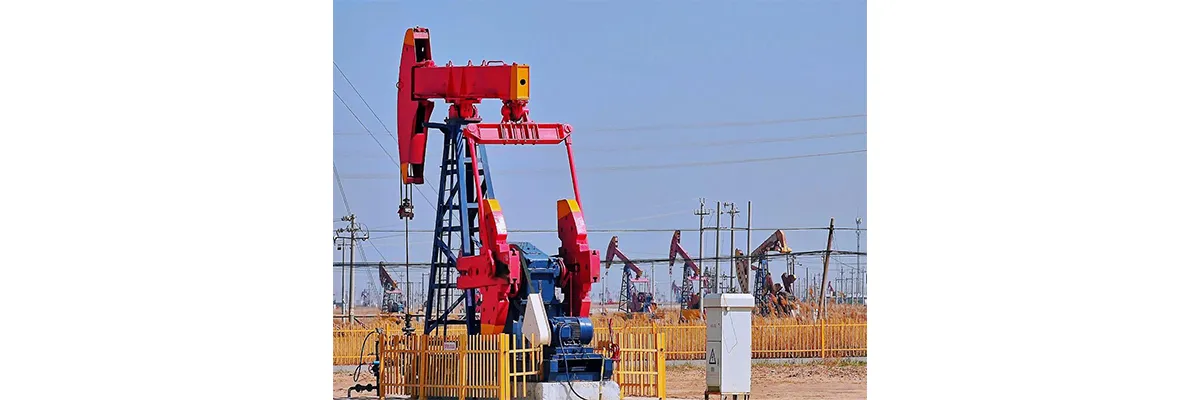
One of the biggest advantages of Scleroglucan polysaccharide is its superior rheology control. Even at low concentrations, it can significantly increase viscosity in drilling and fracturing fluids. This helps:
Improve suspension of drill cuttings.
Enhance wellbore cleaning efficiency.
Reduce risks of stuck pipe and drilling failures.
Ensure better fluid flow and operational stability.
Unlike many polymers that lose viscosity in brines or degrade at high temperatures, Scleroglucan maintains its structure and thickening ability. This makes it ideal for:
High-salinity reservoirs.
Deep wells with elevated temperatures.
Offshore drilling environments.
Its unique molecular structure allows it to resist salt-induced precipitation, ensuring consistent performance where other additives may fail.
Works well with other oilfield additives such as fluid-loss reducers and crosslinking agents.
Stable across a wide pH range.
Can be used in different oilfield fluid formulations without compromising efficiency.
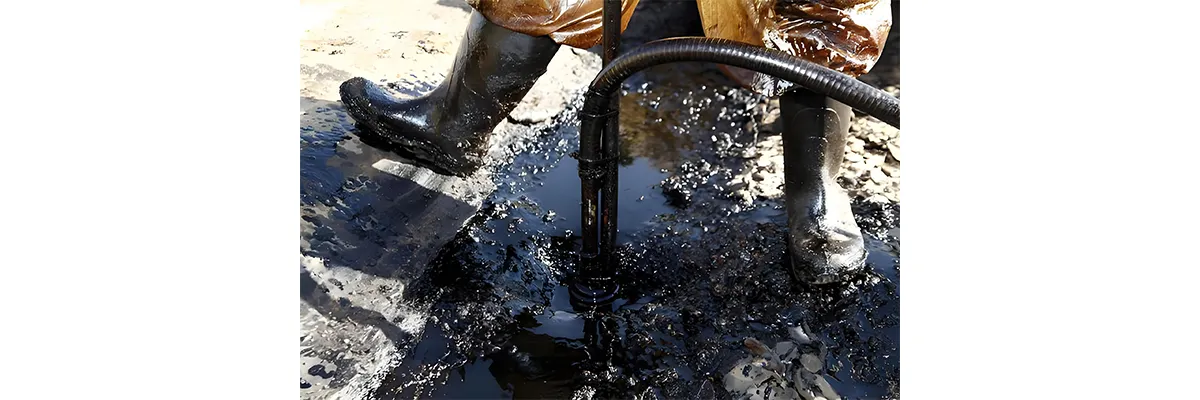
In drilling operations, Scleroglucan polysaccharide improves the carrying capacity of drilling fluids, helping remove cuttings from the wellbore. Its shear-thinning properties ensure that fluids remain pumpable while still delivering strong viscosity at rest.
In hydraulic fracturing, Scleroglucan provides the high viscosity needed to transport proppants deep into fractures. After the operation, it can be broken down efficiently to allow smooth flowback, reducing formation damage.
For mature or difficult reservoirs, Scleroglucan CAS 39464-87-4 improves mobility control and sweep efficiency. Its salt and temperature resistance allow it to perform where synthetic polymers often lose effectiveness.

Xanthan gum: While also a polysaccharide, it is less tolerant to high temperatures and extreme salinity compared to Scleroglucan.
Synthetic polymers (such as polyacrylamide, PAM): Effective but not biodegradable, raising environmental concerns.
Scleroglucan: Combines the best of both worlds—high performance in harsh oilfield environments and environmental sustainability.
For oilfield companies, sourcing high-quality Scleroglucan polysaccharide is essential. Unilong as a reliable Scleroglucan supplier can provide:
Consistent product quality across batches.
Technical support for different petroleum formulations.
Customization for drilling, fracturing, or EOR applications.
Competitive pricing and global delivery capabilities.
As the petroleum industry pushes into deeper, hotter, and more saline reservoirs, the need for high-performance and eco-friendly polymers is greater than ever. Scleroglucan, also known as Sclerotium gum, has proven to be an exceptional solution thanks to its rheology control, salt tolerance, and thermal stability.
Whether in drilling fluids, fracturing fluids, or enhanced oil recovery, Scleroglucan polysaccharide CAS 39464-87-4 offers reliability and efficiency where other polymers fall short.
Benzyldimethylstearylammonium Chloride: A Key Auxiliary in Textile Dyeing
In textile processing, the right auxiliaries can make all the difference between dull, uneven shades and vibrant, consistent colors. Benzyldimethylstearylammonium Chloride has emerged as one of the most effective auxiliaries in textile dyeing, thanks to its strong surface activity and compatibility with a wide range of dye systems. Identified under CAS 122-19-0, this quaternary ammonium compound plays a crucial role in improving dye uptake, leveling, and color fastness, making it a valuable additive for textile manufacturers worldwide.
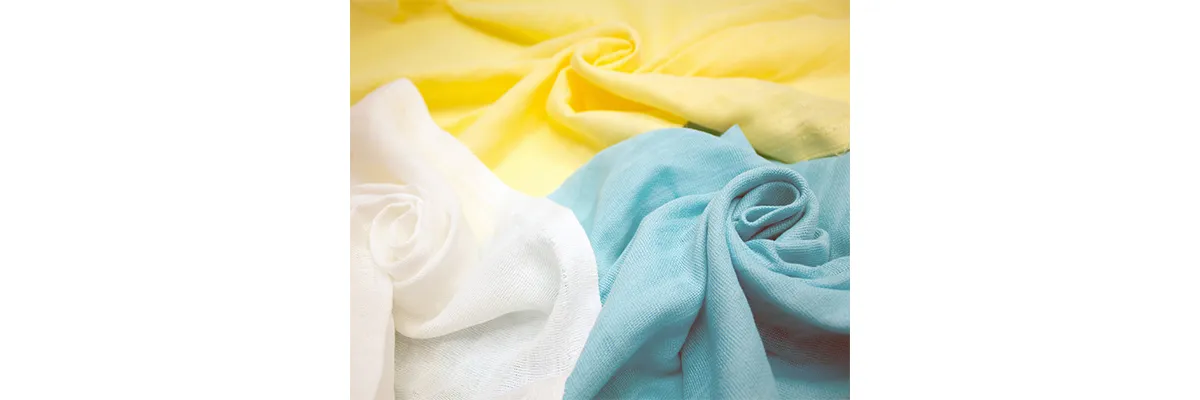
Chemically, Benzyldimethylstearylammonium Chloride is a cationic surfactant with excellent dispersing and conditioning properties. It belongs to the quaternary ammonium compound family and is widely known under several names, depending on the application:
These synonyms often appear in both industrial and cosmetic contexts. While Stearalkonium Chloride is commonly seen in hair conditioners and skincare products, its function in textiles is equally important, particularly for dyeing auxiliaries.
Uneven dye distribution can lead to streaks and patchy fabrics. Stearalkonium Chloride acts as a dispersing agent, helping dyes spread evenly in the dye bath, which results in smooth and consistent coloration.
The cationic nature of Benzyldimethylstearylammonium Chloride increases the attraction between negatively charged dye molecules and textile fibers. This ensures better dye uptake, reducing waste and improving efficiency.

One of its most valued applications is enhancing wash and rub fastness. Fabrics dyed with auxiliaries containing Stearalkonium Chloride retain their brightness and resist fading even after repeated laundering.
In many textile operations, high salt concentrations and elevated temperatures are common. Benzyldimethylstearylammonium Chloride maintains stability under these demanding conditions, ensuring reliable performance batch after batch.
The application of Benzyldimethylstearylammonium Chloride provides several benefits:
Higher dyeing efficiency: Shortens dyeing cycles and increases throughput.
Uniform shades: Ensures consistency across large fabric lots.
Improved durability: Enhances product quality with long-lasting colors.
Cost-effectiveness: Reduces reprocessing and dye wastage.
For textile mills, these advantages mean better productivity, stronger competitiveness, and greater customer satisfaction.
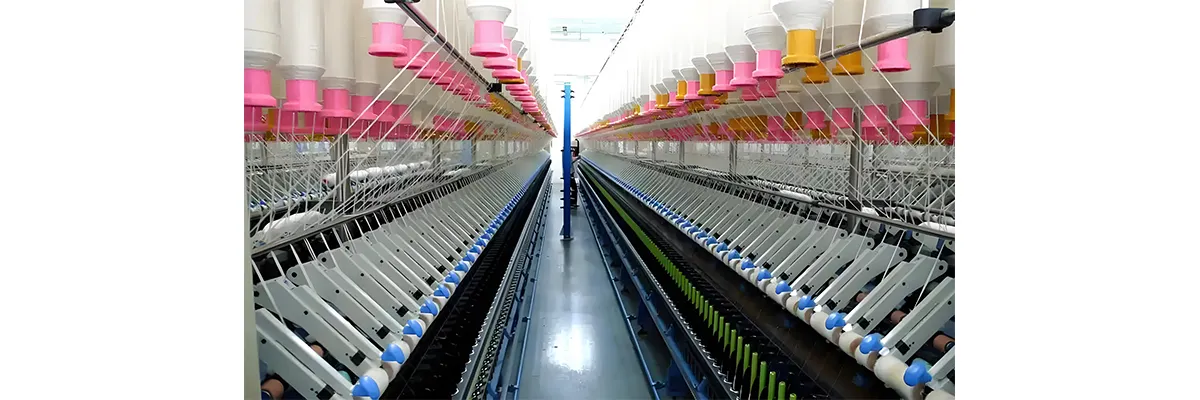
When compared to other quaternary ammonium compounds such as Stearalkonium Chloride, Benzyldimethylstearylammonium Chloride (CAS 122-19-0) shows particular suitability for textile dyeing. While Stearalkonium Chloride is widely used in hair care products due to its conditioning effect, its textile application is more limited. In contrast, Benzyldimethylstearylammonium Chloride demonstrates stronger performance in dye bath stabilization and color retention.
This distinction highlights why many textile auxiliaries suppliers recommend Benzyl dimethyl stearyl ammonium Chloride for industrial-scale dyeing applications.
For textile manufacturers seeking to purchase stearyl Benzyldimethylstearylammonium Chloride, selecting the right partner is crucial. As a reliable supplier of stearyl Benzyl dimethyl stearyl ammonium Chloride in China, Unilong not only delivers consistent quality but also provides tailored technical support based on textile formulations.
The price of stearyl Benzyl dimethyl stearyl ammonium Chloride depends on factors such as purity, packaging, and order volume. For large-scale textile applications, bulk purchasing is typically the most cost-effective option. Partnering with Unilong ensures both competitive pricing and stable supply.
While its core strength lies in textile auxiliaries, Benzyldimethylstearylammonium Chloride also extends to:
Cosmetics – As a conditioning agent in shampoos and conditioners.
Disinfectants – Utilized for antimicrobial properties in cleaning products.
Industrial additives – Works as an emulsifier and antistatic agent.
This multifunctional profile makes it valuable across multiple industries.
Benzyldimethylstearylammonium Chloride (CAS 122-19-0) is a key auxiliary in textile dyeing, widely applied to enhance dye dispersion, strengthen fiber-dye bonding, and improve color fastness. Its ability to perform under harsh processing conditions makes it indispensable for modern textile operations.
The Mechanism of 2-Ethylhexyl Thioglycolate in PVC Thermal Stabilization
2-Ethylhexyl Thioglycolate, also known as 2-Ethylhexyl Mercaptoacetate, is a sulfur-containing organic compound widely used in the plastic and polymer industries. Its CAS number is 7659-86-1, and it is recognized as a highly efficient co-stabilizer and intermediate in the production of PVC (polyvinyl chloride) heat stabilizers.
Chemically, it is a clear to pale yellow liquid with a mild, characteristic thiol odor. Its molecular formula is C10H20O2S, and it belongs to the family of thioglycolic acid esters. Thanks to the combination of –SH (thiol) and –COOR (ester) functional groups, it shows high reactivity, making it suitable for thermal stabilization and polymer modification applications.
PVC remains one of the most widely used thermoplastics in construction, packaging, and electrical applications. However, one of PVC’s biggest challenges is its poor thermal stability during processing. Manufacturers need effective heat stabilizers to prevent degradation and maintain product performance.
With environmental regulations limiting the use of toxic stabilizers like lead and cadmium, the industry is shifting toward organic and environmentally friendly alternatives. 2-Ethylhexyl Thioglycolate 7659-86-1 plays an important role in this transition as a thiol-based compound that improves both short-term and long-term heat stability.
When PVC is exposed to heat, it tends to undergo dehydrochlorination—a reaction that releases hydrogen chloride (HCl) gas from the polymer chain. The released HCl further catalyzes degradation, creating conjugated double bonds along the polymer backbone.
This process leads to:
Discoloration (from white to yellow and eventually brown or black).
Loss of mechanical strength.
Increased brittleness.
Without stabilizers, even moderate processing temperatures can rapidly degrade PVC.

To prevent these issues, PVC stabilizers are added during compounding. They act by neutralizing HCl, replacing labile chlorine atoms, or forming protective complexes with degradation sites. Common stabilizer systems include:
Organotin stabilizers for high-performance transparent PVC.
Calcium-zinc stabilizers for eco-friendly applications.
Barium-zinc or mixed metal stabilizers for cost-effective uses.
Thiol-based co-stabilizers, such as 2-Ethylhexyl Thioglycolate, which enhance the efficiency of the main stabilizer system.
The unique structure of 2-Ethylhexyl Thioglycolate (CAS 7659-86-1) gives it multiple stabilization functions that help extend PVC’s lifetime and maintain product appearance.
During PVC processing, 2-Ethylhexyl Thioglycolate reacts with released HCl to form a stable thioester chloride.
This reaction prevents HCl from catalyzing further degradation. The sulfur atom in the thiol group is a strong nucleophile that captures the acidic hydrogen, effectively neutralizing the degradation trigger.
As a result, the autocatalytic chain reaction that causes discoloration and brittleness is significantly slowed down.
When used together with metal-based stabilizers such as calcium, zinc, or tin compounds, 2-Ethylhexyl Thioglycolate acts as a ligand, forming coordination complexes.
For example:
Zinc carboxylate + 2-Ethylhexyl Thioglycolate → Zinc thioglycolate complex (thermally stable)
These complexes effectively absorb heat energy and prevent decomposition of PVC resin.
This mechanism enhances both initial color stability and long-term heat resistance during extrusion or molding.
In organotin stabilizer systems, 2-Ethylhexyl Thioglycolate works synergistically to regenerate active tin(II) species from inactive tin(IV) forms.
This regeneration extends the lifetime of stabilizers and improves overall efficiency.
In practical applications, this synergy helps maintain transparency, prevents yellowing, and ensures smoother processing of PVC.
Prevents early-stage yellowing during extrusion and molding.
Maintains whiteness and mechanical integrity in both flexible and rigid PVC.
Extends processing time without degradation.

Excellent compatibility with plasticizers like DOP, DINP, or DOA.
Low volatility and stable under normal compounding temperatures.
Provides consistent rheology and prevents processing defects such as sticking or scorching.
Works effectively with epoxidized soybean oil (ESBO) and Ca-Zn stabilizer systems.
Helps reduce the total dosage of heavy-metal stabilizers.
Promotes more environmentally friendly and cost-efficient PVC formulations.
2-Ethylhexyl Thioglycolate is a critical raw material in producing organotin, calcium-zinc, and barium-zinc stabilizers. It enhances their performance and improves long-term heat stability.
Common in formulations for:
Flexible PVC films and cables
Synthetic leather and flooring materials
Transparent PVC sheets and profiles
Wire insulation and pipe extrusion
While its primary role is in PVC stabilization, 2-Ethylhexyl Thioglycolate (CAS 7659-86-1) is also used as:
A polymer intermediate in acrylic and polyurethane resins.
A surface modifier for coatings and elastomers.
A performance enhancer in certain rubber processing chemicals.

Our 2-Ethylhexyl Thioglycolate is produced under a controlled synthesis process, ensuring high purity, low odor, and excellent color stability.
We offer competitive pricing for both small and bulk orders, suitable for industrial-scale production.
As a reliable 2-Ethylhexyl Thioglycolate supplier, we not only provide stable product quality but also offer:
Customized stabilizer formulations for PVC manufacturers.
Batch-to-batch consistency through strict quality control.
Global logistics and fast delivery to meet production schedules.
We supply 2-Ethylhexyl Thioglycolate 7659-86-1 to customers in Asia, Europe, and North America.
Many leading PVC additive producers rely on our stable quality and long-term supply capability.
In modern PVC processing, maintaining heat stability is essential for product quality and performance. 2-Ethylhexyl Thioglycolate (CAS 7659-86-1), also known as 2-Ethylhexyl Mercaptoacetate, is one of the most efficient co-stabilizers used today.Through its dual mechanism—HCl scavenging and metal complex formation—it protects PVC against thermal degradation, prolongs product lifespan, and enhances color stability.
As a trusted 2-Ethylhexyl Thioglycolate supplier, we are dedicated to providing high-quality materials, technical expertise, and reliable service to support your stabilizer and polymer additive production.
Sodium Lauroyl Lactylate: A Gentle Surfactant for Skincare and Haircare
Sodium Lauroyl Lactylate (CAS 13557-75-0) is an increasingly popular surfactant used in modern skincare and haircare formulations. For cosmetic manufacturers, it offers a combination of gentle cleansing, skin conditioning, and formulation versatility, making it an essential ingredient for products aimed at sensitive or premium markets. As a trusted supplier, we provide high-purity Sodium Lauroyl Lactylate with stable quality and technical support to help manufacturers develop innovative, high-performance products.
Sodium Lauroyl Lactylate is a mild, biodegradable surfactant derived from lactic acid and lauric acid. Unlike conventional detergents that can be harsh, this ingredient is gentle on skin and hair while maintaining excellent emulsifying and foaming properties.
Key features include:
Low irritation potential: Ideal for sensitive skin and baby care products.
Good compatibility: Works well with other surfactants, oils, and active ingredients.
Versatility: Suitable for a wide range of cosmetic products including cleansers, shampoos, and lotions.
For manufacturers, using Sodium Lauroyl Lactylate ensures batch-to-batch consistency and high-quality end products.
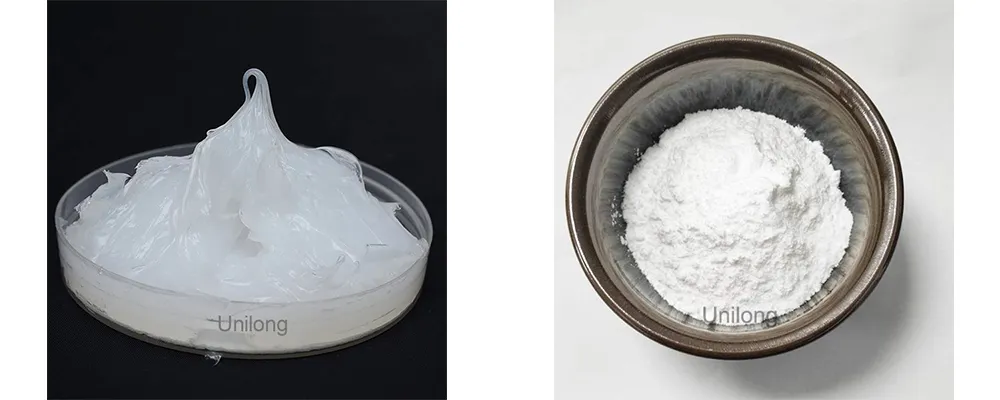
Sodium Lauroyl Lactylate in skin care products provides effective yet mild cleansing. It removes dirt, oil, and makeup residues without stripping natural moisture, making it ideal for: Facial cleansers, Foaming wash products, Moisturizing body washes.
Beyond cleansing, Sodium Lauroyl Lactylate enhances skin hydration. It leaves the skin soft, smooth, and comfortable after use. Its natural emollient properties reduce dryness and improve skin texture, which is critical for premium skincare lines.
Safety and sustainability are major concerns for modern cosmetic producers. Sodium Lauroyl Lactylate is:
Biodegradable and environmentally friendly.
Non-irritating, verified through dermatological testing.
Approved in major cosmetic regulations.
By using sodium lauroyl lactylate safe, manufacturers can confidently formulate products for natural, organic, or hypoallergenic lines.

Sodium Lauroyl Lactylate in shampoo formulations improves foam quality, reduces irritation, and ensures gentle cleansing. It balances the need for effective dirt and oil removal with hair protection, making it suitable for:
Daily-use shampoos.
Sensitive scalp formulations.
Professional salon products.
Sodium Lauroyl Lactylate for hair reduces frizz, adds shine, and improves hair manageability. It enhances the overall feel and appearance of hair, making products more attractive to end-users.
Due to its compatibility with oils and other actives, it can be included in hair serums, leave-in conditioners, and treatment masks. It improves texture, ensures smooth application, and supports long-lasting conditioning effects.
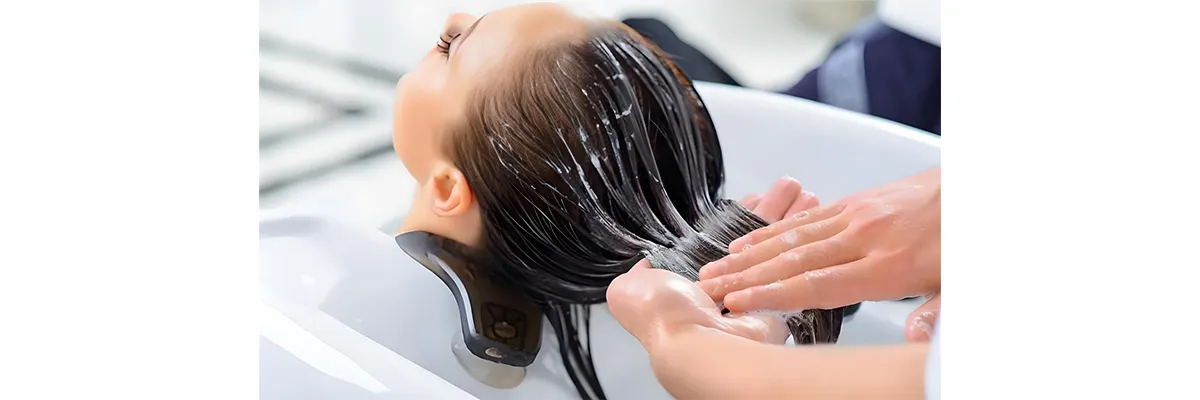
For manufacturers, understanding proper use is key:
Recommended concentration: 0.5%–5%, depending on product type.
Compatibility: Works well with anionic, nonionic surfactants, and emulsifiers.
Formulation benefits: Improves stability, foaming, and sensory feel of products.
Using the correct concentration ensures consistent performance and avoids potential issues like product separation or excessive foaming.
Sourcing high-quality Sodium Lauroyl Lactylate is critical for manufacturers. We provide:
High-purity products with consistent quality.
Flexible packaging for powders or liquids to match production scale.
Technical support for formulation advice and sample testing.
Reliable supply chain with fast delivery and responsive customer service.
If you are looking to sodium lauroyl lactylate buy, partnering with a trusted supplier ensures production reliability and regulatory compliance.
Sodium Lauroyl Lactylate complies with international cosmetic regulations including:
It has passed dermatological and allergy tests, ensuring safe use in skincare and haircare products. Using sodium lauroyl lactylate safe enables manufacturers to formulate products for sensitive skin lines and eco-conscious consumers.
We understand the needs of B2B cosmetic manufacturers. Our advantages include:
Consistent high-quality products: Batch-to-batch stability guaranteed.
Technical expertise: Formulation guidance, co-development support.
Customizable solutions: Powder or liquid forms tailored to production needs.
Competitive pricing and fast logistics: Supporting large-scale manufacturing.
Sodium Lauroyl Lactylate is a versatile, gentle, and highly effective surfactant for modern skincare and haircare formulations. Its benefits in gentle cleansing, conditioning, and formulation stability make it a must-have ingredient for cosmetic producers.
For manufacturers looking to develop premium products, sourcing high-purity Sodium Lauroyl Lactylate from a reliable supplier ensures consistency, safety, and performance.
Ethyl Lauroyl Arginate HCL: A Powerful Preservative for Food and Cosmetics
Ethyl Lauroyl Arginate HCL (CAS 60372-77-2) is a versatile and safe preservative widely used in the food and cosmetic industries. Derived from natural amino acids and fatty acids, this ingredient is known for its antimicrobial properties, helping to prevent spoilage and extend the shelf life of various products. Its unique chemical structure makes it effective against a broad spectrum of bacteria, yeasts, and molds, without altering the taste or texture of food products.
Initially developed to meet the growing demand for natural and effective preservatives, Ethyl Lauroyl Arginate HCL has quickly become a preferred choice for manufacturers seeking to reduce chemical preservatives in their formulations. Over the years, its applications have expanded from food safety to personal care, reflecting the trend toward cleaner, safer, and longer-lasting products.
Ethyl Lauroyl Arginate HCL is widely used in beverages, dairy products, processed meats, and ready-to-eat meals. By inhibiting microbial growth, it helps extend shelf life while maintaining product quality. Its effectiveness as a natural preservative makes it ideal for manufacturers aiming to reduce artificial chemicals in their formulations. Using ethyl lauroyl arginate hcl for natural preservation allows brands to appeal to health-conscious consumers while ensuring safety and longevity.

In the cosmetic industry, this preservative plays a crucial role in maintaining product integrity. From skincare creams to shampoos and conditioners, it prevents microbial contamination, ensuring products remain safe and effective over time. Ethyl lauroyl arginate hcl in cosmetics helps manufacturers meet strict safety standards while keeping formulations gentle on skin and hair. Its compatibility with various ingredients makes it a reliable choice for a wide range of personal care products.
Ethyl Lauroyl Arginate HCL is effective because it disrupts microbial growth without affecting the product itself. Its molecular structure allows it to penetrate cell membranes of bacteria, yeast, and mold, interfering with their normal metabolism. Unlike some preservatives that only inhibit growth temporarily, Ethyl Lauroyl Arginate HCL actively reduces microbial populations, making it highly reliable for both food and cosmetic applications.
The preservative effect of Ethyl Lauroyl Arginate HCL stems from its ability to interact with microbial cell membranes. The arginine component binds to negatively charged components on the microbial surface, while the lauroyl chain disrupts the lipid bilayer. This dual action causes leakage of cellular contents and eventual cell death. Because of this mechanism, the compound works against a broad spectrum of microorganisms while remaining safe for human use.
One of the main advantages of Ethyl Lauroyl Arginate HCL is its excellent safety profile. Toxicological studies show it is non-toxic at recommended usage levels and poses minimal risk to humans. It is suitable for both oral and topical applications, making it a trusted option for food and cosmetic products. Manufacturers can confidently use ethyl lauroyl arginate hcl safety data to reassure regulators and consumers alike.
Ethyl Lauroyl Arginate HCL has been approved by multiple regulatory bodies, including the FDA in the United States and EFSA in Europe.
Natural and gentle: Derived from amino acids and fatty acids, offering a safer alternative to synthetic preservatives.
Effective antimicrobial action: Controls bacteria, yeast, and mold to extend product shelf life.
Formulation-friendly: Compatible with a wide range of ingredients, ensuring stability without affecting texture or scent.
Sustainable and eco-friendly: Supports cleaner labels and environmentally responsible production.
The quality and consistency of Ethyl Lauroyl Arginate HCL can significantly impact product performance. Reliable ethyl lauroyl arginate hcl suppliers provide stable batch quality, high purity, and technical support to ensure formulations achieve their intended effects.
As a supplier of Lauryl Arginine Ethyl Ester Hydrochloride, we provide technical guidance, tailor solutions for specific formulations, and offer sample testing prior to bulk procurement to ensure your formulation stability.
Ethyl Lauroyl Arginate HCL (CAS 60372-77-2) is a powerful, natural preservative that addresses the growing need for safe, effective, and sustainable solutions in food and cosmetics. From extending shelf life to maintaining product integrity, it offers significant benefits to manufacturers aiming for high-quality, consumer-friendly products. Understanding why it works as a preservative and its mechanism of action helps formulators make informed decisions. Partnering with trustworthy ethyl lauroyl arginate hcl suppliers Unilong ensures consistent quality and technical support, making it easier to deliver products that are safe, long-lasting, and appealing to health-conscious consumers.
Applications of 1-Decanol in Cosmetics, Coatings, and Lubricants
1-Decanol (CAS 112-30-1), also known as n-decyl alcohol or 1-Dec, is a long-chain fatty alcohol widely used in industrial and specialty chemical applications. With the 1 decanol formula C10H22O, it belongs to the group of higher alcohols that are valued for their balance of hydrophilic and hydrophobic properties.
This substance is typically a colorless to pale yellow liquid with a mild odor. High-purity grades such as 1-Decanol 99 are in strong demand, especially in cosmetics, coatings, and lubricants, where quality and consistency matter most.
As an industrial raw material, 1-Decanol provides functional benefits like lubrication, emulsification, and solubility improvement. Because of this versatility, it is increasingly chosen by manufacturers seeking reliable ingredients for value-added products.
In cosmetics, 1-Decanol functions as an emollient and surfactant. It enhances the texture of lotions and creams by creating a smooth, soft skin feel. In shampoos and conditioners, n-decyl alcohol contributes to better spreadability and acts as a co-emulsifier to stabilize formulations.
Common uses include:
The added advantage is that 1-Decanol (CAS 112-30-1) is biodegradable and safe for cosmetic use, aligning with the industry’s growing demand for sustainable ingredients.
In the coatings industry, 1-Decanol is mainly used as a raw material for plasticizers and resin modifiers. These derivatives improve the flexibility, gloss, and durability of paints and coatings.
Industrial applications include:
Compared with shorter-chain alcohols, 1-Decanol 99 provides better hydrophobic performance, which is particularly valuable for outdoor paints and protective coatings that need water resistance and durability.

Another key area of application is in lubricants and metalworking fluids. As a long-chain alcohol, 1-Decanol improves lubrication, reduces wear, and enhances the performance of synthetic lubricants.
Typical uses:
Its chemical stability and ability to interact with oils make n-decyl alcohol highly effective in demanding industrial environments.
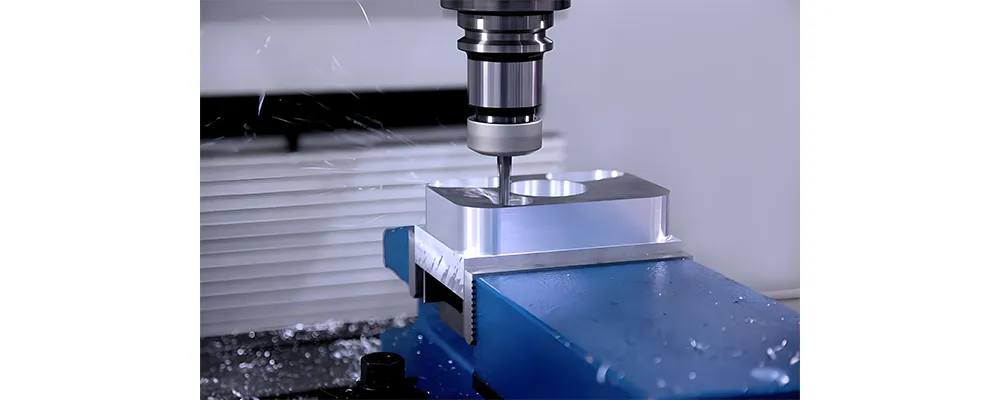
Beyond cosmetics, coatings, and lubricants, 1-Decanol (CAS 112-30-1) also plays a role in several other industries:
Surfactants and detergents: Used as a raw material for non-ionic surfactants.
Plasticizers: Acts as an intermediate in plasticizer production, improving flexibility in polymers.
Flavors and fragrances: Adds mild waxy and floral notes in fragrance formulations.
Chemical synthesis: Serves as a versatile intermediate in various organic reactions.
This wide range of applications demonstrates why 1 decanol continues to be a high-demand chemical in the global market.
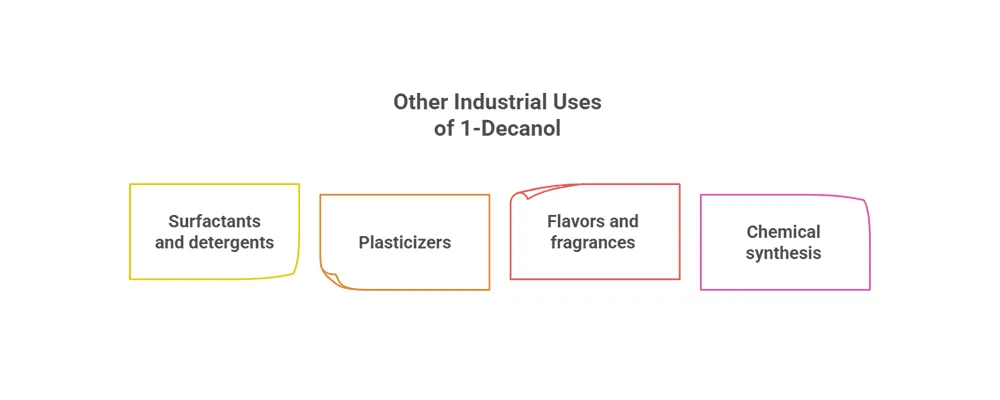
For manufacturers, procuring 1-Decanol 99% with stable purity is critical. Decanol pricing is influenced by multiple factors, including raw material costs, energy prices, and global demand from industries such as cosmetics and coatings. In recent years, demand for biodegradable fatty alcohols has also driven consumption of 1-Decanol (n-Decanol).
As a specialized supplier, we provide industrial buyers with a stable supply chain, stringent quality control, and competitive pricing.
For industrial customers, choosing the right 1-Decanol supplier is about more than just cost. Partnering with a supplier who understands your industry needs can make a real difference in product performance and business efficiency.
Key advantages we offer:
Consistent Quality: Guaranteed purity levels up to 1-Decanol 99%, tested batch by batch.
Competitive Pricing: Long-term supply with stable decanol price for industrial buyers.
Customized Solutions: Packaging, purity, and application support tailored to your requirements.
Global Export Experience: Compliance with international shipping and safety standards.
By choosing a reliable supplier, you minimize risks, maintain product performance, and strengthen your position in competitive markets.
1-Decanol (CAS 112-30-1) is more than just a chemical intermediate—it is a multifunctional ingredient that supports innovation in cosmetics, enhances durability in coatings, and improves performance in lubricants. Known also as 1-Dec or n-decyl alcohol, this material continues to be in strong demand across industries worldwide.
As a professional 1-Decanol supplier, we provide high-purity 1-Decanol 99 with reliable quality control, flexible packaging options, and competitive decanol price. Whether you are a manufacturer, distributor, or formulator, we are here to ensure your supply needs are met efficiently.
Titanium(IV) Butoxide (CAS 5593-70-4) vs Other Titanium Alkoxides: Key Differences
Titanium alkoxides are a group of organometallic compounds widely used in coatings, catalysts, sol-gel processes, and the production of titanium dioxide (TiO₂). Among them, Titanium(IV) Butoxide (CAS 5593-70-4)—also known as Tetrabutyl titanate or Tetra-n-butyl orthotitanate—is one of the most important and commonly applied.
While all titanium alkoxides share a similar backbone, their different alkyl groups give them unique chemical and industrial properties. This article explores the key differences between Titanium(IV) butoxide and other titanium alkoxides, helping industries and researchers understand which option best suits their needs.
Titanium(IV) butoxide is an organotitanium compound with the molecular formula Ti(OC₄H₉)₄. It is typically a clear to pale yellow liquid that is sensitive to moisture and reacts readily with water through hydrolysis.
Chemical Name: Titanium(IV) butoxide
CAS Number: 5593-70-4
Synonyms: Tetrabutyl titanate, Tetra-n-butyl orthotitanate
Appearance: Clear to slightly yellow liquid
Properties: High reactivity, soluble in many organic solvents, controlled hydrolysis rate.

As a precursor for titanium dioxide nanoparticles.
In sol-gel processing for coatings and thin films.
As a catalyst in esterification and transesterification reactions.
In the electronics industry for dielectric and optical coatings.
Because of its balance between reactivity and stability, Titanium(IV) butoxide is one of the most versatile titanium alkoxides used in both research and large-scale industrial production.
Titanium alkoxides form an important class of titanium-based chemicals where titanium is bonded to alkoxy groups (–OR). The properties and applications of these compounds vary significantly depending on the type of alkyl group, which directly affects their reactivity, stability, and suitability for industrial use. Below are the most common types of titanium alkoxides:
Features: Moderate reactivity, relatively stable during storage, and offers controlled hydrolysis.
Applications: Widely used in coatings, adhesives, sol-gel processing, and as a precursor for TiO₂ nanoparticles.
Why popular: Its balance between reactivity and stability makes it suitable for both laboratory research and large-scale production.
Features: Much more reactive than butoxide, leading to faster hydrolysis and condensation.
Applications: Used in thin-film deposition (CVD and sol-gel methods), production of photocatalytic TiO₂, and electronics manufacturing.
Notes: Because of its higher reactivity, handling requires careful moisture control.
Structure: Contains four ethoxy groups (C₂H₅O).
Features: Intermediate between methoxide and isopropoxide in terms of reactivity and stability.
Applications: High-purity material synthesis, optical coatings, and laboratory-scale research.
Notes: Often selected when purity and controlled reaction speed are critical.
Structure: Contains four methoxy groups (CH₃O).
Features: The smallest alkyl group gives it very high reactivity and the fastest hydrolysis rate.
Applications: Mostly limited to organic synthesis and specialized research due to handling difficulties.
Notes: Rare in industrial use because it is unstable in moist environments and difficult to store.
In addition to the pure forms, mixed alkoxides—where different alkyl groups are bonded to titanium—are sometimes synthesized to fine-tune reactivity and solubility. These are used in specialized research and tailored industrial applications.
| Titanium Alkoxide | Alkyl Group | CAS Number | Reactivity | Hydrolysis Rate | Stability |
| Titanium(IV) Butoxide | Butoxy (C₄H₉O) | 5593-70-4 | Moderate | Controlled/Slower | High |
| Titanium(IV) Isopropoxide (TTIP) | Isopropoxy (C₃H₇O) | 546-68-9 | High | Fast | Moderate |
| Titanium(IV) Ethoxide | Ethoxy (C₂H₅O) | 78-10-4 | Medium | Moderate | Moderate |
| Titanium(IV) Methoxide | Methoxy (CH₃O) | 108-32-7 | Very High | Very Fast | Low |
| Mixed Titanium Alkoxides | Mixed R groups | Various | Variable | Variable | Variable |
Across these types, titanium alkoxides share several important traits:
Moisture sensitivity: They hydrolyze rapidly in contact with water.
Sol-gel applications: All types are excellent precursors for TiO₂ thin films and nanoparticles.
Versatility: Depending on the alkyl group, they can be optimized for fast reactions or for stable, controlled processing.
Choice factors: The decision between Titanium(IV) butoxide (Tetrabutyl titanate) and other alkoxides usually depends on the balance needed between reactivity, processing conditions, and final application.
There are several reasons industries often prefer Titanium(IV) butoxide (Tetrabutyl titanate):
Better process control: Slower hydrolysis makes it easier to manage in large-scale industrial settings.
Film-forming ability: Produces high-quality, uniform coatings.
Versatility: Works in multiple industries, from coatings to catalysts.
Availability: Widely supplied by global Tetrabutyl titanate suppliers.
For manufacturers seeking a balance of reactivity and stability, Titanium(IV) butoxide is often the most practical choice compared to other titanium alkoxides.
As a leading Tetrabutyl titanate supplier, we provide high-quality Titanium(IV) butoxide (CAS 5593-70-4) with consistent performance for industrial applications. When choosing a supplier, several factors are critical, and we ensure all are met:
High Purity: Our Titanium(IV) butoxide meets stringent purity standards, ensuring excellent performance in coatings, catalysts, and sol-gel processes.
Consistent Quality: We guarantee batch-to-batch consistency, so large-scale production remains stable and reliable.
Proper Packaging & Handling: Our products are packed in moisture-proof containers to prevent premature hydrolysis and maintain long-term stability.
Technical Support: As experienced Tetrabutyl titanate suppliers, we provide tailored solutions and technical guidance to meet your specific industrial requirements.
Partnering with us ensures you get top-quality Tetrabutyl titanate that minimizes production risks and delivers reliable results across coatings, catalysts, and advanced material applications.
Titanium(IV) butoxide (CAS 5593-70-4) remains a preferred titanium alkoxide due to its controlled reactivity, excellent film-forming properties, and versatile industrial applications. While other titanium alkoxides such as isopropoxide and ethoxide have their specific uses, Tetrabutyl titanate is ideal for industries that require both stability and high performance.
As a trusted Tetrabutyl titanate supplier, we provide high-purity, consistent Titanium(IV) butoxide, backed by technical expertise and reliable supply.
Why Dinonylnaphthalene Sulfonic Acid is Widely Used in Lubricants and Coatings
Dinonylnaphthalene Sulfonic Acid (DNNSA), also known as Dinonylnaphthalenesulfonic acid, is a high-performance sulfonic acid widely used across industrial applications. Its CAS number is 25322-17-2, making it easily identifiable in chemical databases and procurement processes.
Dinonylnaphthalenesulfonic acid solution and solid powder are the two commercial forms of DNNSA that are often offered. For blending with oils, coatings, and other liquid compositions, the solution form is especially practical because it offers improved handling and consistent dispersion.
As a chemical additive, DNNSA is valued for its versatility, stability, and compatibility with different systems. It is a key ingredient in lubricants, coatings, fuel additives, corrosion inhibitors, and specialty industrial chemicals.

The outstanding surface-active property of DNNSA is one of its most significant characteristics. In order to provide uniform dispersion and avoid sedimentation, it efficiently disperses solids such as pigments, fillers, and metallic particles. Because of this, it works very well in coatings and lubricants, where uniform dispersion is essential for reliable performance.
DNNSA exhibits outstanding thermal stability, allowing it to perform reliably in high-temperature environments such as engine oils, greases, and industrial coatings. Its oxidation resistance prevents breakdown over time, extending the service life of formulated products.
Whether used in mineral oils, synthetic oils, or polymer-based systems, DNNSA is highly compatible. This compatibility ensures that it does not separate, react adversely, or reduce the performance of other additives in the formulation.
DNNSA serves as a detergent and dispersant in engine oils and industrial lubricants. By keeping metallic surfaces clean and preventing the formation of sludge and varnish, it ensures smooth engine operation and prolonged equipment life.
In greases and high-performance engine oils, DNNSA maintains viscosity stability, minimizes friction, and reduces wear and tear. Its presence improves lubricant efficiency, contributing to energy savings and better machinery performance.
By creating a protective coating on metal surfaces and lowering the chance of corrosion, DNNSA also contributes significantly to metalworking fluids. This makes it perfect for applications where corrosion prevention and lubrication are essential, such as cutting oils, hydraulic fluids, and industrial greases.
In coatings, DNNSA acts as a powerful dispersant, ensuring pigments and fillers remain evenly suspended. This property is essential for high-quality industrial coatings, protective paints, and decorative finishes, where uniform color and texture are required.
DNNSA improves adhesion of coatings to a variety of substrates, including metal, plastic, and concrete. It helps maintain film integrity under harsh environmental conditions, such as exposure to heat, UV, or chemical agents.
Due to its long-chain hydrophobic structure, DNNSA enhances the durability and protective performance of coatings used on pipelines, machinery, and heavy equipment. Its use ensures coatings remain effective over extended service periods.
DNNSA is incorporated in fuel formulations as a detergent-dispersant, helping keep engine parts clean and maintain fuel efficiency.
Its protective properties make DNNSA a common component in corrosion inhibitors for water treatment, oilfield applications, and cooling systems.
The application of DNNSA in adhesives, polymer systems, and other specialty industrial chemicals where reliable performance is essential is made possible by its combination of thermal stability, dispersion ability, and chemical compatibility.
Compared to linear alkylbenzene sulfonic acid (LABSA), DNNSA offers better stability and solubility in nonpolar systems, making it more suitable for oils and lubricants.
DNNSA maintains performance under high temperatures, pressure, and oxidative conditions, which is essential in demanding industrial applications.
The branched nonyl groups in DNNSA provide enhanced hydrophobicity, improving film formation and protection in coatings and lubricants. This feature ensures superior long-term performance compared to other sulfonic acids.
Selecting a trusted DNNSA supplier is critical to ensure consistent quality and timely delivery. High-quality DNNSA guarantees performance across applications and minimizes production issues.
When purchasing DNNSA, pay attention to purity, concentration in solution form, and packaging options. These factors affect how easily the product can be blended into your formulations.
For large-scale operations, sourcing Wholesale Dinonylnaphthalene Sulfonic Acid ensures cost efficiency and supply stability. Many global suppliers now offer both solid DNNSA and Dinonylnaphthalenesulfonic acid solution, catering to different industrial needs.
Dinonylnaphthalene Sulfonic Acid (DNNSA, 25322-17-2) is a high-performance chemical that plays a vital role in lubricants, coatings, fuel additives, and corrosion inhibitors. Its excellent dispersing ability, thermal stability, and compatibility make it indispensable in industrial formulations.
As a reliable supplier of Dinonylnaphthalene Sulfonic Acid, we provide high-purity products, flexible packaging options, and wholesale supply solutions to meet your manufacturing needs. Whether you need Dinonylnaphthalenesulfonic acid solution for coatings or solid DNNSA for lubricants, we are your trusted partner for industrial-grade chemical solutions.
Nonivamide Powder: A Complete Guide for Industrial Applications
When it comes to producing pharmaceuticals, food products, or security equipment, consistency and reliability are everything. Manufacturers need ingredients that are stable, cost-effective, and easy to use at scale. Nonivamide powder (CAS 2444-46-4) has become one of those ingredients that industries around the world rely on.
Also known as n-vanillylnonanamide or synthetic capsaicin, this powder delivers the same heat and pungency as natural chili extracts, but in a far more controlled and standardized way. Instead of worrying about seasonal chili harvests or fluctuating quality, manufacturers can buy nonivamide powder that is pure, consistent, and available all year round.
In this guide, we will explain in simple terms what nonivamide is, how it is used across industries, what makes it attractive to manufacturers, and how you can secure the best nonivamide price from a trusted supplier.
Nonivamide powder is a synthetic vanilloid compound designed to mimic the pungency of natural capsaicin found in chili peppers. Unlike natural extracts, which can vary in potency, nonivamide ensures batch-to-batch stability. This is especially important for B2B manufacturers who need reliable raw materials for large-scale production.
CAS Number: 2444-46-4
Synonyms: N-vanillylnonanamide, N vanillylnonanamide, nonivamide
Appearance: White to off-white crystalline powder
Main Advantage: Strong pungency at very low dosage, stable under different storage and processing conditions.

Consistency – Uniform pungency and effect, unlike natural chili which fluctuates.
Cost-Effective – Requires smaller amounts to achieve desired effect, reducing formulation costs.
Versatility – Applicable across pharmaceuticals, food, security, and even agricultural uses.
Stability – Long shelf life and resistance to degradation in processing.
Nonivamide Powder is also widely used in food, medicine and other industrial fields.
Nonivamide is widely used in pharmaceutical formulations for its warming and pain-relieving properties:
For pharmaceutical companies, nonivamide offers predictable dosage control and scalable production advantages, compared to natural capsaicin which is harder to standardize.
Food producers often look for a reliable chili substitute that delivers the same kick without the natural variability. Nonivamide is ideal for:
By using nonivamide powder, food manufacturers can ensure consistent taste, reduce dependence on seasonal chili supply, and lower overall formulation costs.
Nonivamide is also valued in the cosmetics and personal care industry for its warming properties:
Cosmetic manufacturers benefit from nonivamide’s controlled heat effect and safe dosage range, making it a premium additive in wellness products.

For agricultural suppliers, this offers an eco-friendly solution for pest control and animal care.
These niche uses further highlight nonivamide’s versatility across industries.
As a professional supplier of nonivamide powder (CAS 2444-46-4), we provide:
Whether you are looking to buy nonivamide, explore new nonivamide uses, or need a trusted nonivamide supplier, we are here to support your business.
Nonivamide powder is not just a synthetic chili substitute — it is a versatile industrial ingredient with broad applications in pharmaceuticals, food, security, personal care, agriculture, and specialty chemicals.
By choosing a reliable supplier, manufacturers can benefit from cost efficiency, product consistency, and scalable production advantages. If you are seeking nonivamide for sale, want to compare nonivamide price, or need support in integrating it into your production, we are ready to assist.
How Titanium Butoxide Enhances Coatings and Polymer Production
In modern industries, advanced raw materials play a key role in improving performance, efficiency, and durability. One such important chemical is titanium butoxide, also known as Tetrabutyl Titanate, Titanium(IV) butoxide, or Tetra-n-butyl orthotitanate (CAS 5593-70-4). This titanium alkoxide compound is widely used in coatings, paints, adhesives, and polymer production due to its strong reactivity and ability to enhance material properties.
In this article, we will explore what titanium butoxide is, its main applications, market trends, and why choosing reliable Tetrabutyl Titanate suppliers is crucial for your business.
Chemical name: Titanium butoxide
Synonyms: Tetrabutyl Titanate, Titanium(IV) butoxide, Tetra-n-butyl orthotitanate
CAS number: 5593-70-4
Chemical formula: Ti(OC₄H₉)₄
Titanium butoxide is a clear to pale yellow liquid that reacts strongly with water. When exposed to moisture, it hydrolyzes rapidly, forming titanium dioxide (TiO₂). This characteristic is the basis of its widespread use in sol-gel chemistry, catalysis, and thin film coatings.
High reactivity: Enables fast hydrolysis and condensation, critical in sol-gel processes.
Excellent bonding ability: Strong interaction with inorganic and organic substrates.
Versatility: Used across industries ranging from coatings to polymer catalysis and electronics.
Unlike other titanium alkoxides, Titanium(IV) butoxide offers a balance of reactivity and stability, making it easier to handle while still delivering strong performance.
One of the most important applications of Tetrabutyl Titanate is in sol-gel technology. Through controlled hydrolysis and condensation, titanium butoxide serves as a precursor to titanium dioxide films. These films provide:
In industries such as construction, electronics, and automotive, sol-gel coatings produced with titanium butoxide help create surfaces that resist scratching, weathering, and corrosion.

Beyond sol-gel films, Titanium(IV) butoxide (CAS 5593-70-4) is widely used in paint and coating formulations. Its benefits include:
For these reasons, titanium butoxide is frequently added to architectural paints, marine coatings, automotive protective layers, and industrial finishes.
In the field of polymer chemistry, Titanium(IV) butoxide acts as a catalyst in processes such as:
Its catalytic activity accelerates polymerization reactions, making production more efficient while also offering greater control over molecular weight distribution. This leads to polymers with predictable properties and improved performance.
When incorporated into polymer systems, Tetrabutyl Titanate contributes to:
This makes titanium butoxide a valuable additive for manufacturers of packaging materials, automotive parts, and electronic components.
Demand for Titanium(IV) butoxide (CAS 5593-70-4) is growing steadily. According to industry data:
This steady expansion highlights why businesses need reliable Tetrabutyl Titanate suppliers to ensure a stable supply.
Since titanium butoxide is highly reactive and sensitive to impurities, working with trusted Tetrabutyl Titanate Suppliers ensures:
When sourcing Tetra-n-butyl orthotitanate, companies should consider:
Choosing the right partner helps avoid risks such as inconsistent quality, supply interruptions, or regulatory issues.
Always wear gloves, goggles, and protective clothing when handling.
Work in a well-ventilated area to avoid inhalation of vapors.
In case of spills, absorb with inert material and dispose according to local regulations.
Proper handling not only ensures worker safety but also preserves the integrity of the product.
As an experienced supplier of Titanium(IV) butoxide, we provide:
Whether you need bulk shipments for industrial applications or small quantities for research and development, we can deliver tailored solutions that fit your requirements.
Titanium butoxide (Tetrabutyl Titanate, Tetra-n-butyl orthotitanate, CAS 5593-70-4) is a powerful chemical that enhances the performance of coatings, paints, and polymers. Its ability to act as both a precursor and a catalyst makes it indispensable in industries where quality and durability are critical.
By choosing reliable Tetrabutyl Titanate suppliers, businesses can secure consistent quality, competitive pricing, and dependable technical support. If you are looking for a trusted source of Titanium(IV) butoxide, contact us today to request samples, check the latest tetrabutyl titanate price, or discuss customized solutions for your project.
What is Titanium Isopropoxide? A Complete Overview of CAS 546-68-9
Titanium isopropoxide, also called Titanium(IV) isopropoxide or Titanium tetraisopropanolate, is a versatile chemical widely used in research, industrial applications, and material science. With CAS No 546-68-9, it is recognized for its unique properties and broad uses in catalysis, coatings, and nanomaterials. As a trusted titanium isopropoxide supplier, we provide high-quality, consistent products that meet both laboratory and industrial needs.
Whether you are new to Titanium tetraisopropoxide or looking to purchase in bulk, this guide gives a complete overview of what makes this chemical so valuable.
Titanium isopropoxide (Ti[OCH(CH₃)₂]₄) is a titanium-based liquid that reacts easily with water and alcohols. This makes it a key ingredient in many chemical processes.
It is also known as:
For customers searching for titanium isopropoxide CAS No 546-68-9, it’s important to choose a reliable supplier to ensure purity and performance.
The chemical formula is Ti[OCH(CH₃)₂]₄, showing titanium bonded to four isopropoxide groups. Understanding the formula of titanium in this compound helps chemists predict reactions and ensures successful outcomes in applications like sol-gel processing and nanomaterial synthesis.
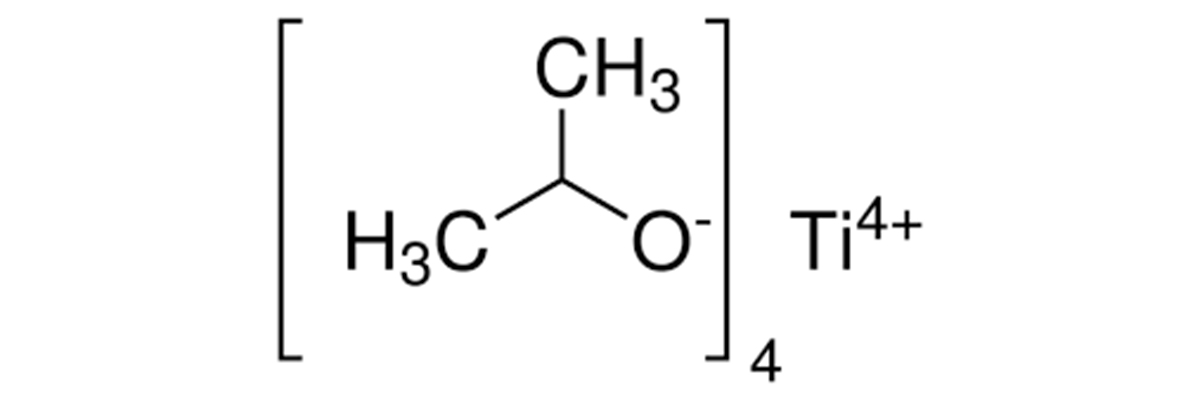
CAS No 546-68-9 identifies titanium isopropoxide uniquely in chemical databases and product catalogs. Key properties include:
Synonyms: Titanium tetraisopropanolate, Titanium(IV) isopropoxide, titaniumiv isopropoxide CAS 546-68-9
Molecular Formula: Ti[OCH(CH₃)₂]₄
Molecular Weight: 284.22 g/mol
Appearance: Clear, colorless liquid
Reactivity: Highly sensitive to moisture; reacts with water to produce titanium dioxide and isopropanol
Knowing the titanium isopropoxide CAS No helps avoid confusion and ensures you get the exact chemical needed for your process.
Titanium isopropoxide is highly versatile, used in both labs and industry. Its main applications include:
It acts as a catalyst in esterification, transesterification, and aldol reactions. Researchers value Titanium(IV) isopropoxide CAS 546-68-9 for its reliability and high efficiency in producing fine chemicals.

Titanium tetraisopropoxide is crucial in the sol-gel process, producing titanium dioxide (TiO₂) coatings, films, and nanoparticles. These materials are used in electronics, photocatalysis, and advanced surface coatings.
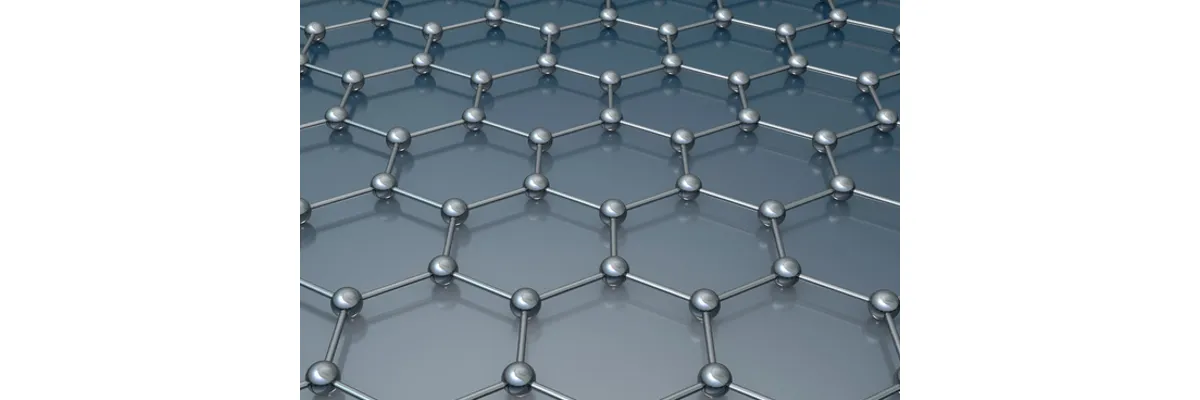
In the coatings industry, titanium isopropoxide CAS No 546-68-9 improves adhesion, durability, and corrosion resistance in paints, anti-reflective coatings, and protective films.
Other applications include:
With so many uses, it’s clear why sourcing high-quality titanium isopropoxide is essential for consistent results.

Safety is key when working with titanium isopropoxide:
Store in tightly sealed containers under an inert atmosphere
Keep away from water, acids, and oxidizers
Use proper protective equipment (gloves, goggles, lab coat)
Store in a cool, dry place
As a professional supplier, we provide detailed safety data sheets (SDS) to ensure proper handling.
When purchasing Titanium isopropoxide CAS No 546-68-9, quality and purity matter most. Our products meet strict industry standards:
We are a reliable titanium isopropoxide supplier offering global shipping and technical support. Whether you need Titanium(IV) isopropoxide, Titanium tetraisopropoxide, we can provide the right solution for your project.
Titanium isopropoxide (CAS 546-68-9) is a key chemical in modern chemistry and industrial applications. From catalysis to coatings and nanomaterials, it is indispensable for researchers and industrial users alike.
As a trusted titanium isopropoxide supplier, we ensure that every batch meets strict quality standards for purity, stability, and consistency. Our Titanium tetraisopropoxide is suitable for both laboratory-scale research and large-scale industrial production, giving you confidence in every application.
Choosing a dependable supplier ensures you get high-quality titanium isopropoxide with consistent performance. Contact us today to get your Titanium(IV) isopropoxide CAS 546-68-9 or request a sample to see the quality firsthand.
Polyglyceryl-4 Laurate in Personal Care: Functions, Safety, and Market Trends
Polyglyceryl-4 Laurate has become an essential multifunctional ingredient in the personal care and cosmetics industry. Known for its emulsifying, solubilizing, and mild cleansing properties, it is widely used in skincare, haircare, and baby care products. With its CAS number 75798-42-4, Polyglyceryl-4 Laurate is recognized for being both effective and safe, while also meeting the rising demand for sustainable, plant-based raw materials.
As a professional Polyglyceryl-4 Laurate supplier, we provide not only premium-quality ingredients but also technical support to help formulators develop innovative products tailored to market trends.
Polyglyceryl-4 Laurate is a non-ionic surfactant and emulsifier derived from natural vegetable oils, typically lauric acid (from coconut oil or palm kernel oil) and polyglycerol.
Chemical Family: Polyglyceryl esters of fatty acids.
CAS Number: 75798-42-4.
Appearance: Light yellow to amber viscous liquid or semi-solid.
HLB Value: Medium range (approximately 9–11), making it ideal for oil-in-water emulsions.
Solubility: Dispersible in water and oils.
These properties make it highly versatile in personal care formulations, balancing efficiency with mildness.
Polyglyceryl-4 Laurate helps blend oil and water, ensuring stable and smooth emulsions in creams, lotions, and serums.
Unlike harsh surfactants, it provides gentle cleansing, making it suitable for facial cleansers, baby shampoos, and body washes.
It improves skin feel, giving lotions and moisturizers a soft, non-greasy finish.
It disperses essential oils, vitamins, and active ingredients in aqueous systems such as toners and micellar waters.
By reducing interfacial tension, it improves formulation stability against separation.
One of the reasons Polyglyceryl-4 Laurate (CAS 75798-42-4) is so popular is its strong safety profile:
Low Irritation Potential: Clinically tested to be safe for sensitive skin and baby care products.
Biodegradable and Plant-Derived: Supports clean beauty and eco-friendly product claims.
Regulatory Acceptance: Approved for cosmetic use in the EU, US, Japan, and other regions.
Non-Comedogenic: Does not clog pores, suitable for acne-prone skin formulations.
This makes it highly suitable for brands seeking natural, safe, and sustainable cosmetic ingredients.
Polyglyceryl-4 Laurate is found in a wide variety of product categories:
Skincare: Moisturizers, creams, lotions, facial cleansers, toners, micellar waters.
Haircare: Shampoos, conditioners, scalp treatments.
Baby Care: Baby shampoos, baby lotions, diaper creams.
Sun Care: Sunscreens and after-sun lotions, where it helps emulsify UV filters.
Makeup: Foundations, BB creams, makeup removers.
Natural & Organic Cosmetics: Certified eco-label formulations due to its plant origin.

Consumers are looking for safe, plant-based, and eco-friendly products. Polyglyceryl-4 Laurate fits perfectly into this trend.
With more consumers experiencing skin irritation, formulators prefer mild surfactants like Polyglyceryl-4 Laurate.
Multifunctional ingredients are in demand to reduce ingredient lists and simplify formulations.
Growing adoption in Asia-Pacific and European markets is boosting the demand for sustainable emulsifiers.
As a trusted supplier of Polyglyceryl-4 Laurate (CAS 75798-42-4), we bring:
High-Quality Products: Batch-to-batch consistency with strict quality control.
Technical Expertise: Guidance on formulation, HLB balance, and product stability.
Flexible Supply Options: From R&D sample packs to large-scale bulk orders.
Global Delivery: Reliable shipping worldwide.
Sustainability Commitment: Ingredients sourced from renewable raw materials.
We work closely with cosmetic manufacturers and formulators to ensure that our Polyglyceryl-4 Laurate meets the evolving needs of the personal care industry.
Polyglyceryl-4 Laurate (CAS 75798-42-4) is a safe, versatile, and eco-friendly ingredient essential for modern personal care products. With its unique ability to act as an emulsifier, solubilizer, and mild surfactant, it supports the development of effective, consumer-friendly, and sustainable formulations.
As demand for natural and multifunctional ingredients continues to grow, partnering with a reliable Polyglyceryl-4 Laurate supplier ensures you can deliver products that meet both market trends and consumer expectations.
Contact us today to learn more about our Polyglyceryl-4 Laurate and how we can support your next formulation project.
Why Polycaprolactone (PCL) is the Go-To Material for 3D Printing & Medical Sheets
Polycaprolactone (PCL) is emerging as a highly versatile and eco-friendly polymer, widely used in 3D printing and medical sheet applications. Known for its biodegradability, low melting point, excellent flexibility, and ease of processing, PCL has become a material of choice for engineers, designers, and manufacturers across various industries. For businesses looking to polycaprolacton buy, high-quality polycaprolactone pellets for sale are available in both bulk supply and small quantities, making it easy to meet production needs.
Polycaprolactone (PCL polymer, CAS 24980-41-4) is a biodegradable aliphatic polyester that melts around 58–60°C. Its low melting temperature allows for easy processing without high energy consumption, while its biodegradability ensures it’s environmentally friendly. PCL is often supplied in the form of polycaprolactone pellets, which can be directly used in extrusion, injection molding, or 3D printing filaments.
CAS Number: 24980-41-4
Form: Pellets / Granules
Melting Point: 58–60°C
Biodegradability: Fully compostable under industrial conditions
Applications: 3D printing, medical sheets, biodegradable films, eco-friendly packaging
The 3D printing industry demands materials with good flow, adhesion, and flexibility. Polycaprolactone PCL fits these requirements perfectly:
Prototypes & Models: Ideal for producing functional prototypes, intricate designs, and educational models.
Flexible Parts: Can create bendable or flexible components for mechanical testing or wearable devices.
Low-Temperature Printing: Its low melting point allows printing on standard FDM printers without warping.
Many 3D printing filament producers and industrial users prefer polycaprolactone pellets bulk because it allows them to customize filament production and scale up efficiently while keeping costs under control.

In the medical and healthcare field, material safety and performance are crucial. PCL polymer (CAS 24980-41-4) has proven applications in:
Wound Dressings & Scaffolds: Supports tissue growth and biodegradable healing products.
Implantable Sheets & Films: Biocompatible and safe for long-term use inside the body.
Drug Delivery Systems: Controlled degradation makes it suitable for timed-release applications.
Unilong, as a reliable supplier, provides polycaprolactone pellets for sale with consistent quality, ensuring medical manufacturers can depend on stable mechanical properties and safe handling in sensitive applications.
Polycaprolactone PCL can be used to produce eco-friendly food packaging, including disposable plates, trays, and cutlery. Its biodegradable nature makes it a sustainable alternative to conventional plastics, supporting global environmental initiatives.
PCL can be blended with PLA, starch, or other biodegradable polymers to enhance flexibility, toughness, or degradation rates, enabling customized material solutions for different industries.
Ease of Processing: Supplied in pellet form, easy for extrusion, injection molding, and 3D printing.
Eco-Friendly: Fully biodegradable under industrial composting conditions.
Compatibility: Works well with PLA, starch, and other biodegradable materials.
Flexible Supply: Available in small trial quantities or polycaprolactone pellets bulk for large-scale production.
Consistent Quality: Each batch maintains uniform melting behavior and mechanical properties.
Cost-Effective: Competitive polycaprolactone pellets price ensures high performance at a reasonable cost.
As a trusted PCL polymer supplier, we provide high-quality polycaprolactone pellets for sale worldwide. Whether your project involves 3D printing, medical sheets, biodegradable packaging, or composite materials, our products guarantee:
For businesses looking to polycaprolacton buy, our polycaprolactone PCL solutions simplify material sourcing and accelerate product development.
Polycaprolactone (PCL, CAS 24980-41-4) is more than just a biodegradable polymer—it’s a versatile material enabling innovation across 3D printing, medical devices, and sustainable packaging. For reliable supply, consistent quality, and competitive pricing, our polycaprolactone pellets bulk offerings are the go-to solution.
Why 1-Methylcyclopropene Matters for Fresh Produce Storage
In the global food supply system, freshness is essential. From farm to supermarket shelf, the most difficult problem for fruits, vegetables, and flowers is maintaining quality during storage and transit. One effective option that has altered post-harvest management is 1-Methylcyclopropene (1-MCP). This basic substance has shown to be one of the most effective methods for preserving fresh fruit, minimizing waste, and increasing profitability.
In this article, we’ll explore what 1-Methylcyclopropene (CAS 3100-04-7) is, how it works, its key benefits, applications, and why choosing the right 1-MCP supplier is essential.
1-Methylcyclopropene, often abbreviated as 1-MCP, is a synthetic plant growth regulator with the chemical formula C₄H₆. Its official CAS number is 3100-04-7. The compound is most widely recognized for its ability to delay ripening and aging in fresh produce.
Ethylene gas is a naturally occurring hormone that affects ripening in fruits and vegetables. Once harvested, food continues to emit ethylene, hastening softness, yellowing, and deterioration. 1-MCP acts by attaching to ethylene receptors in plant tissues, preventing the hormone from taking action. As a result, ripening occurs at a slower rate, preserving freshness.
With globalization, fruits and vegetables are often shipped across continents. Without protection, much of this produce would spoil before reaching consumers. 1-MCP plays a vital role by extending shelf life and ensuring products arrive in excellent condition.
By slowing down ethylene activity, 1-MCP powder keeps fruits like apples, kiwifruit, and bananas fresh for weeks or months, even in long-term cold storage.
Globally, millions of tons of fresh produce are wasted each year due to spoilage. 1-Methylcyclopropene significantly reduces waste, making food systems more sustainable.
For farmers, distributors, and retailers, fresher products mean better prices, fewer losses, and higher customer satisfaction.
Used in very small amounts, 1-MCP is considered safe and leaves no harmful residues. This makes it an industry standard for post-harvest storage.
In commercial practice, 1-MCP powder is the most widely used form. It is stable, easy to transport, and can be formulated into different application systems.
The powder can be made into sachets or tablets that release gas slowly, providing consistent treatment in storage facilities.
1-MCP is commonly applied in sealed storage rooms or shipping containers, ensuring all products inside are uniformly treated.
Since only tiny amounts are needed, correct dosage is essential. Working with experienced 1-Methylcyclopropene suppliers ensures proper usage guidelines and maximum effectiveness.
When searching for 1-MCP buy options, it’s important to check:
Not all products labeled as 1-MCP are equal. Ensuring compliance with CAS 3100-04-7 guarantees authenticity and effectiveness.
Reliable suppliers can offer competitive prices and steady supply, which is critical for large-scale agricultural use.
As a professional 1-Methylcyclopropene supplier, we specialize in producing high-quality 1-MCP powder that satisfies international requirements. Growers, wholesalers, and exporters all around the world trust our products to keep fruits, vegetables, and flowers fresher for longer.
Whether you are managing large storage facilities or need customized post-harvest solutions, we can provide the right 1-MCP powder for your needs.
1-Methylcyclopropene (1-MCP, CAS 3100-04-7) has become an essential tool in modern agriculture and food distribution. By delaying ripening, reducing food waste, and improving profitability, it plays a crucial role in keeping the global food supply chain efficient and sustainable.
As a trusted 1-MCP supplier, we are committed to delivering high-quality 1-MCP powder and professional support to help you achieve better post-harvest results. Contact us today to discuss your needs and secure a reliable supply of 1-Methylcyclopropene for your business.
What Is P-Toluenesulfonyl Isocyanate
P-Toluenesulfonyl Isocyanate (PTSI) is an important organic compound, with a CAS number of 4083-64-1. This compound is a colorless to light yellow transparent liquid.
Due to its high reactivity and strong selectivity, it is widely applied in fields such as organic synthesis, pharmaceutical and chemical engineering, and materials science. PTSI, as a dehydrating agent, is widely used in multiple industrial fields, mainly including:
It is used for dehydration treatment of solvents, fillers and pigments
It is applied to the wet-curing one-component and two-component polyurethane paint systems
The recommended addition amount is 0.5%-4% of the total formula (corresponding to a humidity environment of 0.05%-0.3%).

Dehydration treatment of paints and adhesives
Dehydration of materials such as asphalt tar
The core mechanism of action of p-methylbenzenesulfonyl isocyanate (PTSI) as a dehydrating agent is that its isocyanate group (-NCO) undergoes a chemical reaction with water to generate carbon dioxide and p-toluenesulfonamide, thereby achieving the dehydrating effect.
Compared with other dehydrating agents, PTSI has the following significant advantages.
Effectively reduce the loss of gloss and yellowing of coatings caused by moisture.
Reduce the generation of reaction foam.
It can be used as a stabilizer to prevent the deterioration of diisocyanate.
The shelf life can reach more than 6 months in a sealed and dry environment.

It is applicable to various polyurethane systems.
It has a small impact on the viscosity of the system.
Overall, PTSI, due to its characteristics, is widely used as a dehydrating agent in the industrial field. Unilong, a manufacturer of PTSI, can stably supply PTSI with 99%min purity, high quality. If you are intersted in this product, welcome to send inquiry!
Top 5 Reasons to Choose Sodium Glucoheptonate
If you’re looking for a safe, versatile, and reliable chelating agent, sodium glucoheptonate is a name you’ll often come across. Known by its CAS number 31138-65-5, this compound is valued in industries such as construction, water treatment, cleaning, and even pharmaceuticals. It combines excellent performance with eco-friendly properties, which is why more and more companies are choosing it over alternatives.
In this article, we’ll walk through five reasons why sodium glucoheptonate is worth choosing, while also exploring its main uses and what to look for in a good supplier.
The most important reason companies choose sodium glucoheptonate (CAS 31138-65-5) is its versatility in industrial applications. While it has many potential uses, two industries stand out as the main fields where this chelating agent shows the greatest value:

Sodium glucoheptonate is widely used in metal cleaning and surface treatment processes. Its strong chelating ability allows it to bind with calcium, magnesium, and iron ions, removing impurities and scale effectively.
Helps in descaling and rust removal.
Ensures clean, smooth, and stable surfaces before coating, painting, or plating.
Enhances the quality and durability of the finished surface.
In both textile bleaching and paper pulp processing, sodium glucoheptonate prevents metal ion interference during bleaching. By stabilizing hydrogen peroxide, it ensures brighter colors, whiter paper, and improved efficiency.
Improves bleaching results by preventing discoloration.
Reduces the amount of chemicals needed, making the process more eco-friendly and cost-efficient.
Enhances the overall whiteness and brightness of fabrics and paper.
Beyond its primary roles, sodium glucoheptonate is also applied in:
Water treatment, where it prevents scale and corrosion.
Detergents and cleaning products, to boost cleaning efficiency in hard water.
Pharmaceuticals and cosmetics, as a safe stabilizer and excipient.
By focusing on metal treatment and textile & paper bleaching, sodium glucoheptonate has become an indispensable additive in industries that demand both high performance and reliable safety.

At the heart of sodium glucoheptonate’s value is its strong chelating property. Chelating agents are substances that bind with metal ions, preventing them from interfering with processes or products. Sodium glucoheptonate excels in this role because:
It binds with calcium and magnesium ions, preventing scaling and improving cleaning results.
It stabilizes water-based solutions, helping cleaning products and industrial formulations maintain consistent performance.
It supports concrete additives by moderating hydration, giving cement mixtures the right balance between setting time and strength development.
Compared to traditional chelating agents, sodium glucoheptonate provides effective performance while being more environmentally friendly and safer to handle.
Today’s businesses need solutions that balance performance with environmental responsibility. Sodium glucoheptonate is:
Biodegradable – breaks down naturally without leaving harmful residues.
Non-toxic and safe to handle – suitable for industrial and consumer-facing products.
Compliant with sustainability standards – helping companies meet regulatory requirements and enhance their green profile.
This makes it a sustainable choice, particularly for companies aiming to meet global environmental regulations while maintaining high performance.
The quality and performance of sodium glucoheptonate depend heavily on the supplier you choose. Working with experienced sodium glucoheptonate manufacturers and suppliers ensures:
Consistent batch-to-batch quality, so your production remains stable.
Customized packaging options (25kg kraft bags, jumbo bags, or private-label packaging).
Technical support, including product testing, formulation advice, and application guidance.
Global logistics capability to ensure timely deliveries wherever you are.
As a professional sodium glucoheptonate supplier, we focus not only on delivering high-quality materials but also on being a long-term partner to our customers.
Choosing sodium glucoheptonate is only part of the decision. Selecting the right partner is equally important. We provide:
High-quality sodium glucoheptonate (CAS 31138-65-5) for multiple industries.
Global supply network, ensuring stable and timely delivery.
Technical expertise, helping customers optimize formulations.
Customer-first service, with flexible order quantities and packaging.
Whether you are a detergent producer, construction material manufacturer, or water treatment company, we are committed to supporting your success with reliable supply and professional service.
From its wide range of uses to its eco-friendly profile, strong chelation ability, and cost-effectiveness, sodium glucoheptonate is an additive that continues to grow in demand. For businesses, the key is not only in choosing the right material but also in finding a reliable sodium glucoheptonate supplier who can deliver consistent quality and support.
If you are searching for trusted sodium glucoheptonate manufacturers and suppliers, our team is ready to provide the high-quality materials and technical expertise your projects require.
What is Dinonylnaphthalenesulfonic Acid Used For
Dinonylnaphthalenesulfonic Acid CAS 25322-17-2, DNNSA for short, is a kind of important organic Acid compounds, with strong acidity and surface activity, its USES widely distributed in many fields of industrial production.
Esterification reaction catalyst Dinonylnaphthalenesulfonic acid solution in the coatings, plastics industries such as esterification, Dinonylnaphthalenesulfonic acid can be used as efficient catalysts, promote the reaction of carboxylic acids and alcohols, Ester compounds (such as plasticizers, coating resins, etc.) are generated, and the reaction conditions are mild with high catalytic efficiency.
Polymerization catalyst: Dinonylnaphthalenesulfonic acid used in the polymerization of some polymer materials, such as olefin polymerization, synthetic resin, such as, can control the reaction rate and product structure.

Dinonylnaphthalenesulfonic acid using its surface activity, can be used as emulsifier used in lubricating oil, cutting fluid and other industrial products, help the oil-water mixture to form stable emulsion, lubrication, dispersion properties of the promotion product.
Dinonylnaphthalenesulfonic acid in printing ink, dye and other fields, can improve the dispersivity of the system, prevent particles together, improve product stability.
Metal cleaner: By virtue of its acidity and surface activity, it is used for cleaning metal surfaces, removing impurities such as oil stains and rust, and is especially suitable for the pretreatment of precision parts.
Electroplating additives: Dinonylnaphthalenesulfonic acid in electroplating process, can adjust the ph value of solution and dispersion, uniformity and adhesion of the coating.
Dinonylnaphthalenesulfonic acid as oilfield chemicals and can be used for crude oil demulsification and drop stick in the process of mining, enhance oil recovery; It can also be used in petroleum refining to assist in removing impurities and improving the quality of oil products.
Dinonylnaphthalenesulfonic acid in coatings, adhesives and other products, can be used as dispersant or stabilizers, improve the uniformity and storage stability of the system.
In some cases, it can be used as an acidic catalyst to replace traditional inorganic acids, reducing equipment corrosion and environmental pollution.
It is important to note that dinonylnaphthalenesulfonic acid solution has certain corrosion resistance and irritating, need to follow the safety practices in the process of use and storage, avoid direct contact with the skin or mucous membrane. Its specific application needs to be adjusted according to industry demands and process conditions. We are a professional manufacturer of wholesale dinonylnaphthalene sulfonic acid. If you need any assistance, please feel free to communicate with me at any time.
What is the application of styrene maleic anhydride copolymer
Styrene maleic anhydride copolymer SMA or SMAH, CAS 9011-13-6, SMA is a functional polymer material formed by the copolymerization of styrene and maleic anhydride. Its molecular structure simultaneously contains the hydrophobic segments of styrene and the polar groups (anhydride groups) of maleic anhydride. This unique structure makes it widely used in multiple fields. The following are its main application scenarios and specific functions:
1. Coating and ink additives
Function: Styrene maleic anhydride copolymer as a resin modifier improves adhesion, chemical resistance and gloss of coatings.
Application scenarios:
In automotive coatings, SMA can enhance the adhesion of the paint film to the metal substrate, while improving weather resistance (resisting ultraviolet rays and rain erosion).
Styrene maleic anhydride copolymer, when used in printing ink, can adjust the fluidity and drying speed of the ink and improve the clarity and durability of the printed pattern.

2. Modification of engineering plastics
Function: As a compatibilizer, it improves the compatibility of different plastic materials (such as the blending of polar and non-polar plastics).
Application scenarios:
In the blend system of nylon (PA) and polyethylene (PE), SMA can reduce the interfacial tension between the two phases and enhance the mechanical properties of the composite materials (such as strength and toughness).
Styrene maleic anhydride copolymer, when used to modify ABS resin, enhances its heat resistance and processability, expanding its application in high-temperature environments (such as electrical and electronic enclosures).
3. Adhesives and sealing materials
Function: By taking advantage of the reactivity of anhydride groups, it undergoes cross-linking reactions with amine, hydroxyl and other groups, enhancing the strength and heat resistance of adhesives.
Application scenarios:
Styrene maleic anhydride copolymer for bonding metals to plastics (e.g. assembly of automotive parts), forming covalent bonds through chemical reactions to enhance interfacial bonding strength.
As a curing agent in sealants, it is used in combination with epoxy resins and others to enhance the oil resistance and anti-aging ability of sealing materials.
1. Oilfield chemicals
Function: Styrene maleic anhydride copolymer as a pour point depressant or dispersant to improve the fluidity of crude oil.
Application scenarios:
In the extraction of high-wax crude oil, SMA can adsorb on the surface of wax crystals, inhibit the growth and aggregation of wax crystals, reduce the viscosity of crude oil, and decrease the blockage of oil pipelines.
Styrene maleic anhydride copolymer is used as a drilling fluid additive to regulate the rheological properties of the drilling fluid, improve its stability and chip carrying capacity.

2. Asphalt modification
Function: After being mixed with asphalt, it forms a network structure, enhancing the high-temperature stability and low-temperature crack resistance of asphalt.
Application scenarios:
Styrene maleic anhydride copolymer is used in road construction to improve the rutting resistance (not prone to deformation at high temperatures) and freeze-thaw resistance (not prone to cracking at low temperatures) of asphalt pavement and extend the service life of the pavement.
1. Drug carrier materials
Function: By taking advantage of the modifiable property of anhydride groups, targeted drug carriers are prepared through chemical modification.
Application scenarios:
Combining SMA with hydrophilic polymers (such as PEG) to form amphiphilic copolymers, which encapsulate hydrophobic drugs (such as anti-cancer drugs), enhances the water solubility of the drugs and the efficiency of targeted delivery (such as achieving targeting through the high osmotic long retention effect EPR at the tumor site).

2. Biocompatible coating
Function: Styrene maleic anhydride copolymer endows the material with biocompatibility through surface modification, reducing protein adsorption and cell adhesion.
Application scenarios:
Styrene maleic anhydride copolymer Coating SMA modified coating on the surface of medical catheters, stents and other devices reduces the risk of thrombosis and improves the biosafety of the devices.
1. Water treatment flocculant
Function: Compatibilizer SMA, as an anionic flocculant, removes suspended solids and colloids in water through charge neutralization and bridging.
Application scenarios:
Compatibilizer SMA is used in sewage treatment plants to treat wastewater containing heavy metal ions (such as copper and nickel) or organic pollutants, improving the flocculation efficiency and water purification effect.

2. Precursors of degradable materials
Function: Compatibilizer SMA prepares environmentally friendly polymer materials by introducing degradable groups (such as ester groups).
Application scenarios:
Compatibilizer SMA is blended with natural polymers such as starch to prepare biodegradable packaging materials and reduce white pollution.
1. Paper treatment agent
Function: SMA styrene maleic anhydride copolymer as a sizing agent or reinforcing agent to improve the water resistance and strength of paper.
Application scenarios:
Adding SMA to the packaging paper enhances the moisture resistance of the paper and prevents the contents of the package from getting damp and deteriorating.
2. Cosmetics and Personal care
Function: SMA styrene maleic anhydride copolymer is used as a film-forming agent or emulsifying stabilizer in skin care products and makeup.\

Application scenarios:
In hair care products, SMA styrene maleic anhydride copolymer forms a flexible protective film that reduces hair damage and static electricity; It is used as a dispersant in sunscreen to enhance the uniformity and stability of the sunscreen.
The use of SMA styrene maleic anhydride copolymer is closely related to the anhydride group and styrene segments in its molecular structure: the anhydride group gives it reactivity (such as cross-linking, modification) and polarity, while the styrene segments give it hydrophobicity and mechanical strength. From industrial materials to pharmaceutical and environmental protection, SMA continuously expands its application potential in various fields through structural design and functional modification.
Health importance of Glyceryl monooleate
Glyceryl Monooleate CAS 111-03-5 is the product of polymerization of oleic acid (octadecenoic acid) and glycerol (glycerol glycerol), which belongs to unsaturated glycerol ester. It can be hydrolyzed under acidic and alkaline conditions, and can also be added to hydrogen and nitrated with nitric acid. According to Bette Chemical: glyceryl monooleate CAS 111-03-5 is a light yellow liquid at room temperature, and compared with ordinary monoglycerides (including molecular distillation monoglycerides), it is easier to disperse and dissolve, can reduce interfacial tension more effectively, and has stronger emulsification ability. Product HLB value 3.8, easy to dissolve in oil, easy to disperse in water.
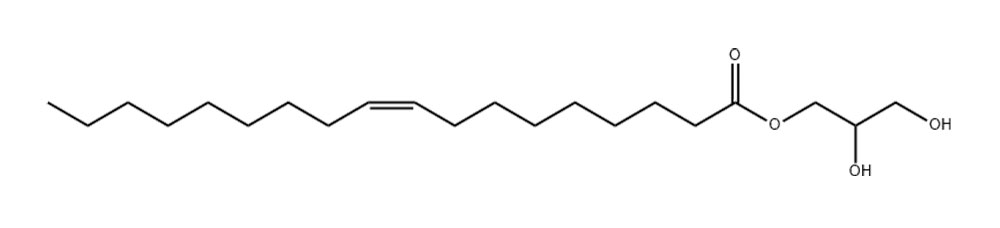
Glyceryl monooleate improves the absorption efficiency of oil-soluble vitamins.
Monoolein has a health function, increasing the content of unsaturated fatty acids in the human body and preventing the risk of cardiovascular and cerebrovascular diseases caused by intake of trans fatty acids.
Glyceryl monooleate CAS 111-03-5 is rich in oleic acid, linoleic acid and a small amount of linolenic acid, of which linoleic acid and linolenic acid can not be synthesized in the human body, and must be supplied by food every day, so it is called essential fatty acid, which is necessary to maintain normal human production and development and health.
Glyceryl monooleate can be completely degraded into oleic acid and glycerol in the body, and participate in the digestion and absorption of the human body, which can reduce the content of bad cholesterol, reduce blood lipids, increase the content of high-density lipoprotein in serum, reduce the generation of thrombosis, protect the health of cardiovascular and cerebrovascular cells, and maintain the normal operation of the growth and development of brain cells, brain nerves and retina.
Glyceryl monooleate is a widely used surfactant product that can be used in industry, food, cosmetics and other fields. The characteristics of UNILONG‘s glycerol monooleate, in addition to insisting on the use of plant-derived premium raw materials, also pay special attention to:
Glycerol has two hydroxyl groups, a- and b. Different hydroxyl groups participate in the reaction, and the product performance varies greatly. For example, compared with b-glycerol monooleate, a-glycerol monooleate has a linear molecule, a longer hydrophilic chain, and better hydrophilic-lipophilic balance. UNILONG can achieve selective control of the reaction of hydroxyl groups and launch products based on a-glycerol monooleate, which have better emulsification and dispersion capabilities.
Generally, the freezing point of glycerol oleate is ≥8℃, which is very inconvenient to use in winter.
Combined with precise molecular design, UNILONG has specially launched low-freezing point products with a freezing point of ≤-8℃, which can effectively solve the problem of crystallization of conventional products when the weather gets cold. This product is particularly suitable for low-temperature environments and has a wider range of application value in food, industry and other fields.
UNILONG has designed a professional food-grade production line to produce glycerol oleate with lighter colors, which is not only suitable for use in the food field, but also in the cosmetics and other industries.
What is glyoxylic acid CAS 298-12-4 for hair?
Glyoxylic Acid CAS 298-12-4 is a hair straightener widely used in styling cosmetics. It came as an excellent alternative to formaldehyde which causes severe damage to human health. Glyoxylic Acid CAS 298-12-4 is not only safer but also more effective. It also works as an anti-static and softening agent. In its raw form, it appears as a transparent liquid that is colorless to light yellow with an obnoxious odor. The chemical formula of Glyoxylic Acid is C2H2O3 and is also known as Oxoacetic acid.
It helps to break and reform disulfide bonds in hair, reducing frizz and curliness, resulting in smoother, shinier hair. Its milder action compared to traditional keratin treatments makes it a popular choice.
Skin care : In skincare, Glyoxylic Acid functions as an exfoliant and a skin-brightening agent.
Glyoxylic Acid is a highly beneficial ingredient in the world of cosmetics.
Hair care : Glyoxylic Acid is used in hair treatments, particularly in hair straightening and smoothing products. It helps to break and reform disulfide bonds in hair, reducing frizz and curliness, resulting in smoother, shinier hair. Its milder action compared to traditional keratin treatments makes it a popular choice
Skin care : In skincare, Glyoxylic Acid functions as an exfoliant and a skin-brightening agent. It helps remove dead skin cells, promoting cell turnover and improving skin texture. Additionally, it can reduce hyperpigmentation and even out skin tone, contributing to a more radiant and youthful appearance
Hair styling ingredient with semi-permanent hair straightening & hair conditioning effect. The carboxylic and aldehyde groups of glyoxylic acid react with the amine groups present in hair keratin resulting in the formation of stable bonds.
In particular, glyoxylic acid produces semi-permanent hair straightening without breaking the cystine disulfide bridge. It provides long lasting relaxing effect of hair fibres, without causing damage to the hair and scalp irritations typical of alkaline chemical and other straightening agents.
Glyoxylic acid from UNILONG is high purity cosmetic grade without glyoxal and without formaldehyde.
Glyoxylic acid finds use in hair straightening formulations to smooth wavy & tightly curly hair. When applied with flat iron it softens natural curls providing shiny silk appearance and improving hair maneageability.
Glyoxylic acid (GA) is widely used as a straight perming agent for hair care products; it penetrates deeply to repair, nourish, and reshape the hair shaft, allowing an intense and long-lasting smoothing action. Its molecules are activated by heat and create a protective net around the hair, keeping it smooth for up to 3 months from the date of application of treatment.
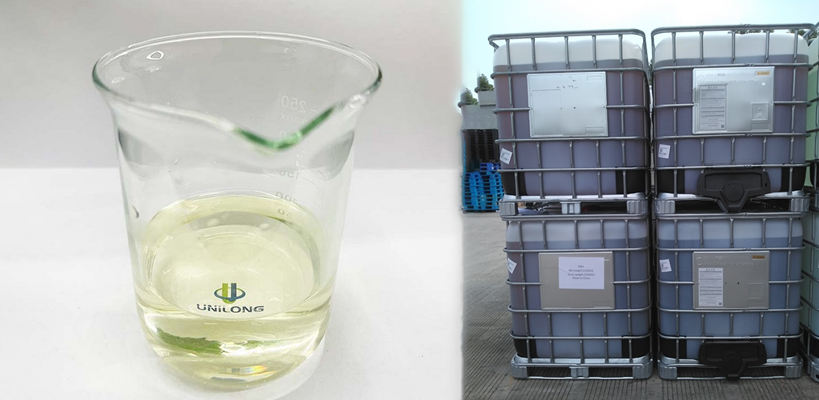
Unilong is a professional Glyoxylic acid manufacturer, we can provide a variety of product specifications of Organic Chemistry, quality assurance, fast delivery, have in stock.
PLGA is copolymerized by lactic acid (LA) and glycolic acid (GA), which can make full use of the advantages of PLA and PGA and make up for their respective shortcomings. The obtained PLGA has good degradability, biocompatibility and outstanding mechanical properties, heat resistance, and degradation controllability, making it the first batch of degradable medical polymer materials certified by (FDA), and is widely used in drug controlled release, medical fiber materials, bone tissue engineering scaffolds and other fields.
PLGA is usually a white solid with a glass transition temperature between 40 and 60 °C. It is in a glassy state at room temperature. The molecular chain shows strong rigidity and is generally an amorphous or semi-crystalline polymer.
The degradation performance of PLGA mainly depends on the copolymer monomer ratio, crystallinity, relative molecular mass, pH value, heat treatment conditions and mechanical load.
Since the GA unit is more hydrophilic than the LA unit, the higher the GA content in the copolymer, the faster the degradation rate. Gentile. summarized the degradation cycle of PLGA with different copolymer monomer ratios. As shown in Table 1, it can be seen that the degradation cycle of PLGA increases exponentially with the increase of LA content. When LA∶GA=50∶50, the degradation rate is the fastest, which is nearly 10 times faster than pure PLA.
PLGA has become one of the most widely used degradable medical polymer materials due to its good biocompatibility, degradability and mechanical properties. In practical applications, by controlling the synthesis method and aggregate structure, the degradation rate of PLGA can be effectively regulated to obtain PLGA products that meet the actual application needs, so that it has a broader application prospect in the fields of drug controlled release, medical surgical sutures, bone tissue engineering scaffolds, etc.
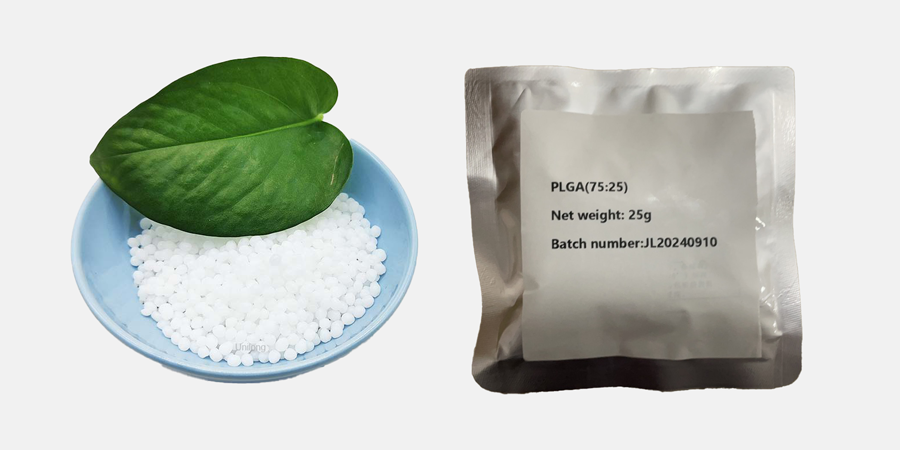
What is Dipropylene Glycol Dimethyl Ether CAS 111109-77-4?
Dipropyleneglycol Dimethyl Ether (DMM or DME) is a multi-purpose environmentally friendly solvent with a weak ether odor, moderate evaporation rate, excellent stability and solubility, and high safety for people. Its chemical formula is C8H18O3, molecular weight is 162.13, and it is a colorless and transparent liquid.
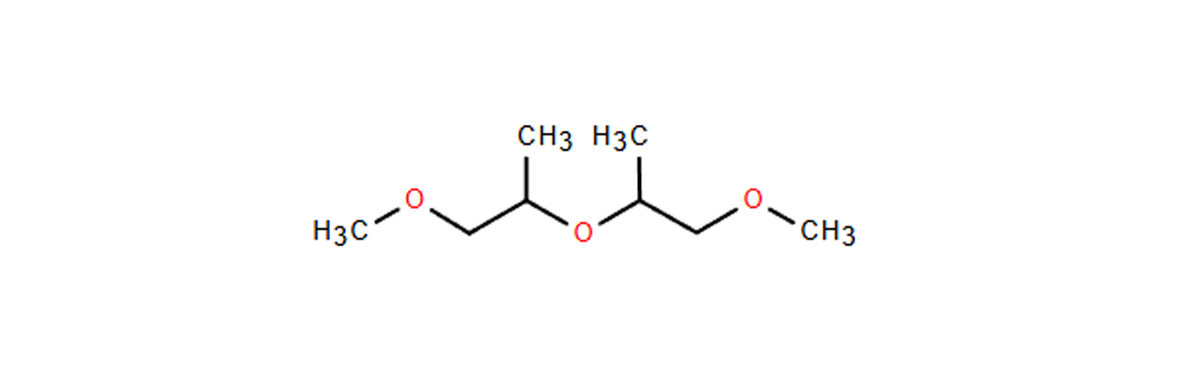
Dipropylene Glycol Dimethyl Ether (DPDM) is a low-toxic, moldable, hydrophilic, non-ionic, multi-purpose, environmentally friendly solvent with a slight ether odor, a moderate evaporation rate, excellent chemical stability, extremely excellent solubility, and high safety for people. The United States and the European Union list it as a green solvent for Non HAP/NAP. It is usually used in water-based and curing coatings and chemicals such as medicines and pesticides. It is widely used in cleaning agents, co-solvents, organic synthesis reaction solvents, additives and wetting solvents. It can replace N-methylpyrrolidone for cleaning agents in the electronics industry. In addition, it can also be used to synthesize polyurethanes.

Main uses:
1. Water-based and curing coatings: Dipropylene glycol dimethyl ether is often used in water-based and curing coatings as a solvent and diluent.
2. Polyurethane: It can be used to synthesize materials such as polyurethane.
3. Printing inks and enamels: Dipropylene glycol dimethyl ether is also used as a solvent for printing inks and enamels.
4. Cutting oils and working oils: It is used as a solvent and detergent in cutting oils and working oils.
5. Household and industrial cleaners: It is used in household and industrial cleaners, metal cleaners and hard surface cleaners.
6. Agricultural pesticides: It is used as a stabilizer for agricultural pesticides.
7. Cosmetics: It is used as a coupling agent and skin care agent in cosmetics.
Unilong is a professional Dipropylene glycol dimethyl ether with CAS 111109-77-4 manufacturer, we can provide a variety of product specifications of Organic Chemistry, quality assurance, fast delivery, have in stock. If you need any help, please contact us.
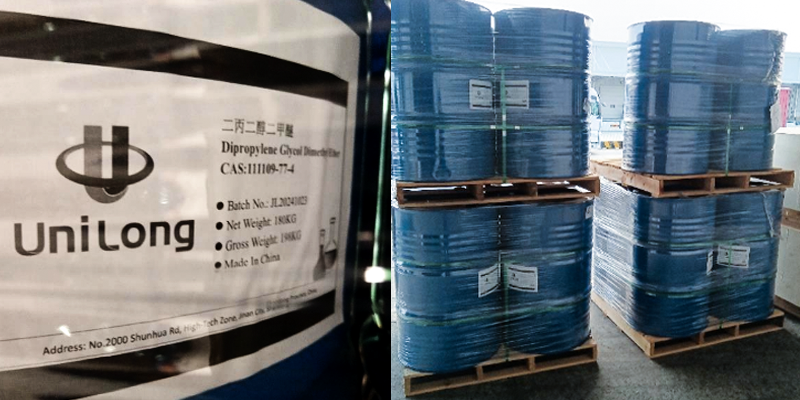
What Is Polystyrene sulfonic acid CAS 28210-41-5 ?
Poly (p-styrene sulfonic acid)(PSSA) is a polymer used as a hole-injection electrode in polymer-based light-emitting devices. Because of its low toxicity, high water solubility, high conductivity and other advantages, it is mainly used as a conductive polymer for antistatic coatings, polyelectrolytes, electrorecording and electrophotographic substrates and conductive and antistatic resins.
Polystyrene sulfonic acid CAS 28210-41-5 is a kind of polymer material obtained by sulfonic acid treatment based on polystyrene. Its structure makes it have good stability and excellent hydrophilicity, so it can show strong performance in many fields.
1.Water treatment
Polystyrene sulfonic acid is particularly widely used in the water treatment industry. It can be used as a flocculant to effectively remove suspended solids and impurities from water. Make the sewage clear and transparent, polystyrene sulfonic acid has a great role.
2.Plastics industry
In the plastics industry, polystyrene sulfonic acid is widely used as a plasticizer. It can improve the processing properties of plastics and make plastic products more flexible and durable.
3.The field of medicine
The application of polystyrene sulfonic acid in the field of medicine is also remarkable. It is used as a carrier in the drug delivery system to help drugs be released into the body more efficiently.
4.Electronics industry
In the electronics industry, polystyrene sulfonic acid is used as a conductive material. Its excellent electrical conductivity makes it an ideal choice for many electronic components.
5.Textile industry
As a highly effective antistatic agent, polystyrene sulfonic acid can significantly reduce the surface resistance of the material and effectively prevent the generation and accumulation of static electricity.
Advantages:
1. widely used in conductive materials, antistatic agent industry
2. low toxicity, high water solubility, high conductivity
3. conductive polymer

If you need Polystyrene Sulfonic Acid CAS 28210-41-5, please contact us.
What does sodium hyaluronate CAS 9067-32-7 do for your skin?
Sodium Hyaluronate CAS 9067-32-7 has been widely used in various fields such as medicine, beauty and cosmetics. Research has shown that CAS 9067-32-7 raw material has functions such as moisturizing, lubricating, antioxidant, anti apoptosis, anti-aging, penetration promoting, anti-inflammatory, and barrier repair. When used in cosmetics, Sodium Hyaluronate CAS 9067-32-7 can play a unique role in protecting the skin, keeping it moisturized, smooth, delicate, and elastic.Hyaluronic acid sodium salt has the effects of wrinkle prevention, anti-aging, beauty and health care, and restoring skin physiological functions.
Unilong Industry Co., Ltd. is a Chinese factory specializing in the production of sodium hyaluronate, which can produce various molecular weights of cosmetic grade sodium hyaluronate.
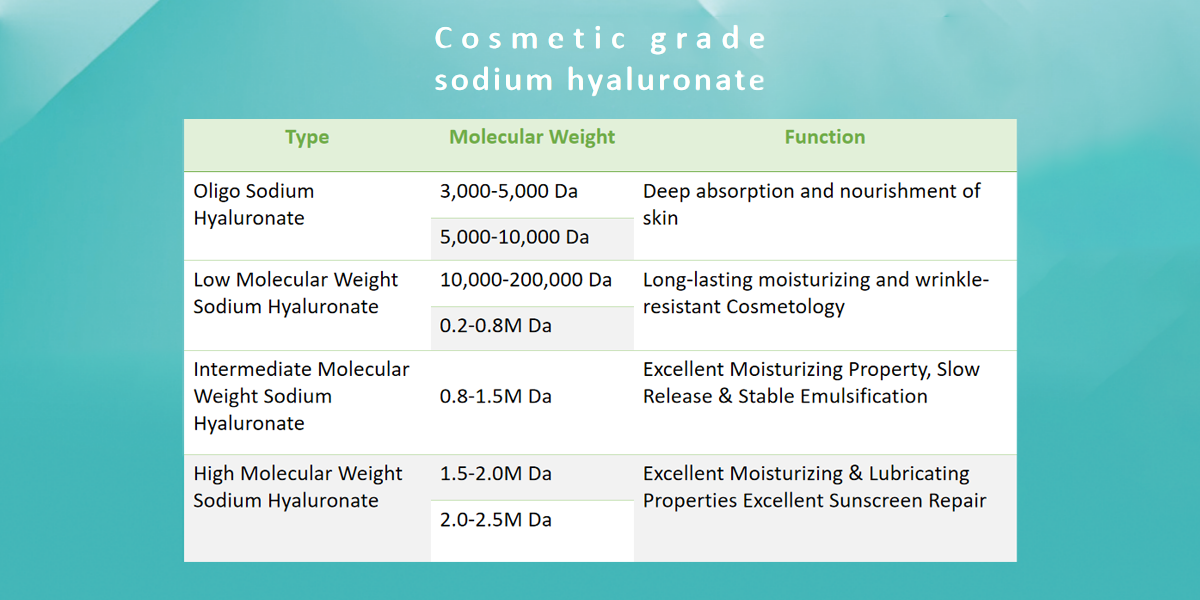
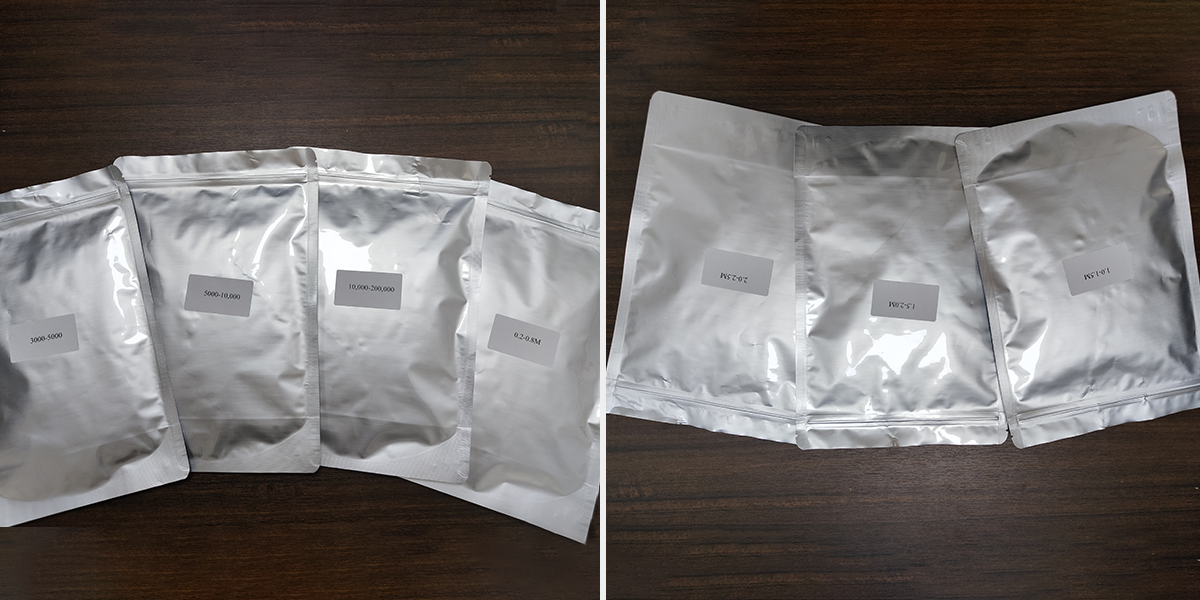
The main functions of sodium hyaluronate in skincare are:
Sodium Hyaluronate CAS 9067-32-7 has a high degree of hydrophilicity and can adapt to the moisturizing needs of cosmetics on the skin in different seasons and environmental humidity. sodium salt hyaluronic acid can form a moisturizing film on the surface of the skin, effectively locking in moisture and increasing the skin’s water content.
If the skin is affected by exposure to sunlight, ultraviolet rays, etc. and becomes red, black, peeling, or has eczema or allergic dermatitis, then the strong support of sodium hyaluronate is needed. Because hyaluronic acid sodium salt powder can promote the proliferation and differentiation of epidermal cells, stimulate cell regeneration and eliminate oxygen free radicals, promote damaged tissue repair, promote skin regeneration at the injured site, accelerate wound healing, and have a certain preventive effect when used in advance.
As age increases, the content of hyaluronic acid in the skin decreases, collagen is lost, and the skin’s water retention function weakens, leading to wrinkles.

Sodium Hyaluronate CAS 9067-32-7 aqueous solution has strong viscoelasticity and lubricity. When applied to the skin surface, Sodium hyaluronate can form a moisturizing and breathable film, keeping the skin moisturized and radiant. Small molecule hyaluronic acid can penetrate into the dermis layer, promote blood microcirculation, facilitate the absorption of nutrients by the skin, and play a role in beauty and wrinkle resistance. At the same time, Sodium hyaluronate prevents skin aging and plays a role in beauty and skincare.
Polyvinylpyrrolidone(PVP) In Biodegradable Plastics
PVP polyvinylpyrrolidone with CAS 9003-39-8. Its molecular formula is (C6H9NO)n, where n represents the degree of polymerization, that is, the molecular weight of the polymer. PVP has specific chemical structure and physical properties, making it widely used in many fields.
With the increasing severity of global environmental problems, reducing plastic pollution and promoting sustainable development have become urgent issues to be solved. Biodegradable plastics are of great significance to environmental protection because of their ability to degrade in the natural environment and reduce long-term plastic waste. Such materials can be broken down by microorganisms under certain conditions and eventually converted into carbon dioxide, water and biomass, reducing the damage to the ecosystem. However, biodegradable plastics still need to be further optimized in terms of mechanical properties and degradation rate.
The application of polyvinylpyrrolidone in biodegradable plastics is mainly reflected in its application as a modifier, which significantly improves the mechanical properties and degradation rate of the material by combining with other biodegradable materials.
PVP is a synthetic water-soluble polymer with high solubility, adhesion and chemical stability. Due to its good film formation and chemical stability, PVP can be used as a modifier to combine with other biodegradable materials such as polyvinyl alcohol (PVA) to significantly improve the overall environmental performance of the material. For example, studies have shown that PVP can increase the hydrolysis rate of PVA, thus accelerating the biodegradation process of plastics. In addition, the introduction of PVP can also increase the toughness and elasticity of the material, making it more durable and reliable in practical applications.

PVP is used as a catalyst to accelerate the degradation of plastics. Compared with traditional plastic degradation technology, PVP catalytic degradation technology has the following advantages:
(1) Low cost: PVP, as a common and cheap polymer, has a relatively low cost of degradation reaction, which is convenient for large-scale application;
(2) Efficient degradation: PVP catalyst can effectively decompose plastics, accelerate the degradation process, so that the degradation rate can be improved, and the degradation effect is more significant;
(3) Environmental protection and sustainable: PVP catalytic degradation technology can achieve efficient degradation of plastics, and will not produce toxic and harmful substances, more friendly to the environment.
The combination of PVP and PVA is a typical successful case. PVA/PVP hydrogels prepared by γ-ray irradiation have demonstrated excellent biodegradability and antimicrobial properties, which makes them have wide application potential in medical and agricultural fields. Specific case studies have shown that the degradation rate of PVA/PVP hydrogels in soil is significantly increased, helping to reduce the environmental impact of agricultural waste.
The advantages of PVP as a modifier lie in its high solubility, excellent film formation and chemical stability, which enable it to enhance the mechanical properties and degradation rate of biodegradable plastics. HowPolyvinylpyrrolidoneever, PVP is not a fully biodegradable material on its own, so it needs to be combined with other biodegradable materials when used. In addition, PVP is heavily used in aquaculture as a polymer that is difficult to biodegrade and may cause long-term pollution to the environment.
In summary, the application of PVP in biodegradable plastics is mainly through combining with other biodegradable materials to significantly improve the performance and environmental adaptability of materials.
What is the cellulose acetate butyrate (CAB) uses?
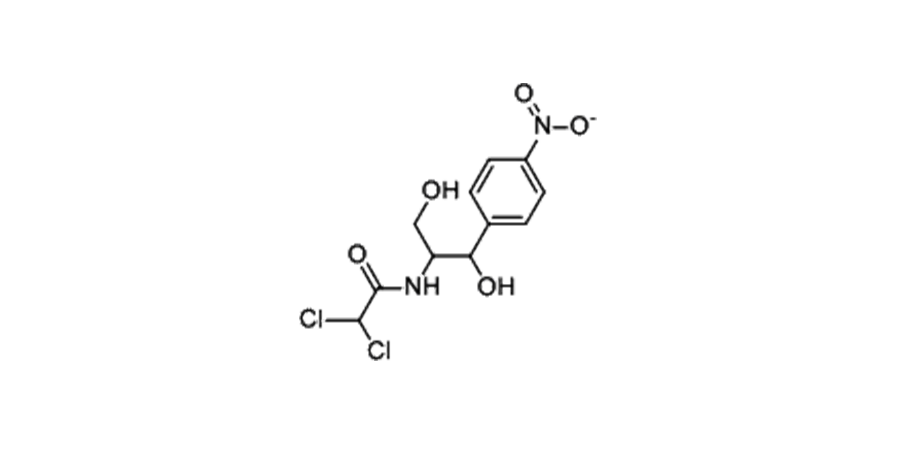
Cellulose acetate butyrate (CAB) is a cellulose ester produced by the esterification reaction of acetic acid and butyric acid. It is usually white floc or granular material, similar to cellulose acetate. Cellulose acetate butyrate has good solubility in polar solvents, especially those containing hydroxyl groups. It has good weather resistance and cold resistance, suitable for outdoor use. In addition, it also has good thermal stability, with a melting temperature of 140°C and a heat distortion temperature between 45 and 94°C.
Modification research: Cellulose acetate butyrate can be modified to improve its properties. For example, water-soluble resin made of acrylate-grafted cellulose acetate butyrate is synthesized through solution polymerization method, which can significantly improve its hardness, adhesion and other properties. In addition, by using maleic anhydride to modify cellulose acetate butyrate, a photocurable coating with good water resistance and high hardness can be obtained. These modification methods further expand the application scope of cellulose acetate butyrate.
CAB-381-0.1 product features: low viscosity, faster drying, no yellowing, no cracking.
Application: Adding it to metal coatings can accelerate the release of solvents from the paint film and shorten the touch-drying time; adding it to plastic coatings can enhance wear resistance, color stability, and increase toughness.
CAB 381-0.5 is a cellulose ester with medium butyryl content and low viscosity. It was designed for use where low-application viscosities at relatively high solids levels is needed. It is soluble in a wide range of solvents and compatible with many other resins. It will also tolerate the use of solvent blends currently exempt from certain air pollution regulations. It is supplied as a dry, free-flowing powder.
CAB-381-0.5 can improve the drying speed, polishing and fluidity of automotive varnishes, thereby bringing a better appearance and improving the coating efficiency of auto repair shops. In wood coatings, it can make the coating resistant to yellowing. In coil coatings, it can improve the matting efficiency, pigment dispersion and co-dispersant of the coating. In printing, it has good leveling and adhesion.
CAB-381-2 product features: excellent weather resistance and UV resistance; excellent flexibility; excellent miscibility, leveling and anti-“runny nose”.
Application: automotive paint, plastic paint, wood paint, ink, leather paint, paper paint to increase drying speed.
CAB-551-0.01 has many unique properties that allow it to be used in many different coating applications. It has the lowest Tg (glass transition temperature) and M (n) of the CAB group, which makes it compatible with other coating components. It is compatible with many cross-linking resins and has a low solution viscosity.
In coatings, CAB-551-0.01 provides clear films, reduces surface tack and spotting, minimizes cratering, improves flow and thermal reflow, and provides inter-coat adhesion and good UV stability. Its good compatibility with a variety of curing resin systems and its solubility in a variety of solvents and solvent combinations make it useful as an additive in digital coating compositions. It is often used in gravure printing, inkjet, printing inks, metal coatings, packaging and carton coatings, etc.
CAB-551-0.2 is a cellulose ester with high butyryl content and low relative molecular weight. It is compatible with many cross-linked resins and can obtain lower viscosity. In coatings, cellulose acetate butyrate (CAB-551-0.2) has good transparency, reduces surface spots, reduces shrinkage, improves fluidity, provides interlayer adhesion and good UV resistance. This product can improve the durability of cross-linked systems. Due to its excellent compatibility and solubility, it can be used as a useful additive in a variety of coating systems.
CAB-551-0.2 has little odor and excellent oil resistance. It can be used for printing inks, paper and fabric coating, and UV resistance. It is widely used in the coating industry and has its uniqueness, which is difficult to be replaced by other chemicals; in the automotive and furniture industries, it has excellent weather resistance and UV resistance.
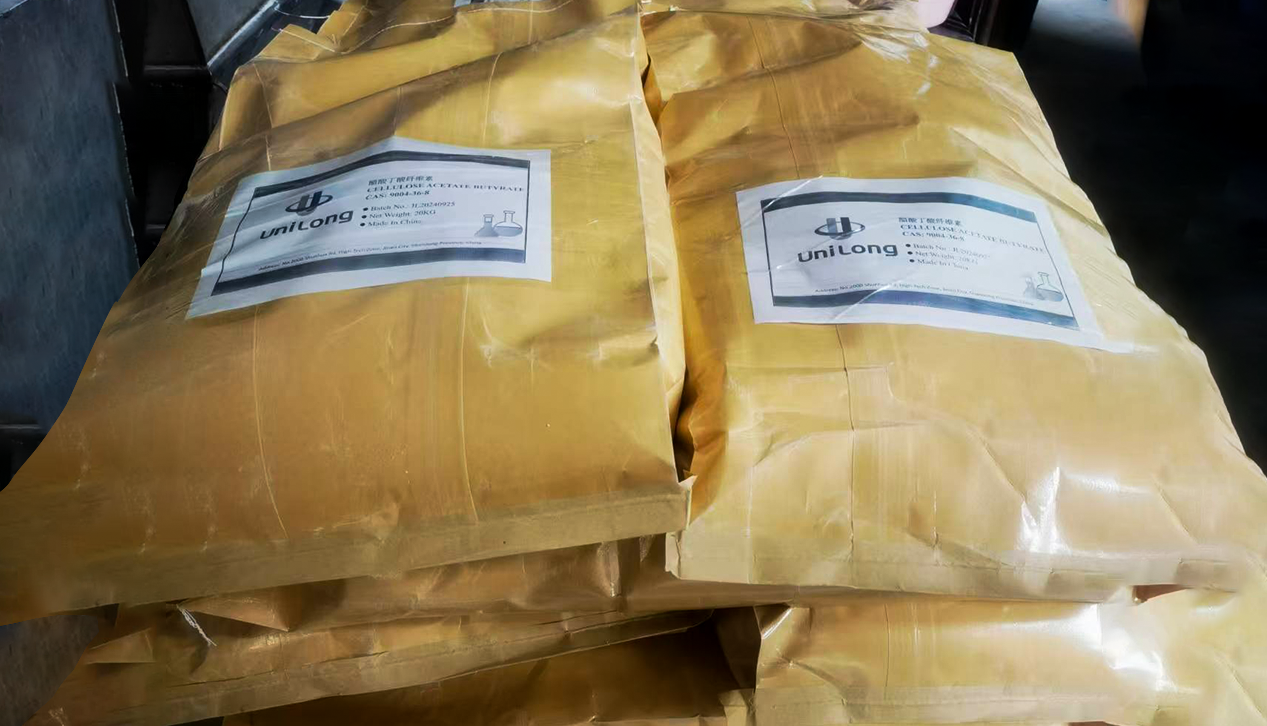
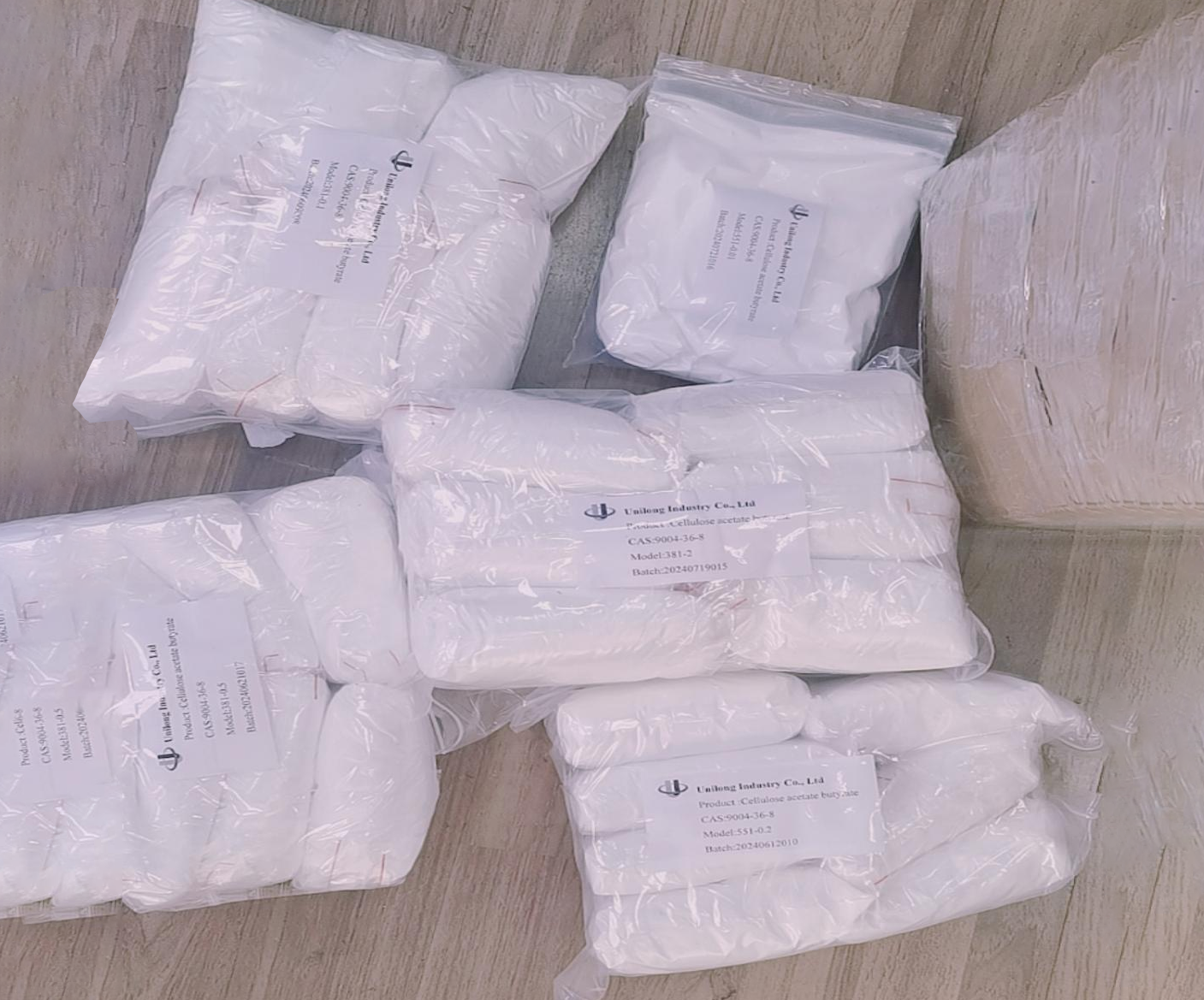
Discover the Secret of N-Acetyl-D-Glucosamine CAS 7512-17-6
N-Acetyl-D-Glucosamine CAS 7512-17-6 occupies an important position in biological cells. It is the basic component unit of many important polysaccharides, especially the exoskeleton of crustaceans. Its chemical formula is C8H15NO6 and its molecular weight is 221.21. It appears as a white powder.

N-Acetyl-D-Glucosamine CAS 7512-17-6 plays an important role in the medical field. It is widely used to treat joint diseases such as rheumatic and rheumatoid arthritis. It can relieve joint pain, improve joint mobility, and help slow the progression of joint degeneration.

N-Acetyl-D-Glucosamine CAS 7512-17-6 is widely utilized in pet food, pet nutritional supplements, and pet skincare products due to its notable effects in treating arthritis, preventing urinary infections, reducing hair shedding, boosting immunity, and regulating gut microbiota balance.

In the field of cosmetics, N-Acetyl-D-Glucosamine CAS 7512-17-6 is used to improve skin quality. It can promote the synthesis of collagen, help maintain skin elasticity and moisture, improve skin dryness and aging, and has moisturizing and anti-aging effects.

N-Acetyl-D-Glucosamine, as a novel plant immune inducer, has shown significant effects in disease resistance, yield enhancement, and pesticide mitigation for economically important crops such as tea, fruits, and staple crops like rice.
If you need N-Acetyl-D-Glucosamine CAS 7512-17-6, please contact us.
October 1st is an important day in China, National Day, and the whole country celebrates this day every year. According to China’s statutory rest regulations, we will be on holiday from October 1st to October 7th, and will be back to work on October 8th.
If you have any urgent questions during the holiday, please feel free to contact us via Whatsapp 008615668417750 or 008618653132120. Thank you for your understanding and support.

Polycaprolactone: Opening a new era of sustainable development
Polycaprolactone (PCL) is a high molecular weight organic polymer produced by ring-opening polymerization of ε-caprolactone monomer under the catalysis of metal anion complex catalyst. It is a semi-crystalline linear aliphatic polyester.

Polycaprolactone with cas 24980-41-4 has good processing characteristics and can adapt to a variety of processing methods such as extrusion, injection molding, and film blowing. This makes it highly flexible in the production process and can be processed into products of various shapes and sizes according to different needs.
Polycaprolactone exhibits excellent biocompatibility. It has good compatibility with biological cells in the body, cells can grow normally on its scaffold, and can be degraded into CO₂ and H₂O. This property makes polycaprolactone have a wide range of application prospects in the medical field, such as being used as a controlled release drug carrier, cell and tissue culture medium frame, and fully degradable plastic surgical sutures.

Under the background of global “plastic ban”, polycaprolactone has become a rising star in the field of biodegradable plastics with its good biodegradability. As people’s awareness of environmental protection continues to increase, the demand for biodegradable materials will continue to grow.
As a biodegradable green and environmentally friendly material, polycaprolactone has broad application prospects and huge potential in future sustainable development. With the continuous advancement of technology and the continuous expansion of application fields, polycaprolactone will surely play a more important role in various fields.

Do You Know Sodium hyaluronate
In today’s rapidly changing science and technology, all kinds of magical substances continue to emerge, bringing many surprises to our lives. And sodium hyaluronate, this seemingly strange term, has quietly entered our lives and become a messenger of beauty and hope.

Sodium hyaluronate, also known as hyaluronic acid, CAS 9067-32-7, is a substance that occurs naturally in the human body. It has a powerful moisturizing function, can absorb its own weight of water thousands of times, inject full of water vitality into the skin. In the field of beauty, sodium hyaluronate is a shining star. It is widely used in skin care products, cosmetics and medical cosmetics, bringing beauty and confidence to people.

1. Moisturizing, nourishing, promoting skin repair and healing, anti-wrinkle and other effects.
2. Sodium hyaluronate has the functions of moisturizing, nourishing and repairing in cosmetics.
3. Efficacy and function of sodium hyaluronate in the fields of medical cosmetology and joint health care.
Since ancient times, the pursuit of beauty has never stopped. Since ancient times, people have been using a variety of natural substances to maintain the skin. And now, with the development of science and technology, the emergence of sodium hyaluronate has added new impetus to our beauty road. It is like a magic magician, can instantly make the skin become hydrated and smooth, glow with youth. When we have healthy and beautiful skin, we will be more leisurely to face the challenges of life and show the best side of ourselves. Sodium hyaluronate in cream, cream, honey, milk, facial mask, shampoo and other cosmetics as a moisturizing agent, keep skin and hair moisture, increase the role of luster.

However, the significance of sodium hyaluronate is much more than that. In the medical field, it also plays an important role. Sodium hyaluronate can be used to treat joint diseases, relieve pain, and improve joint function. It is like a gentle guardian, bringing hope and comfort to patients. In addition, sodium hyaluronate can also be used in eye surgery, wound healing and other aspects of human health has made a great contribution.
The progress of science and technology has brought us countless possibilities, and sodium hyaluronate is one of them. Its emergence, let us see the pace of human beings in the pursuit of health and beauty on the road. In the future, with the continuous development of science and technology, it is believed that sodium hyaluronate will play a greater role and bring more surprises to our lives.

At the same time, we should also understand and use sodium hyaluronate correctly. In the pursuit of beauty and health, we can not blindly follow the trend, but should choose the right products and methods according to their actual situation. Only in this way can we truly bring out the advantages of sodium hyaluronate and let it bring more beauty to our lives.
Nonivamide, also known as capsaicin, is the active ingredient of the red pepper plant. It is irritating to mammals, including humans, and can create a burning sensation in the skin. The molecular formula of capsaicin is C17H27NO3, molecular weight is 293.4, cas 2444-46-4. This compound has water-repellent lipophilic properties and is colorless and odorless crystalline or waxy compound. Nonivamide is not only found in red pepper, but also widely used in food, medicine and other industrial fields, and has attracted attention for its unique spicy taste and physiological activity. In addition, Nonivamide has some potential health benefits, such as helping with weight loss, which makes it an important object for scientific research and technological development.

Nonivamide is a natural alkaloid. It is a highly volatile, lipophilic and hydrophobic white crystalline powder 85% to 95% of nonivamide can be rapidly absorbed through the gastrointestinal tract. After absorption, nonivamide is mainly metabolized by liver cytochrome enzyme P450, and a small part is hydrolyzed in the small intestine. Metabolites are excreted mainly through the kidneys, and a small part is excreted in the form of prototype feces and urine. After systemic administration, capsaicin concentrations were higher in the brain, spinal cord and liver.
Pharmaceutical field: The application of nonivamide in the pharmaceutical field includes analgesia without addiction, inhibition of bacteria and fungi, and promotion of blood circulation. Nonivamide can be made into a rub, tincture, cream, patch and other forms.
Agricultural field: nonivamide as an expelling agent, the use of its strong tear-jerking effect, used in the manufacture of tear-jerking and other expelling equipment, personal defense articles, widely used in agriculture to expel pests and wildlife.

Marine antifouling field: nonivamide is used as a biological antifouling agent, has been used in Marine antifouling coatings, coated on ships and Marine buildings in contact with the seawater to prevent the attachment of algae, shellfish, mollusks and other Marine organisms, in order to prevent the accumulation of aquatic organisms in the hull of the purpose of replacing the traditional organotin antifouling coatings.
Cosmetics and health care products: nonivamide is widely used in food, health care products, cosmetics and other fields, its tear-inducing properties make it an ideal ingredient in these fields.
In addition, nonivamide also has pharmacological effects such as analgesic, anti-inflammatory, frostbite, antipruritic, bactericidal, drug rehabilitation, etc. It should be stored at low temperature, and long-term exposure to air will lead to reduced content.
We are a nonivamide supplier, nonivamide products for a long time in stock supply, can provide different specifications of packaging options, and according to demand for sub-packaging. Unilong is a domestic high-quality chemical supplier, some products can even be delivered on the same day, and the transportation is convenient and fast, and the global delivery, if you need, please feel free to contact me.
Zirconium dicarbonate, ZBC, CAS No. 36577-48-7, zirconium dicarbonate is a white or colorless chemical that is soluble in acid and delixable, requiring airtight storage. Zirconium dicarbonate ZBC is a processing agent used in the production of high-grade paints, coatings and fibers. Let’s take a look at zirconium dicarbonate.
 Zirconium-dicarbonate
Melting point: zirconium dicarbonate has a melting point of 135°C.
Solubility: zirconium dicarbonate is insoluble in water and common organic solvents, but soluble in acidic aqueous solutions. It can be dissolved in acetic acid, caprylic acid, capric acid and other organic acids to produce the corresponding organozirconium compounds, and can be dissolved in potassium carbonate and ammonium carbonate to produce the corresponding zirconium carbonate derivative compounds.
Chemical stability: zirconium dicarbonate is easily converted into zirconium oxide at high temperatures and is sensitive to heat sources. At high temperatures, it will decompose and release a molecule of carbon dioxide to produce the corresponding zirconia, so it is also the most economical raw material for the production of ultrafine zirconia .
Storage precautions: zirconium dicarbonate is stored in a cool, ventilated warehouse. The storage temperature should not exceed 37°C.
We are professional zirconium dicarbonate manufacturers, can provide different zirconium carbonate:
| Product | Molecular formula | Z rO 2+HfO2 (MIN) | SiO2 (MAX) | Fe2O3 (MAX) | Na2O (MAX) | TiO2 (MAX) | PH | Model |
| Zirconium dicarbonate | ZrOCO3·nH2O | 42 | 0.0040 | 0.0020 | 0.05 | 0.001 | 4-6 | JLZBC-1 |
| Zirconium dicarbonate | ZrOCO3·nH2O | 40 | 0.0050 | 0.0020 | 0.05 | 0.001 | 4-6 | JLZBC-2 |
| Zirconium dicarbonate | ZrOCO3·nH2O | 38.5 | 0.0050 | 0.0020 | 4-5 | 0.001 | 7.9-8.1 | JLZBC-3 |
| Zirconium dicarbonate | ZrOCO3·nH2O | 38.5 | 0.0050 | 0.0020 | 0.01 | 0.001 | 7.9-8.1 | JLZBC-4 |
| Packing | Woven bag with plastic bag inside 25kg/500kg or as per customer’s requirement | |||||||
Industrial uses: Zirconium dicarbonate is used in the manufacture of ternary catalysts, zirconium compound intermediates, chemical reagents .
Automotive industry: Zirconium dicarbonate is also used as a catalyst for automotive exhaust gas treatment, playing a key role in reducing harmful substances in automotive exhaust emissions.
 Zirconium-dicarbonate-application
Paints and paints: Zirconium dicarbonate plays an important role in the production of high-grade paints and coatings, enhancing the performance and durability of coatings.
Fiber treatment agent: In addition, ZBC is used as a fiber treatment agent to improve the physical and chemical properties of the fiber and make it more suitable for specific application scenarios.
In summary, because of its unique physical and chemical properties, zirconium dicarbonate ZBC plays an important role in a number of industrial fields, from automobile exhaust treatment to the manufacture of high-grade coatings, to fiber treatment agents, are inseparable from the application of zirconium dicarbonate.
Do You Know Polyethylenimine PEI
Polyethyleneimine (PEI) is a cationic polymer with multiple amino groups, CAS number 9002-98-6. PEI has a wide range of applications in various fields due to its unique chemical and physical properties. The diversity and multifunctionality of polyethyleneimine make it a very useful industrial chemical. Next, we will mainly understand the application of polyethyleneimine in the field of polymers. PEI, due to its unique chemical structure and functional properties, can be used as a compatibilizer between polymers. Mainly by forming hydrogen bonds or ionic bonds to interact with different polymer substrates, the compatibility of polymer mixtures is improved. What are the main factors we consider when choosing polyethyleneimine as a compatibilizer?

1. Solubility: PEI with lower molecular weight usually has better solubility, which may help improve its dispersibility in polymer mixtures.
2. Reactivity: PEI with higher molecular weight may have higher reactivity and can react more effectively with other polymer chains to form stronger chemical bonds.
3. Compatibility: The choice of molecular weight also affects the compatibility of PEI with the target polymer. Sometimes, PEI with medium molecular weight may provide the best compatibility and compatibilization effect.
However, polyethyleneimine should be noted that factors such as the concentration, molecular weight, and reaction conditions of polyethyleneimine can affect its effectiveness as a compatibilizer. Different applications may require PEI with different molecular weights. For example, in water treatment or gas purification applications, higher molecular weight PEI may be required to enhance its adsorption performance. In practical applications, it may be necessary to determine the most suitable PEI molecular weight for a specific polymer system through experiments. Usually, suppliers will provide PEI products with different molecular weights to meet the needs of different customers.

At the same time, cost-effectiveness should also be considered. PEI with higher molecular weight may have higher costs. In practical applications, polyethyleneimine may be necessary to determine the most suitable PEI molecular weight for a specific polymer system through experiments. Usually, polyethyleneimine suppliers will provide polyethyleneimine PEI products with different molecular weights to meet the needs of different customers. When selecting the appropriate PEI molecular weight, reference can be made to the technical data sheet (TDS) and safety data sheet (SDS) provided by the Unilong, as well as relevant research literature and experimental data.
In addition, as the specific recommended molecular weight may depend on specific polymer systems and application requirements, polyethyleneimine is recommended to collaborate with materials scientists or chemical engineers to conduct detailed experiments and analysis to determine the optimal PEI molecular weight.
What is ethylene carbonate used for
Ethylene carbonate is an organic solvent with excellent properties, which can dissolve various polymers. It can also be used as an organic intermediate, can replace ethylene oxide for dioxylation reaction, and is the main raw material for the production of dimethyl carbonate by transesterification. Ethylene carbonate has a wide range of uses, including as an organic solvent, synthetic intermediate, and solvent for lithium battery electrolyte.

Ethylene carbonate EC, CAS number 96-49-1. EC is a clear colorless liquid with the chemical formula C4H6O3, with a flavor similar to ester, with a melting point of -47 ° C and a boiling point of 126~127 ° C. Ethylene carbonate is non-flammable, insoluble in water, and volatile, and can dissolve in alcohols, ethers, and aromatic hydrocarbons. Ethylene carbonate is a compound widely used in polyester, cosmetics and industry due to its excellent stability and optical transparency and excellent solubility in various media.

Ethylene carbonate (EC) is a common chemical raw material in ethylene carbonate (EC) with high boiling point, odorless, and having high solubility to high polymers. Ethylene carbonate itself is exposed to air for crystallization does not cause great harm. The low toxicity of ethylene carbonate means that has less effect on human body when used and treated with ethylene carbonate than some other chemicals. However, to be safe, is still required to avoid contact with skin and eyes, and take appropriate protective measures.
Application of Ethylene carbonate in the manufacture of polyester ethylene carbonate plays an important role in manufacturing polyester materials. Polyester materials are widely used in food packaging, beverage bottles, chemical fibers, automotive parts and other fields. Ethylene carbonate is an important intermediate in the production of polyester. Through polymerization reaction, Ethylene carbonate can be combined with ethylene glycol to form polyester chain to form polyester material. Polyester has many properties such as high hardness, good strength and UV radiation resistance, so it is widely used.

Application of ethylene carbonate in industrial applications
Ethylene carbonate also plays an important role in industrial production. As a catalyst for the synthesis of polymers and coatings, Ethylene carbonate can be used to produce various functional polyamides, epoxy resins and aliphatic polyesters. In addition, Ethylene carbonate can also be used as an intermediate of furan resin to accelerate the hardening reaction of the material and improve process parameters and product quality. Ethylene carbonate can be used as pharmaceutical ingredient and raw material, fiber finishing agent, water glass slurry, etc. In addition, it can also be used as a solvent to remove acid gas and as an additive to concrete.
Use of ethylene carbonate in cosmetics and personal care products
Ethylene carbonate is also widely used in cosmetics and personal care products such as lipstick, nail polish, sunscreen and shampoo. Ethylene carbonate can be used to increase the opacity of cosmetics, improve surface gloss, and enhance the durability of ink coatings. Ethylene carbonate can also be used to manufacture artificial pearls and increase the stability of the material.

Application of ethylene carbonate to lithium battery
Ethylene carbonate is an excellent solvent for lithium-ion battery electrolyte in the battery industry, especially in lithium-ion batteries, where its electrolyte composition with high permittivity is crucial for improving battery performance. In order to reduce the viscosity and melting point of the electrolyte, other components such as dimethyl carbonate and methyl ethyl carbonate can be added.

To sum up, vinyl carbonate not only has a variety of applications in the chemical industry, but also plays an important role in new energy fields such as the production of lithium battery electrolytes. With the continuous development of new energy technologies, the demand for vinyl carbonate is expected to grow further. Our company is a professional manufacturer of ethylene carbonate with rich experience in the chemical industry. As we produce and market ethylene carbonate by ourselves, we have advantages in ethylene carbonate bulk price. At the same time, I hope this article can help you understand the product ethylene carbonate.
What is glyoxylic acid monohydrate
Glyoxylic acid monohydrate is an important chemical intermediate which is mainly used in pharmaceutical, pesticide, dye and plastic industries. The synthesis process of Glyoxylic acid monohydrate has been optimized to reduce environmental pollution and improve production efficiency. At present, the market demand for this compound is steadily growing, especially in the field of green chemistry, as it can be used as a feedstock for biodegradable polymers, in line with the sustainable development trend.

Glyoxylic acid monohydrate has the formula C2H4O4, molecular weight 92.05, cas 563-96-2. Glyoxylic acid monohydrate exhibits stable chemical properties at room temperature and pressure but it decomposes when heated or in contact with strong acids and bases, forming acetaldehyde and carbon dioxide. In addition, glyoxylic acid monohydrate can be formed into complexes with metal ions, can also be esterified, these properties make it a commonly used intermediate in organic synthesis.

Glyoxylic acid monohydrate has the properties of both aldehydes and acids, which makes it play an important role in chemical synthesis. The compound is also widely found in nature it is found both in immature fruits and in the tender green leaves.
Medical field
Glyoxylic acid hydrate can be used as pharmaceutical raw material especially in the preparation of some drugs has many uses in medicine, can be directly used, can also be used as an additive, can be used as a cosmetic additive in light chemical industry, can be used as a plant growth regulator in agriculture.

Industrial field
Glyoxylic acid hydrate can also be used as raw material for some fine chemical products, such as automotive paint additive.

Fragrance synthesis
Glyoxylic acid hydrate can be used to synthesize vanillin, ethyl vanillin and other fragrances, these fragrances are widely used in cosmetics, soap, cigarettes, pastries, confectionery and baked goods, is one of the most widely used fragrances.
Field of pesticide production
In the field of pesticides, glyoxylic acid hydrate can be used to produce products such as glyphosate.

Other applications
Glyoxylic acid hydrate can also be used to synthesize compounds such as p-hydroxyphenylacetic acid, these compounds are also widely used in a variety of industries.
Because of its unique chemical properties, plays an important role in many fields such as medicine, fine chemical industry, spices and pesticides. Due to a wide range of uses, the market demand is relatively large, glyoxylic acid monohydrate price is also uneven, so we must pay attention to the selection of procurement. We are a professional glyoxylic acid monohydrate manufacturer, engaged in chemical production for more than 10 years, with a professional R & D team and advanced machinery and equipment, any question about the product, welcome to consult, look forward to working with you.