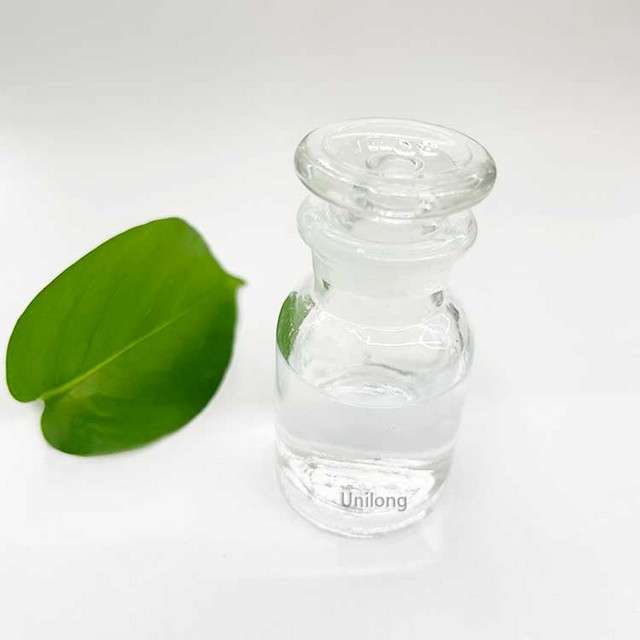
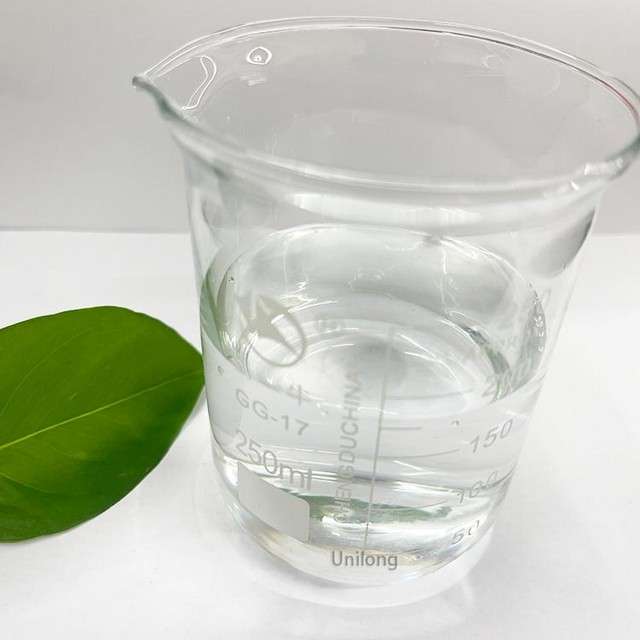
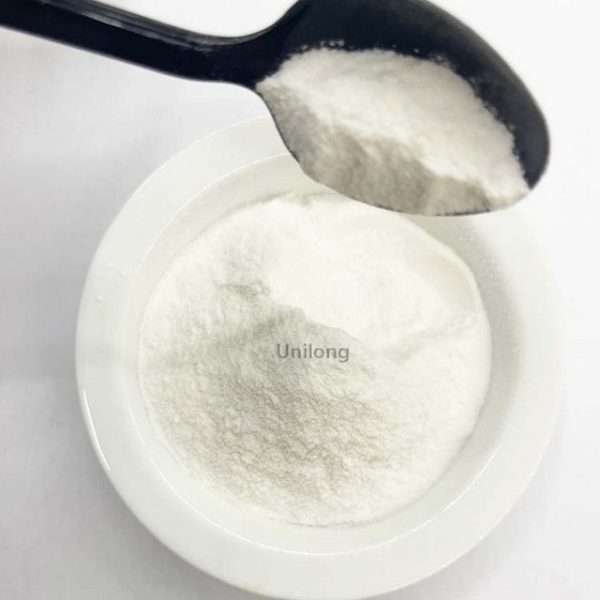
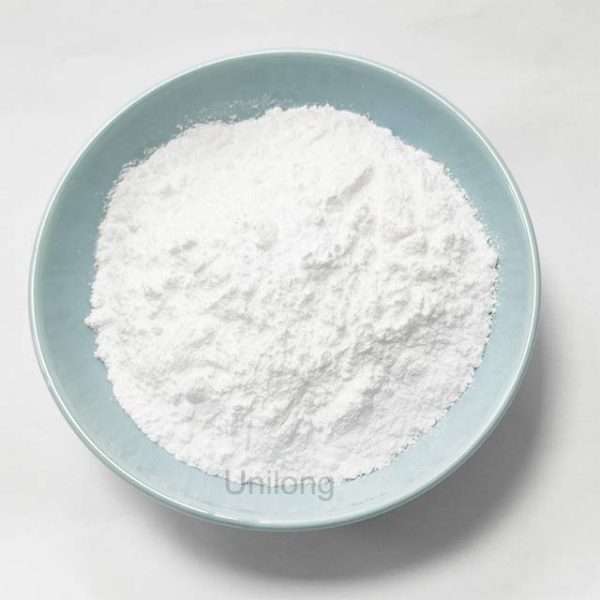
The properties vary depending on the relative molecular weight, ranging from colorless and odorless viscous liquid to waxy solid. Those with a molecular weight of 200 to 600 are liquid at room temperature, and those with a molecular weight above 600 gradually become semi-solid. The properties also vary with the difference in average molecular weight. From colorless and odorless viscous liquid to waxy solid. As the molecular weight increases, its moisture absorption capacity decreases accordingly. This product is soluble in water, ethanol and many other organic solvents. Low vapor pressure, stable to heat, acid and alkali. Does not work with many chemicals. It has good hygroscopicity, lubricity and adhesion. Non-toxic and non-irritating. The average molecular weight is 300, n=5~5.75, the melting point is -15~8℃, and the relative density is 1.124~1.130. The average molecular weight is 6Chemicalbook00, n=12~13, the melting point is 20~25℃, the flash point is 246℃, and the relative density is 1.13 (20℃). The average molecular weight is 4000, n=70~85, and the melting point is 53~56℃. Under normal conditions, polyethylene glycol is very stable, but it can react with oxygen in the air at temperatures of 120°C or higher. In an inert atmosphere (such as nitrogen and carbon dioxide), it will not change even if it is heated to 200~240℃. When the temperature rises to 300℃, thermal cracking will occur. Adding antioxidants, such as phenothiazine with a mass fraction of 0.25% to 0.5%, can improve its chemical stability. Any of its decomposition products are volatile and will not form a crusty or slimy sediment.
Specification
Item
Appearance(25℃)
Color Pt-Co
Hydroxyl valuemgKOH/g
MW
Freezing point℃
Water(%)
pH
PEG-200
colorless transparent liquid
≤20
510~623
180~220
—
≤1.0
5.0~7.0
PEG-300
colorless transparent liquid
≤20
340~416
270~330
—
≤1.0
5.0~7.0
PEG-400
colorless transparent liquid
≤20
255~312
360~440
4~10
≤1.0
5.0~7.0
PEG-600
colorless transparent liquid
≤20
170~208
540~660
20~25
≤1.0
5.0~7.0
PEG-800
Milky white paste
≤20
127~156
720~880
26~32
≤1.0
5.0~7.0
PEG-1000
Milky white paste
≤20
102~125
900~1100
38~41
≤1.0
5.0~7.0
PEG-1500
Milky white solid
≤20
68~83
1350~1650
43~46
≤1.0
5.0~7.0
PEG-2000
Milky white solid
≤20
51~63
1800~2200
48~50
≤1.0
5.0~7.0
PEG-3000
Milky white solid
≤20
34~42
2700~3300
51~53
≤1.0
5.0~7.0
PEG-4000
Milky white solid
≤20
26~32
3600~4400
53~54
≤1.0
5.0~7.0
PEG-6000
Milky white solid
≤20
17.5~20
5500~7000
54~60
≤1.0
5.0~7.0
PEG-8000
Milky white solid
≤20
12~16
7200~8800
55~63
≤1.0
5.0~7.0
Application
Polyethylene Glycol Gas chromatography stationary liquid (maximum operating temperature 200°C, solvents are acetone, chloroform, methylene chloride), separate and analyze oxygen-containing compounds such as alcohols, ketones, aldehydes, moisture in polytetrafluoroethylene, fatty amines, and volatile oils. It is widely used as a carrier and as a modifier for the inner wall of capillary columns. Organic Synthesis.
Polyethylene Glycol used in softeners, lubricants, etc.
Polyethylene Glycol used as matrix in cosmetics and cosmetics, and as dispersant, lubricant, emulsifier, etc. in rubber, metal processing, pesticide and other industries.
Organic synthetic media, humectants for daily cosmetics and industrial use, inorganic salt solubilizers, viscosity regulators, etc. are used as flocculants, fluid antifriction agents, textile sizing agents, retention and filter aids, binders, solubilizers, etc. Thickeners and denture fixatives, etc.
Polyethylene Glycol used as a matrix in the cosmetics industry and as a dispersant and lubricant in the rubber, metal processing, pesticide and other industries. Used in cosmetics, pharmaceuticals, chemical fiber, rubber, papermaking, paint, electroplating, pesticides, metal processing and food processing. and other industries
Polyethylene Glycol used as a moisturizer in cosmetics, industry, and the wood industry. Used as a molding agent, lubricant for metal wire drawing, stamping and molding, lubricant in the papermaking industry, cutting fluid, grinding fluid cooling lubrication, and polishing agent. Used as PVC. Lubricants, masterbatch additives, textile softeners, pigment dispersants, etc.
Polyethylene Glycol as a papermaking additive, it can improve the retention rate of fillers and fine fibers. When the relative molecular mass is above 3 million, it has good dispersion, certain wettability, drag reduction and pyrolysis properties. It is an effective deflocculant. Adding it to pulping can increase the viscosity of slurry, prevent fibers from adhering to each other, improve paper evenness, reduce pulping power consumption, and improve physical strength.
Packaging
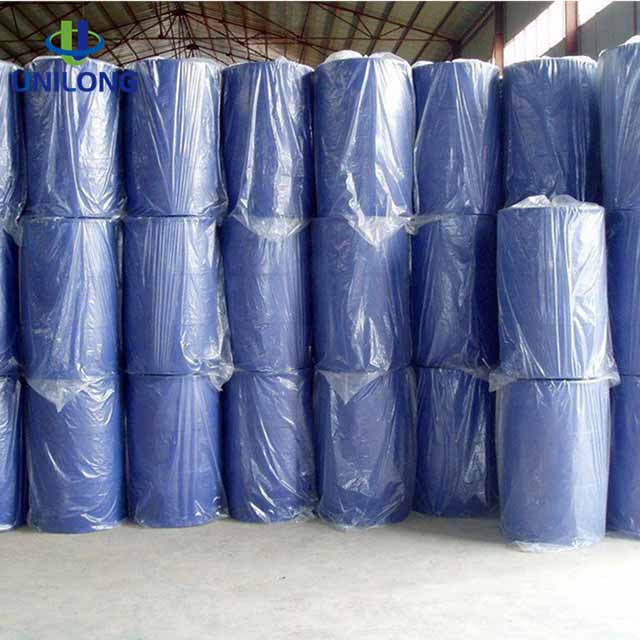
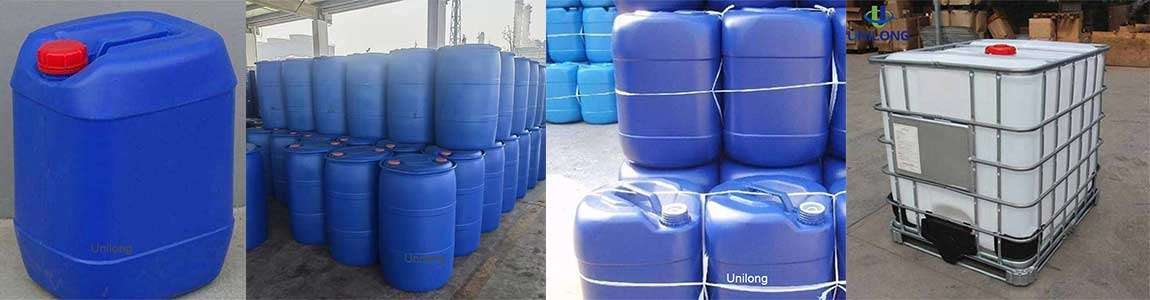
Packaging, storage and transportation: PEG200, 400, 600, 800, 1000, 1500, 2000 and 3000 are packed in 200kg iron drums or 50kg plastic drums; PEG-4000, 6000 and 8000 are packed in 20Kg woven bags after being sliced. This series of products is non-toxic and non-flammable and should be stored and transported as general chemicals. Store in a dry and ventilated place. Shelf life two years